


Squid is much more than the rubbery rings you find in the frozen aisle at the supermarket. In this article, you’ll get a practical guide to selecting, cleaning, and cooking Danish squid for a tender and flavourful result. With just a few simple techniques, squid can be used in everything from tapas and stir-fries to homemade calamari rings.
What Are Shellfish?

“Shellfish” is a culinary term for edible invertebrates with external shells. It includes both crustaceans and molluscs, even though the term doesn’t reflect any zoological classification or kinship.
Crustaceans
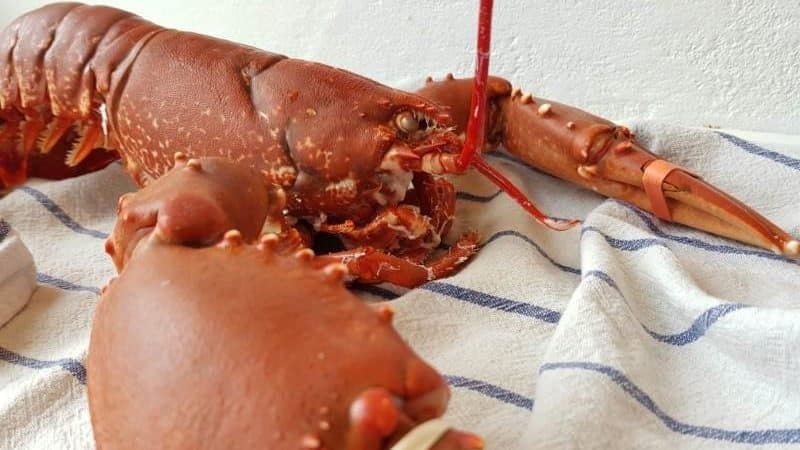
Crustaceans include various crabs (such as brown crab, spider crab, and shore crab), freshwater crayfish, Norway lobster, European lobster, langoustine, and many species of shrimp from both salt and freshwater.
Molluscs
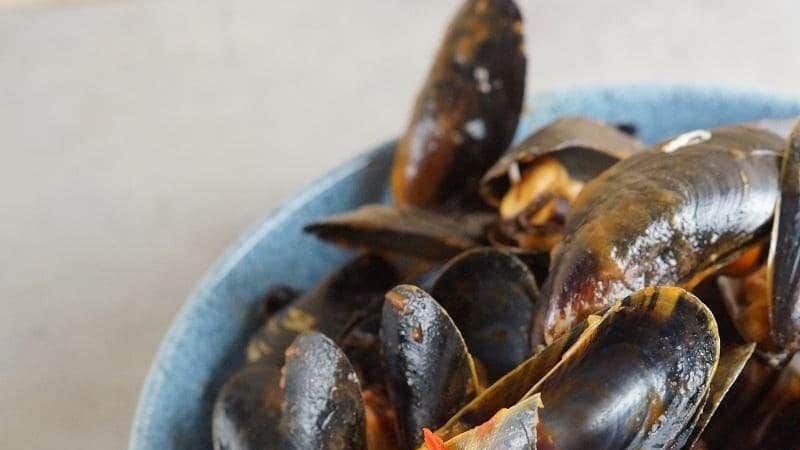
Molluscs include snails, mussels, oysters, and squid. Squid can be categorised into:
- Ten-armed squid (e.g. Loligo)
- Eight-armed squid (Octopus)
- Bottom-dwelling cuttlefish (Sepia species)
Why Supermarket Calamari Rings Often Disappoint
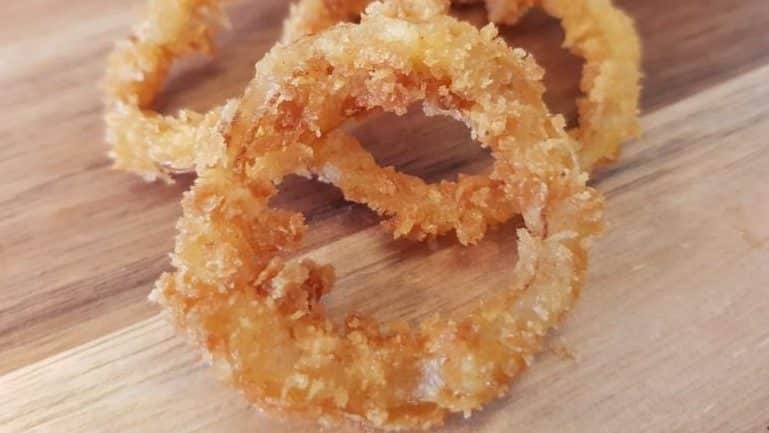
Loligo is likely the most familiar squid to Danes, commonly sold as highly processed breaded rings in the freezer section. Many people find these rings rubbery – partly because they’re sliced across the grain (the mantle is structurally stronger across the body due to its jet propulsion system), and partly because they are often overcooked in hot oil.
Buy Whole Squid and Prepare It Yourself
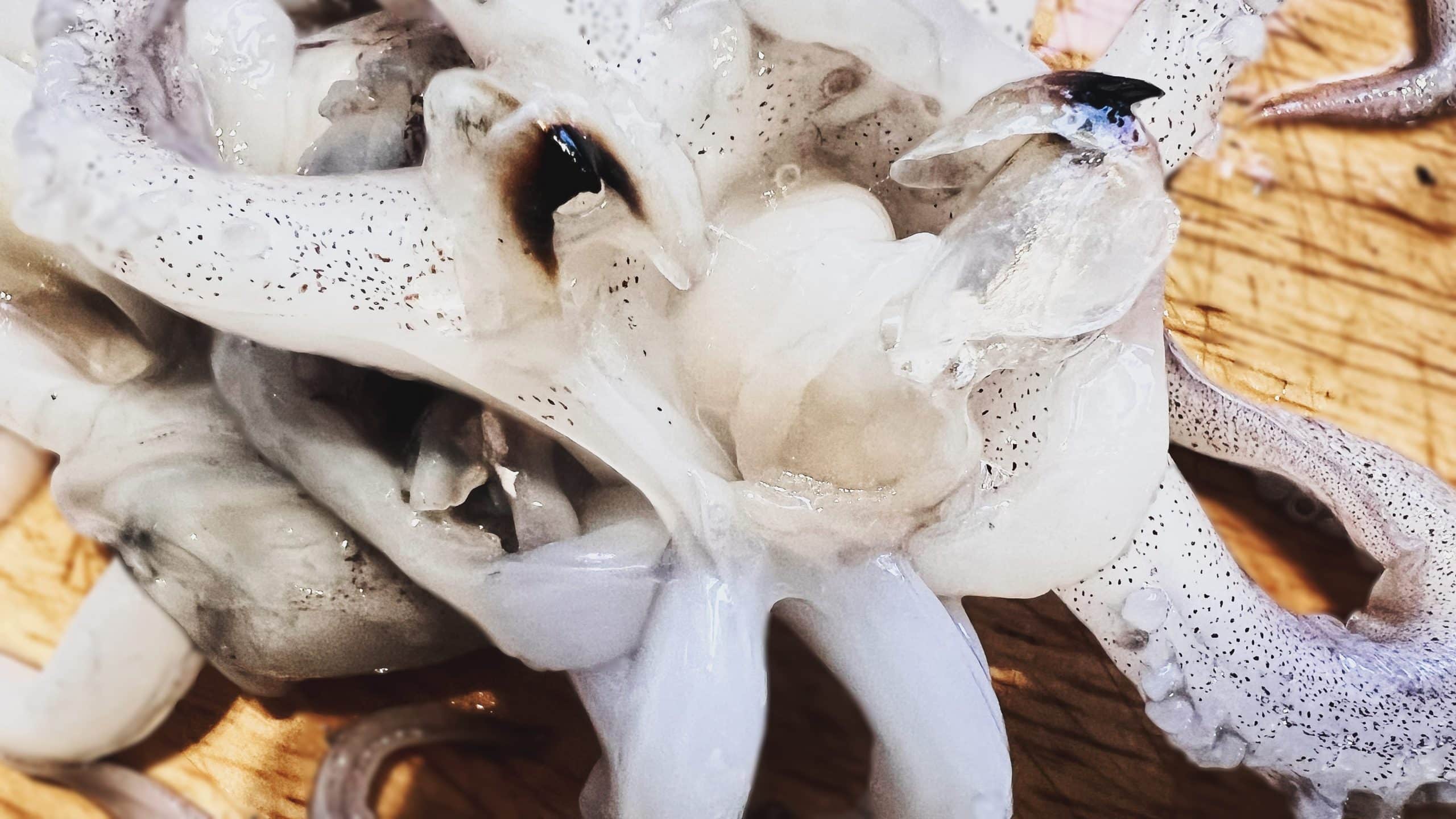
Instead, buy whole squid and clean them yourself – it’s not as difficult as you might think:
- Cut out the eye section with two incisions and discard it.
- Remove the ink sac and stomach from the body, and gently pull off the fins by hand.
- At the base of the arms, you’ll find two small beaks – these can be removed with a sharp knife.
Using the Squid Mantle in Cooking

The mantle (the main body) can be prepared in different ways:
- Cut into rings for homemade calamari
- Slice lengthwise into strips for stir-fries or pasta
- Score into a crosshatch pattern to make small squares (don’t cut all the way through)
Cooking Time and Serving Suggestions

The mantle should only be cooked very briefly – 2 to 3 minutes max – to stay tender with a pleasant bite. The strips work well in Italian-inspired dishes like spaghetti marinara, or marinated as tapas with garlic and olive oil. The scored squares curl up into fun barrel shapes in stir-fries.
Cooking the Fins and Tentacles
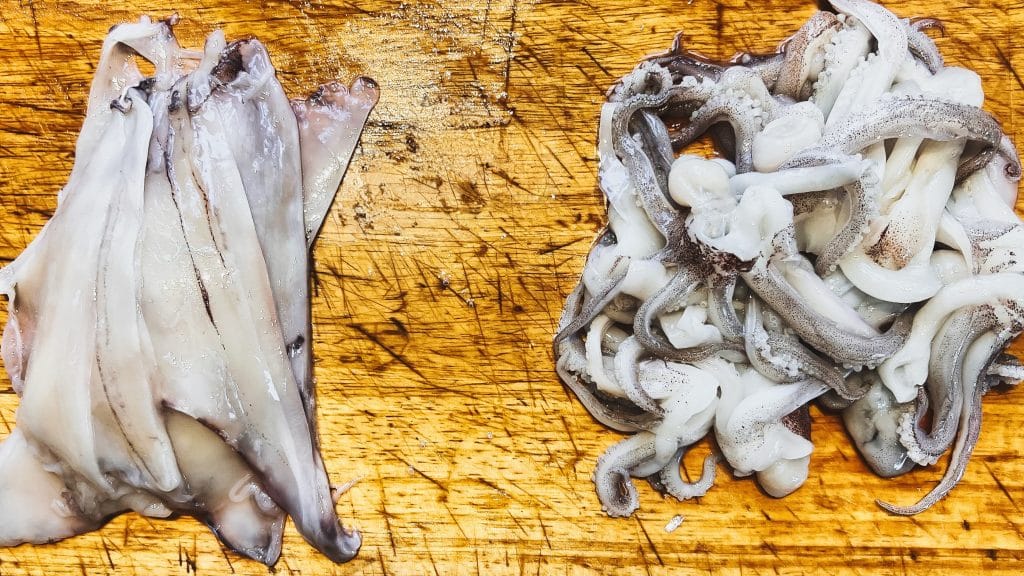
The fins and tentacles need much longer cooking (more than 45 minutes) to avoid becoming chewy. These cuts are excellent in tapas dishes with garlic and olive oil, or added to a mixed seafood dish