


Frozen vegetables aren’t just convenient. Many of them are loaded with inflammation-fighting nutrients that can support gut health, immunity, and long-term disease prevention.
According to dietitians and research-backed sources, these freezer staples are just as nutritious as fresh and make it easier to eat well every day.
1. Mushrooms
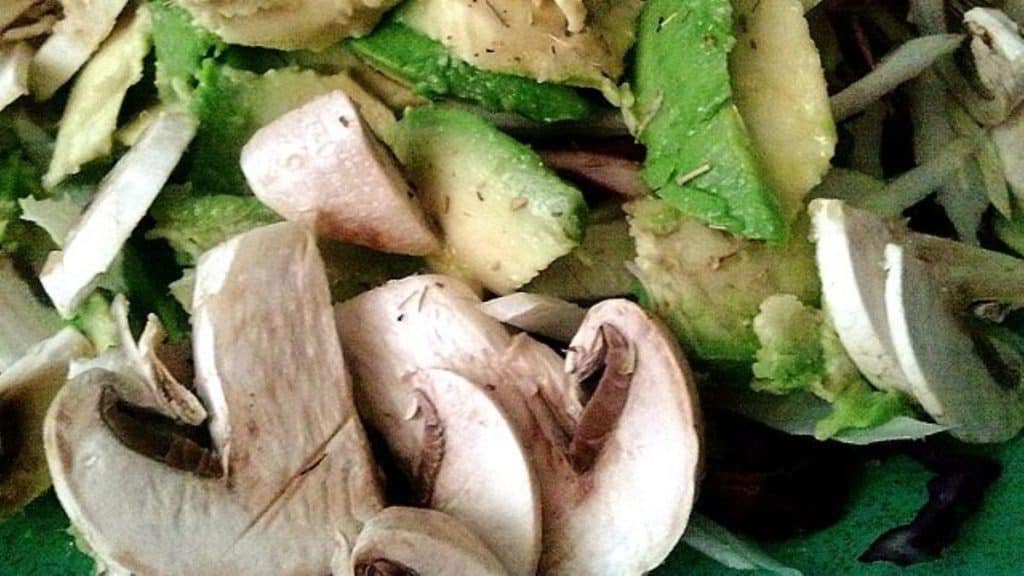
Frozen mushrooms are a great source of beta-glucans and phenolic compounds that help reduce inflammation and support immune function says MDPI Nutrients. They’re easy to toss into stir-fries, pasta, or soups.
2. Kale and collard greens
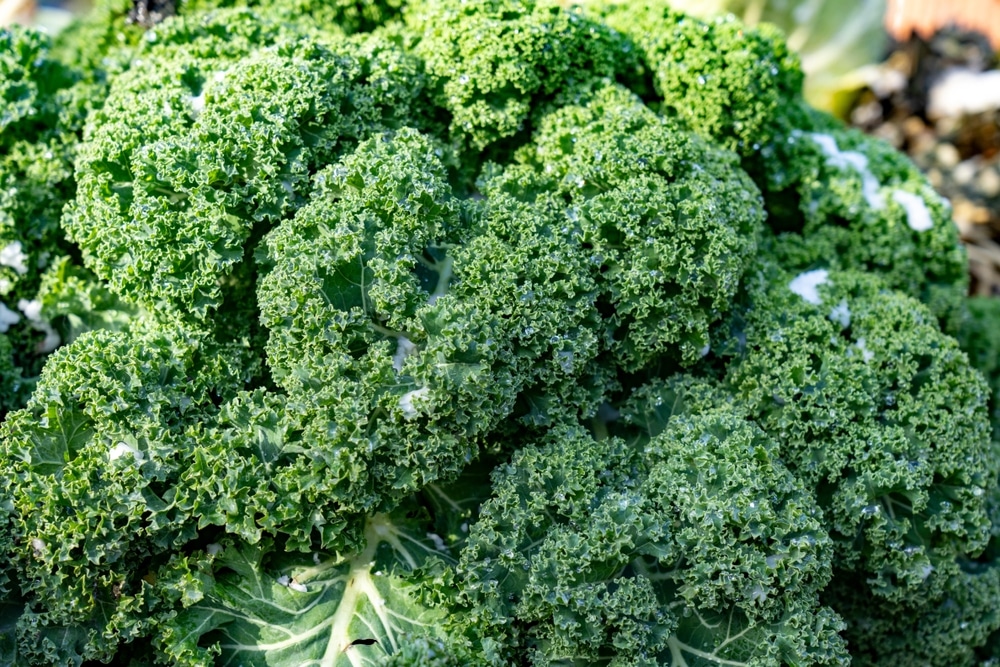
According to EatingWell, these leafy greens retain their nutritional value even after freezing. Rich in polyphenols and fiber, they help reduce inflammation and support vascular health.
They also hold their texture well when cooked.
3. Broccoli and cauliflower blend

Both cruciferous vegetables are packed with sulforaphane, an anti-inflammatory compound shown to reduce oxidative stress, especially helpful for heart and metabolic health.
4. Spinach
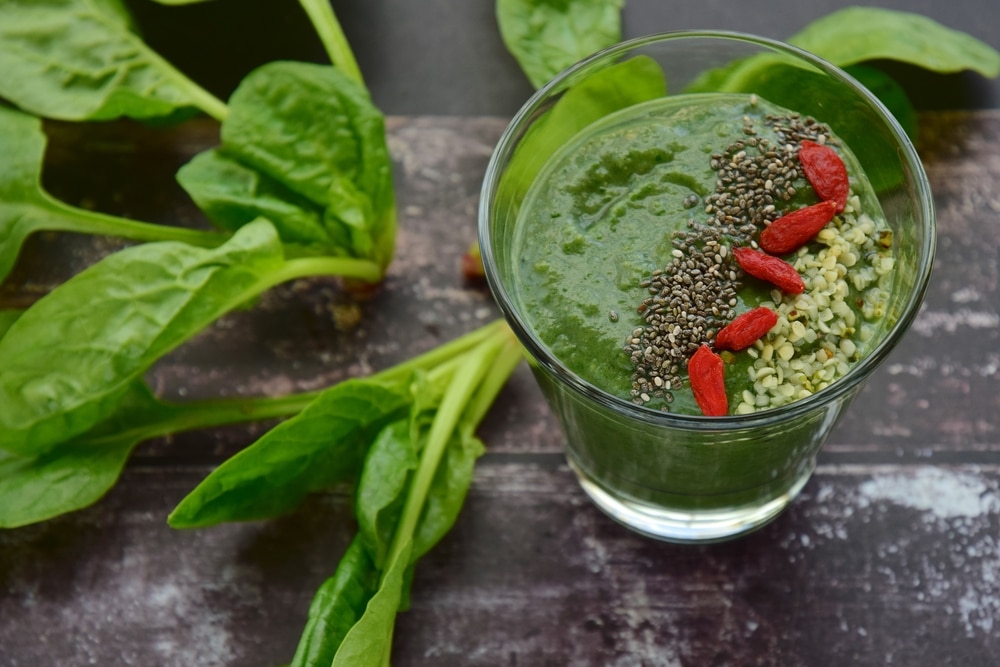
Frozen spinach maintains its fiber, antioxidants, and anti-inflammatory polyphenols says Eat This, Not That. It’s an easy add-in for soups, smoothies, or pasta.
5. Green beans

Often underrated, green beans are rich in vitamin C and plant compounds like flavonoids and carotenoids that help reduce cellular inflammation.
6. Frozen vegetable medley
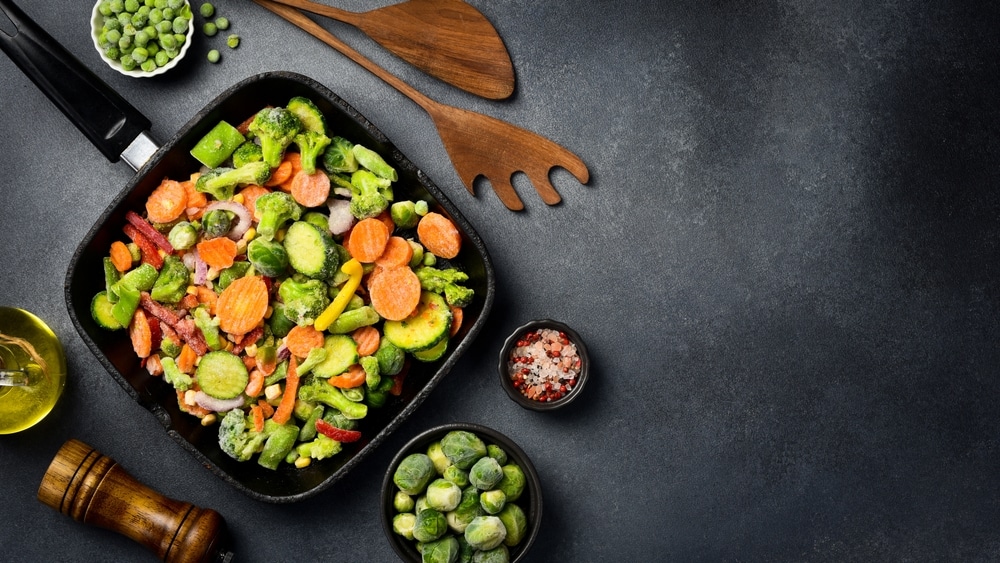
These blends often include carrots, peas, green beans, and corn, all high in fiber, antioxidants, and phytonutrients that reduce inflammation and support immune function.
7. Bell pepper and onion blend

This mix delivers a double hit of quercetin and vitamin C. Bell peppers and onions both contain compounds linked to reduced chronic inflammation and lower disease risk.
8. Brussels sprouts
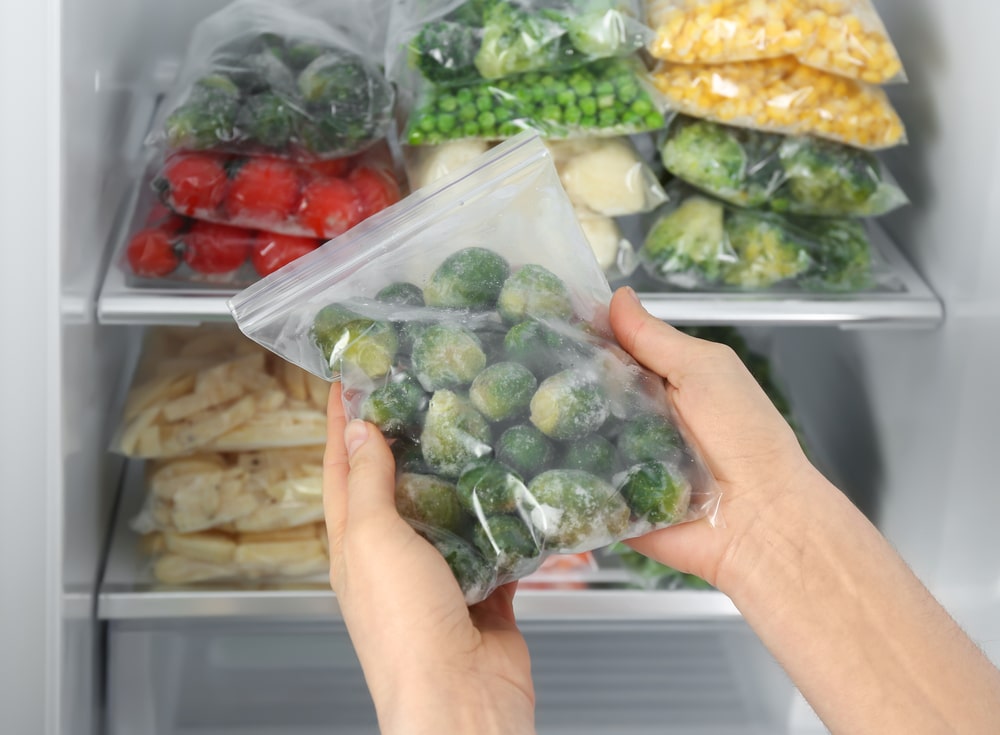
Frozen Brussels sprouts are a great source of kaempferol, an antioxidant with proven anti-inflammatory effects. They’re also high in fiber and vitamin K.
9. Carrots

Carrots provide beta-carotene, which helps neutralize free radicals and lower oxidative stress says Real Simple. They’re easy to use frozen in soups, stews, or roasted dishes.
10. Sweet potatoes

These colorful tubers are packed with vitamins A and C, both known to lower inflammation. Their resistant starch also feeds gut bacteria that help regulate immune response.
11. Peppers (varied colors)
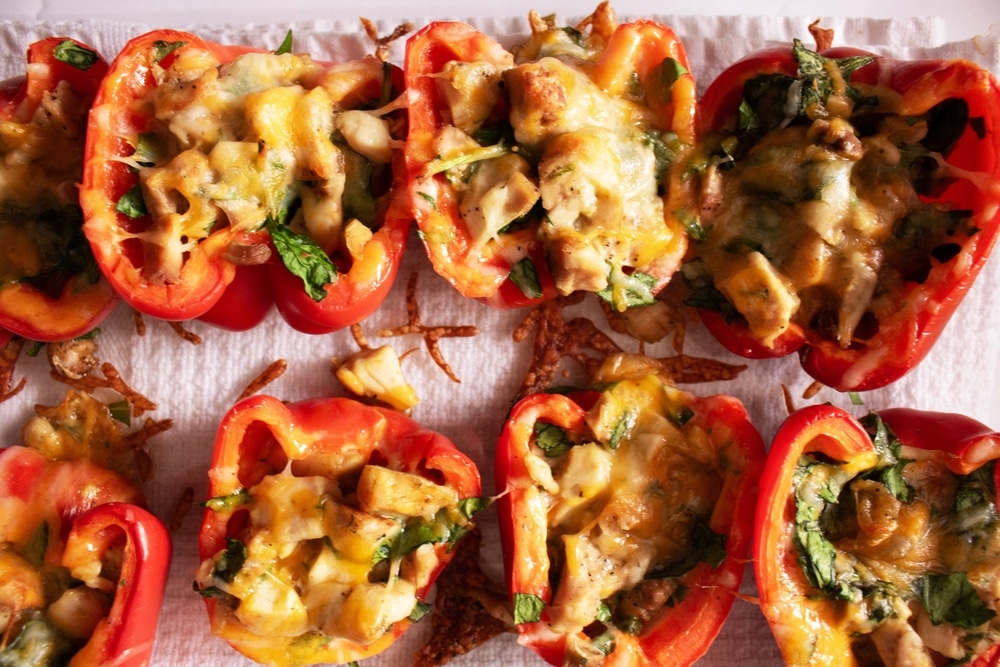
Frozen red, yellow, and orange peppers are rich in carotenoids like beta-cryptoxanthin, which research links to reduced inflammation and improved cellular health.
12. Edamame
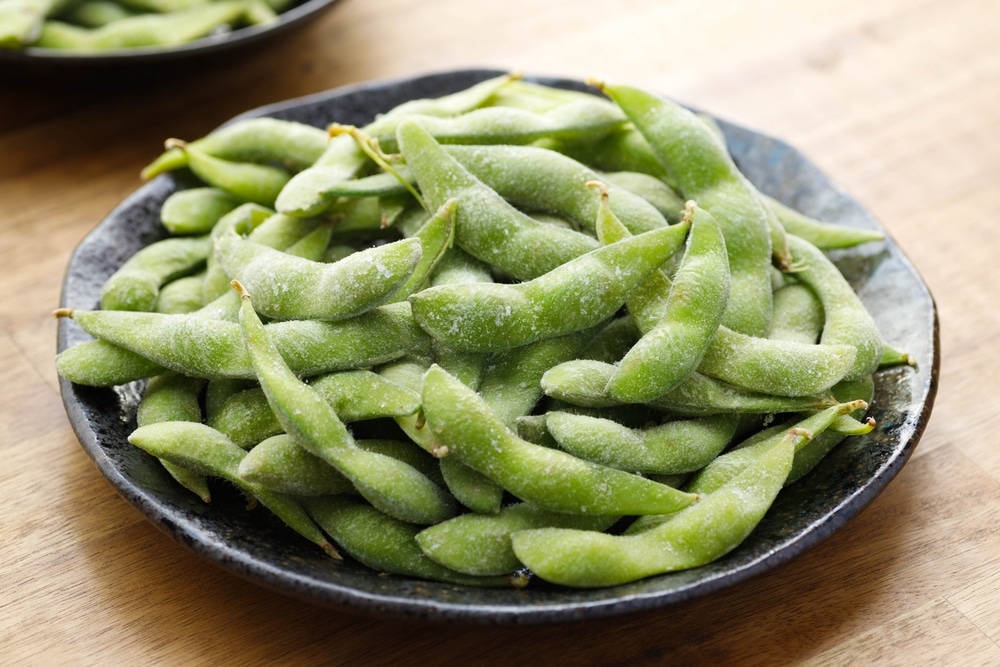
A great source of plant-based protein and fiber, edamame contains isoflavones and other compounds that support gut health and reduce chronic inflammation.