


Matcha isn’t just trendy. It’s a centuries-old Japanese tea with real health benefits. Unlike regular green tea, matcha is made from finely ground whole leaves, giving it a vibrant color and a serious nutrient edge.
It’s packed with antioxidants, amino acids, and a unique form of calm energy. And it’s got a long history.
What Exactly Is Matcha?
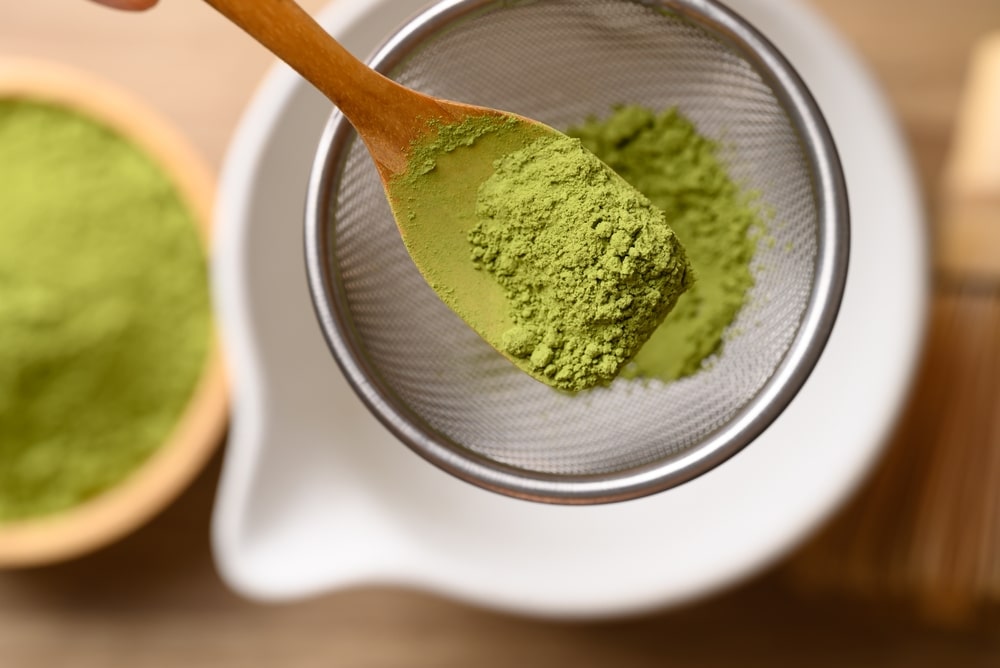
Matcha is made by grinding shade-grown tea leaves (tencha) into a fine, bright green powder. This process boosts chlorophyll, giving matcha its signature color and nutrient punch.
Samurai warriors used to drink matcha before battle to boost their focus and calm their nerves thanks to its unique combo of caffeine and L-theanine.
A Tea with Deep Roots in Japanese Tradition
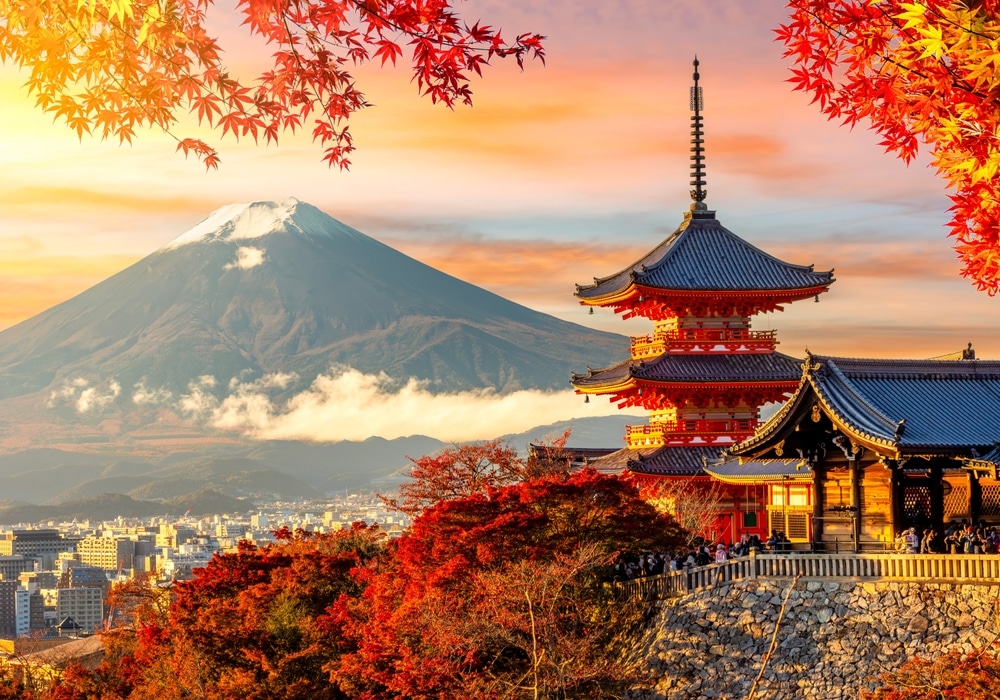
Matcha has been a part of Japanese culture for over 800 years. According to Matcha Note, it was originally introduced from China during the Tang Dynasty, but Japan made it its own.
Zen Buddhist monks used matcha to stay alert during long meditation sessions, and it later became central to the Japanese tea ceremony; a meditative ritual steeped in precision and harmony.
From Samurai to Tea Ceremony
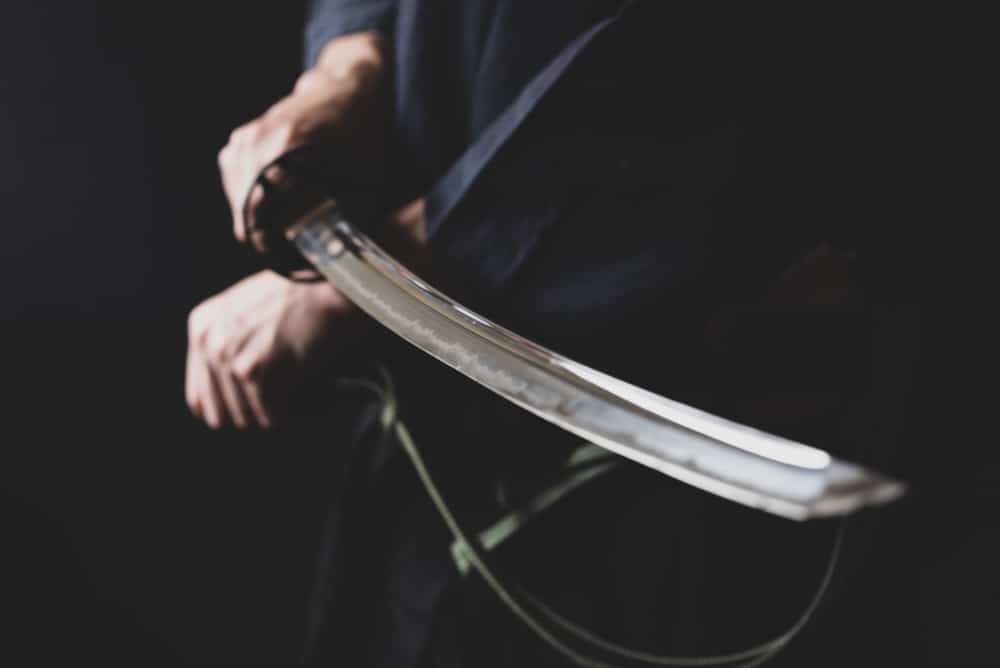
By the 12th century, matcha had become the tea of choice among samurai and scholars. Its calming yet energizing effects were ideal for both battle preparation and philosophical reflection.
Over time, matcha evolved into a symbol of mindfulness and refinement in Japanese culture, especially within the art of chanoyu, the traditional tea ceremony.
Mind the Add-Ins and Caffeine

Plain matcha is low in calories, but it’s easy to turn a healthy drink into a sugary treat. Matcha lattes with milk and sweeteners can add up fast.
And like any caffeinated drink, too much matcha may lead to restlessness or interfere with sleep. Stick to moderate servings, about one to two cups a day.
The Taste: Earthy, Fresh, Slightly Sweet
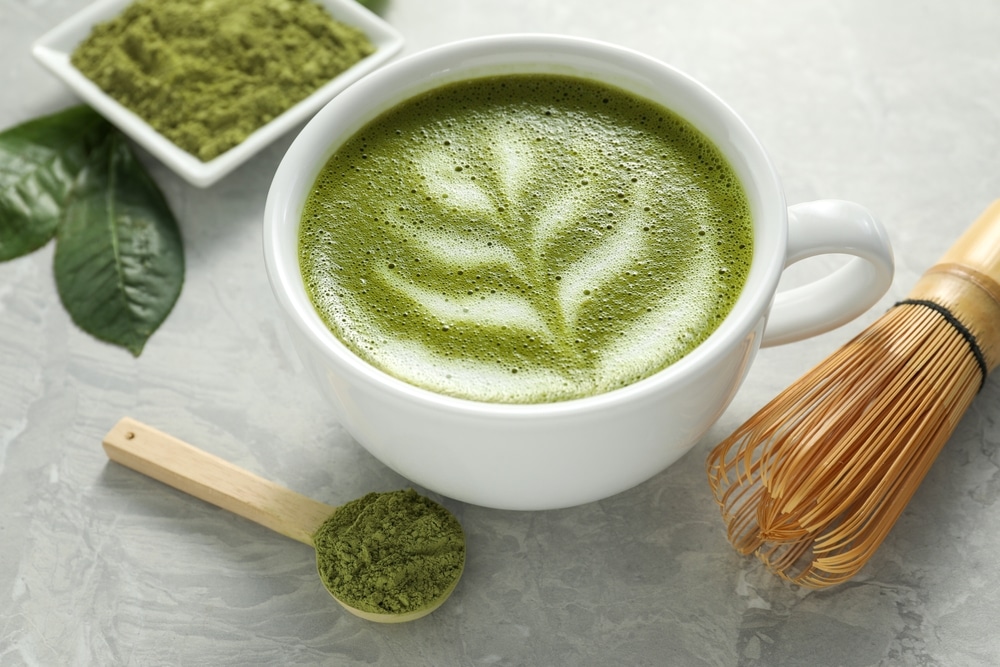
Matcha has a distinct flavor; earthy, grassy, and subtly sweet. It can be an acquired taste, especially in pure form. Many enjoy it whisked with hot water, while others prefer it in smoothies or baked goods.
Not Just for Drinking

Beyond tea, matcha is used in everything from ice cream and smoothies to baked treats and skincare products. Its vibrant color and health appeal have made it a favorite across the wellness world.
A Global Green Obsession

Today, matcha is a worldwide wellness trend. From Tokyo cafés to New York smoothie bars and Australian brunch spots, this vibrant powder has gone global.
Popular in the U.S., UK, Australia, and beyond, matcha is loved for its health benefits, Instagram-worthy color, and versatility in drinks, desserts, and even skincare.
The Verdict: A Superfood Worth Sipping
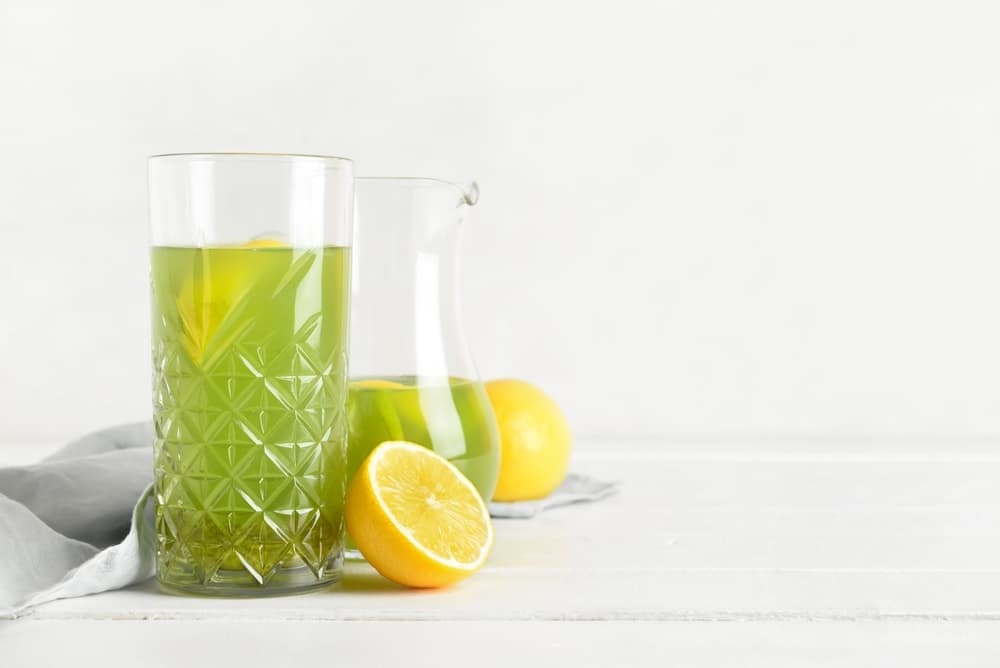
Whether you’re after better focus, immune support, or a nutrient boost, matcha is a versatile and healthful choice. With its balance of calm energy and antioxidant power, it earns its reputation as a superfood.
A Fun Matcha Recipe to Try

Want to enjoy matcha beyond the standard latte? Try this Iced Matcha Citrus Spritzer, a refreshing, lightly sparkling drink that’s as energizing as it is Instagram-worthy.
You’ll need:
- 1 teaspoon matcha powder
- 2 ounces hot (not boiling) water
- 1 teaspoon honey or agave (optional)
- ½ cup fresh orange juice
- Sparkling water
- Ice cubes
- Orange slices or mint for garnish
How to make it:
- Whisk matcha powder with hot water until smooth and frothy.
- Stir in honey or agave if you like it a little sweet.
- Fill a tall glass with ice, then pour in the orange juice.
- Gently top with sparkling water, leaving room for the matcha.
- Slowly pour the whisked matcha over the top for a layered effect.
- Garnish with an orange slice or mint sprig, stir, and sip!
Result: a bubbly, citrusy pick-me-up with all the antioxidant benefits of matcha—perfect for summer afternoons.