


Matcha has become a symbol of modern wellness, praised for its antioxidants and calming properties.
But beneath its vibrant green surface, health experts are warning of potential risks tied to excessive consumption.
From impaired iron absorption to possible heavy metal exposure, the trendy tea may not be as harmless as it appears.
meet matcha: ancient tradition meets modern trend

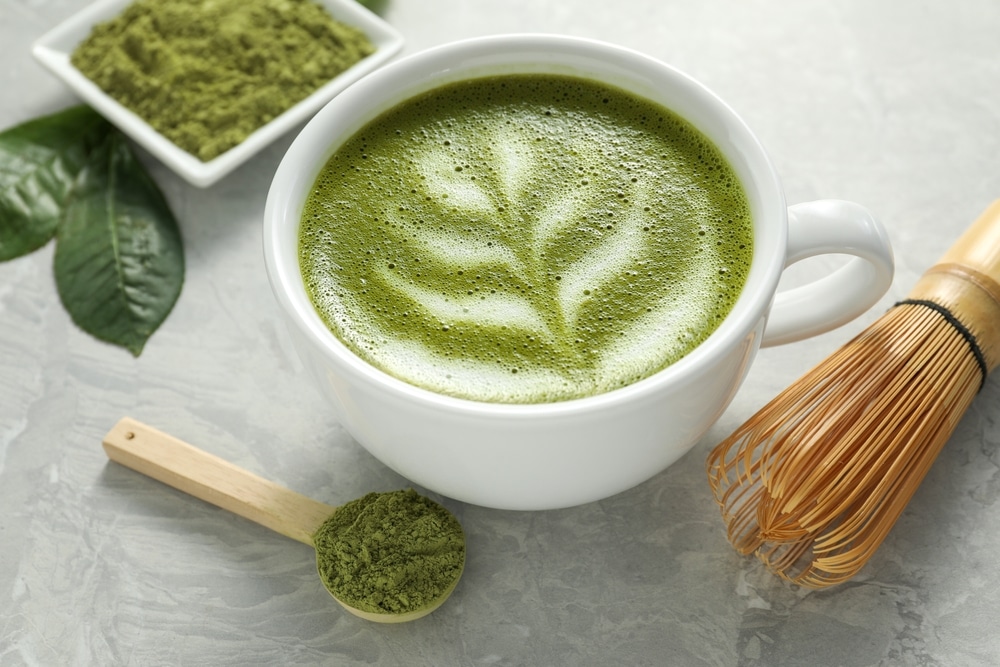
Matcha, a finely ground green tea from Japan, has been used for centuries in traditional ceremonies. Recently, it’s taken over social media as a so-called superdrink, with influencers praising its calming buzz and vibrant color.
But while it may look like wellness in a cup, there’s more to the story behind this viral favorite.
when health hype leads to hospital visits

Despite its wholesome reputation, some matcha fans have according to Tag24 reported serious side effects like iron deficiency severe enough to require hospital treatment.
The green powder that many treat as a daily ritual could, in excess, interfere with nutrient absorption in the body.
the hidden issue: matcha and iron deficiency
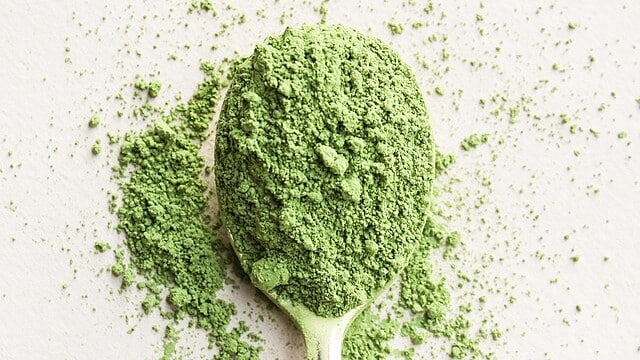
Matcha, like many teas, is rich in tannins and catechins which are compounds with antioxidant benefits.
However, these same polyphenols can bind to dietary iron in the gut, blocking your body from absorbing it effectively.
Over time, this can quietly deplete iron stores, especially in those already at risk.
aluminium and contamination concerns
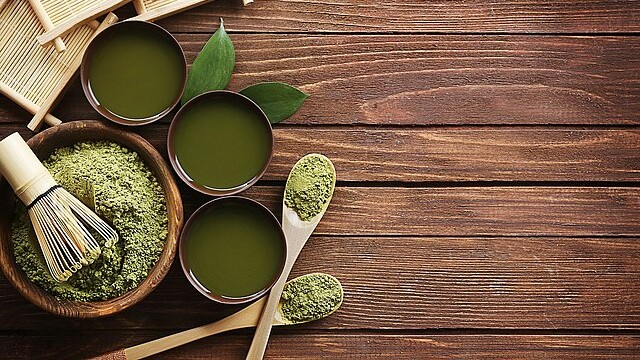
Because matcha involves consuming the entire tea leaf, any contaminants in the plant, like aluminium, end up in your cup.
Some soils used for tea cultivation contain high levels of heavy metals. Over time, regular consumption could lead to harmful buildup, particularly in sensitive groups like pregnant people.
moderation is everything

Experts recommend limiting matcha intake to around 3 grams per day. That’s roughly one teaspoon, enough for a single latte.
Exceeding this amount regularly can raise the risk of iron deficiency or heavy metal exposure, especially if you’re drinking it multiple times a day says Health.
matcha production can’t keep up
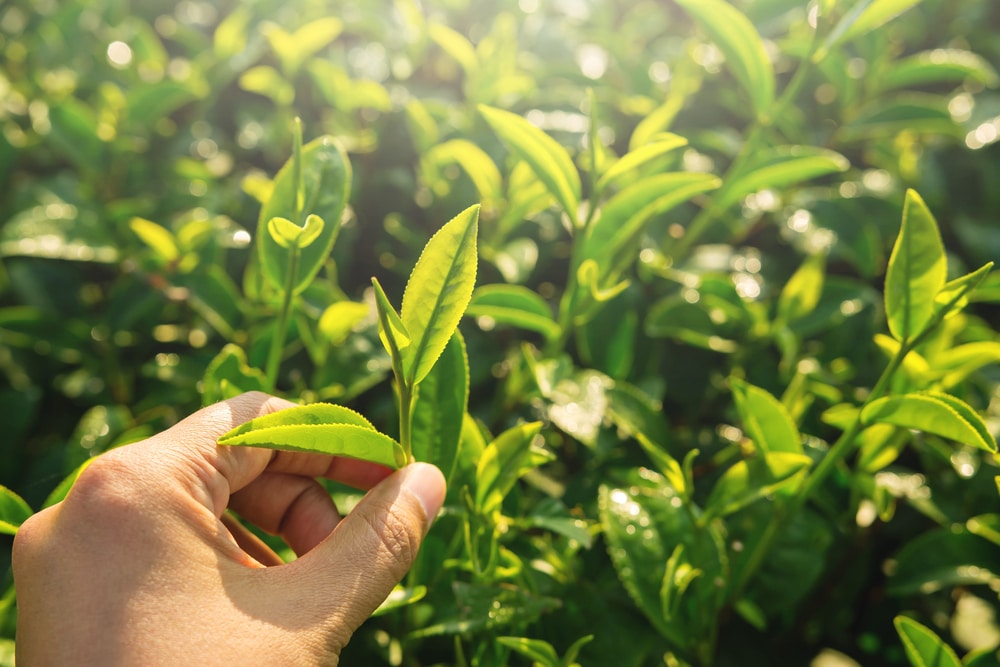
It takes five years for a matcha plant to mature, and leaves are harvested only once a year. As demand soars worldwide, the supply chain is struggling.
Many tea farms in Japan are family-run, and younger generations aren’t stepping in to continue the work, leading to closures.
health claims under the microscope
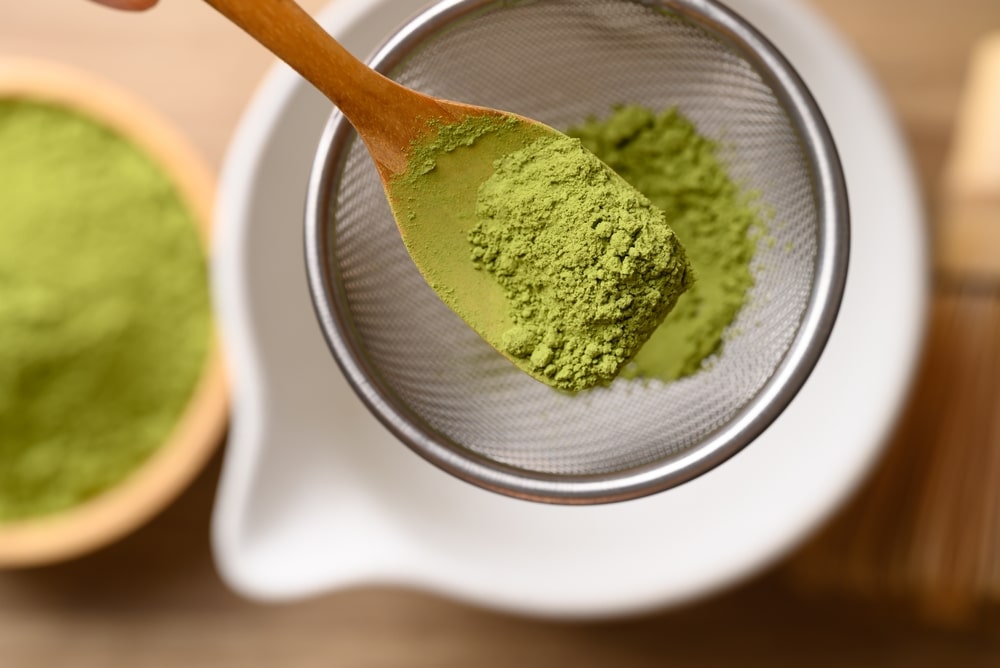
Matcha is often promoted as protective against cancer, Alzheimer’s, and chronic inflammation. While some animal studies and small-scale research suggest benefits, large-scale clinical trials are lacking.
The truth? Many of these wellness claims simply aren’t proven yet.
balancing matcha with your meals

If you love matcha, you don’t have to give it up. But timing matters. Drinking matcha between meals instead of with food can reduce its iron-blocking effects.
Pair it with a varied diet and plenty of plant-based or animal-sourced iron to stay balanced.
is matcha safe for everyone?

Not necessarily. People with low iron, those who are pregnant, or anyone sensitive to heavy metals should approach matcha with caution.
It’s not dangerous in small doses, but overuse can tip the scales, especially if it replaces more nutrient-dense beverages.
enjoy the ritual without overdoing it

The appeal of matcha goes beyond its health halo. It’s a comforting ritual, a break in the day, and a way to slow down.
Enjoying it mindfully, and in moderation, allows you to reap its benefits without risking your health.
what’s the real verdict on matcha?
Matcha isn’t a miracle drink but it’s not a villain either. It’s a concentrated plant product with both positives and potential drawbacks.
As with any trend, the key is awareness. If you’re sipping it smartly and listening to your body, it can still be a nourishing part of your routine.