
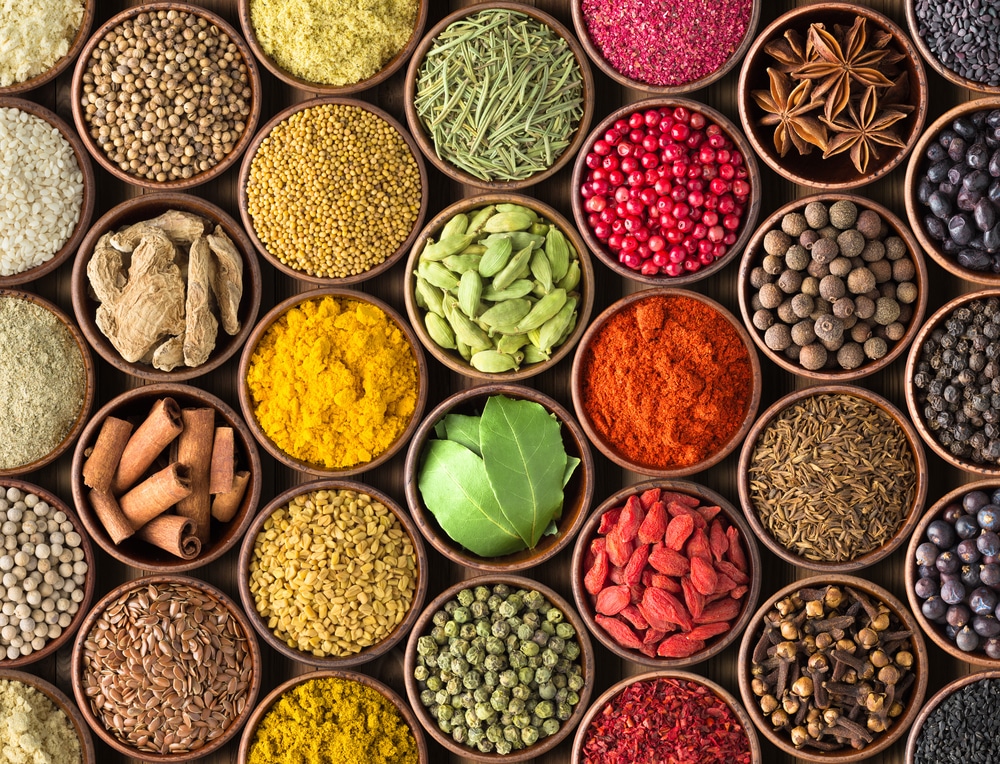

From ancient empires to Michelin-starred kitchens, spices have long been symbols of power, luxury, and desire. These golden ingredients are so valuable that wars were fought over them and even today, they can cost more than precious metals.
Here are 12 of the world’s most expensive spices and the stories behind their staggering price tags.
1. Saffron – The Red Gold of Persia

At up to $10,000 per kilo, saffron tops every list. Each thread is handpicked from the crocus flower, with around 75,000 blooms needed for a single pound.
Its deep color and honey-like aroma make it a luxury in paella, risotto, and even tea.
2. Vanilla – A Labor of Love

Natural vanilla is second only to saffron in price. Each orchid flower must be pollinated by hand, and the curing process takes months. Its warm, sweet scent has become the world’s favorite flavor and one of its most precious.
3. Cardamom – The Queen of Spices

This fragrant pod is prized in both savory curries and desserts. Grown mainly in India and Guatemala, it’s costly because it’s harvested by hand and delicate to dry. A little pinch delivers royal flavor and aroma.
4. Clove – The Tiny Spice with Mighty Value

Cloves were once worth their weight in gold during the spice trade. Their intense, sweet-spicy punch and natural oils still make them a luxury in perfumes and holiday cooking.
5. Cinnamon – The Ancient Sweet Treasure

The finest Ceylon cinnamon is far pricier than common cassia. Its delicate bark is shaved by skilled hands and valued for its light, floral sweetness making it a staple in luxury baking.
6. Long Pepper – The Forgotten Heat

Before chilies reached Europe, long pepper was the original fiery spice. Once a symbol of wealth in ancient Rome, it’s making a comeback in gourmet kitchens for its earthy, complex burn.
7. Star Anise – The Shining Star of the East

Beautiful and aromatic, this star-shaped spice adds licorice-like depth to sauces and desserts. It’s also key in making Tamiflu, adding to its rare pharmaceutical demand.
8. Nutmeg – A Once-Lethal Luxury

In the 1600s, wars were fought over nutmeg. Native to the Banda Islands, its warm, sweet aroma made it one of the most coveted (and bloodied) spices in history.
9. Mahlab – The Cherry Stone Secret
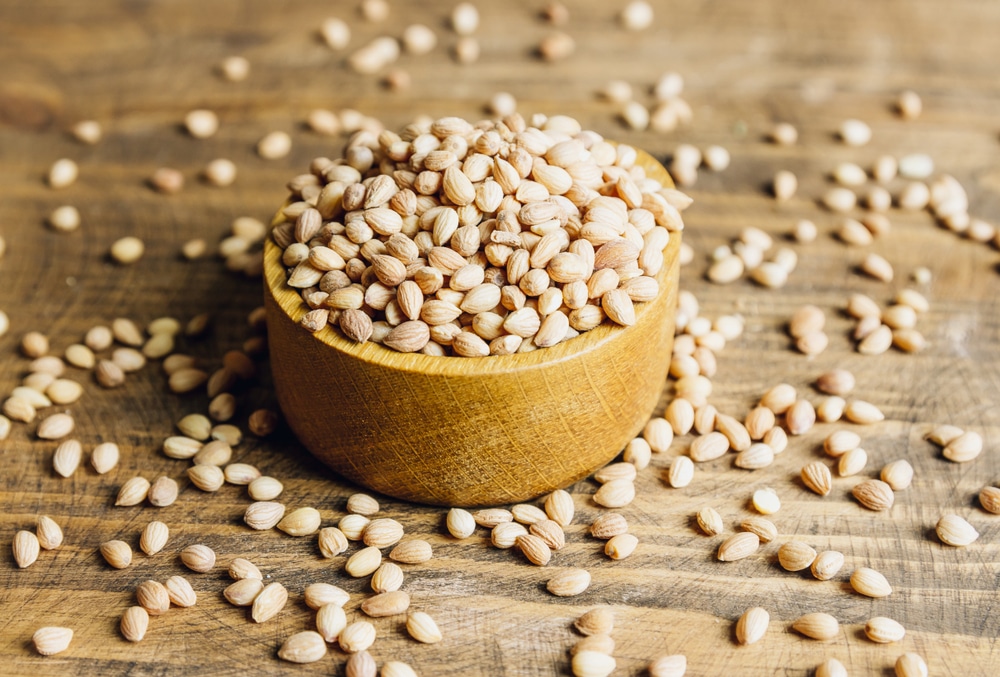
Ground from the seeds of a special cherry, mahlab gives Middle Eastern pastries their almond-vanilla perfume. Its limited harvests and niche demand keep prices high.
10. Black Cumin (Nigella) – The Blessed Seed
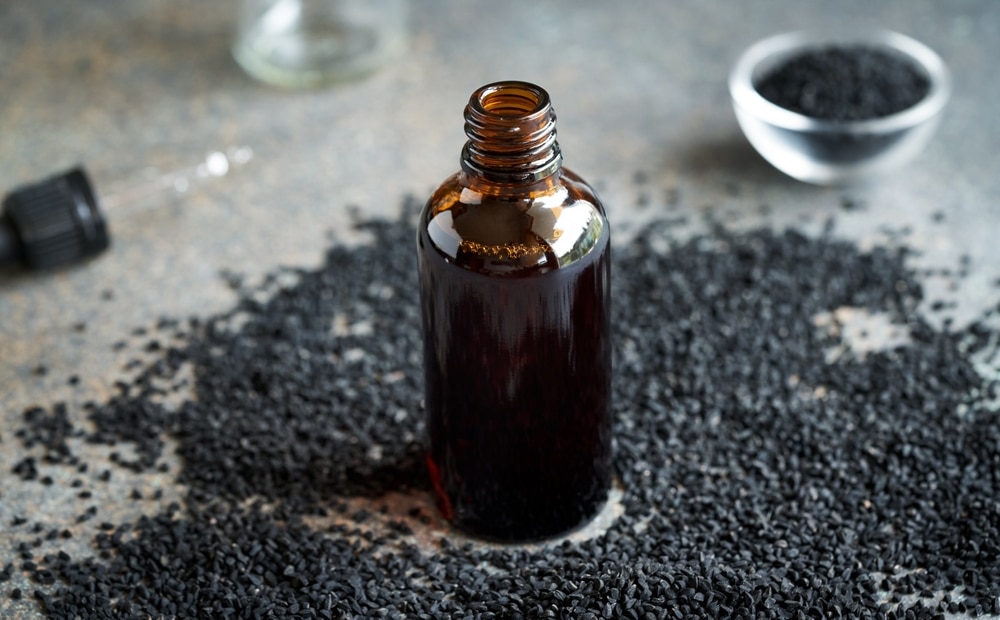
Often called “the seed of blessing,” black cumin’s rarity and medicinal use drive its price. Its nutty, peppery taste and ancient legacy make it a chef’s secret weapon.
11. Sumac – The Crimson Jewel

Made from dried berries, sumac adds a tart, lemony sparkle to Middle Eastern cuisine. Harvesting and grinding by hand make it a costly but worthy addition to any spice rack.
12. Grains of Paradise – Pepper’s Exotic Cousin
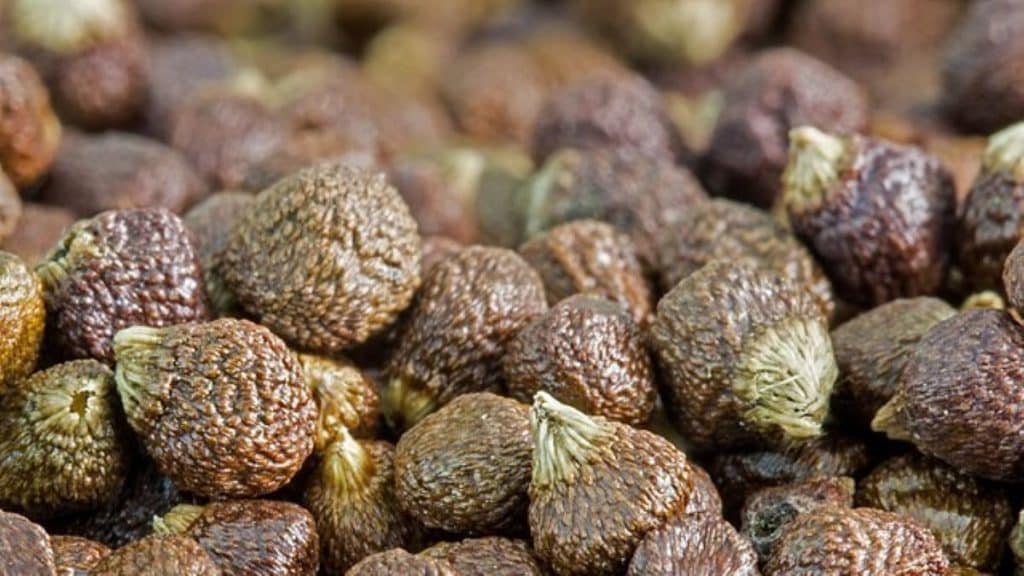
Native to West Africa, these small seeds taste like pepper with hints of citrus and cardamom. Once reserved for royal banquets, they’re now prized by chefs for their complex kick.