


Shrinkflation is the term used for when packages shrink but prices stay the same. It has quietly become one of the most frustrating grocery trends.
Companies use it to offset higher costs without raising price tags, but for consumers, it means paying more for less.
According to Kiplinger and a Purdue University report featured in Newsweek, most Americans have noticed the downsizing.
Here’s what you can do to fight back and which products are shrinking fastest.
1. Always Check Net Weight
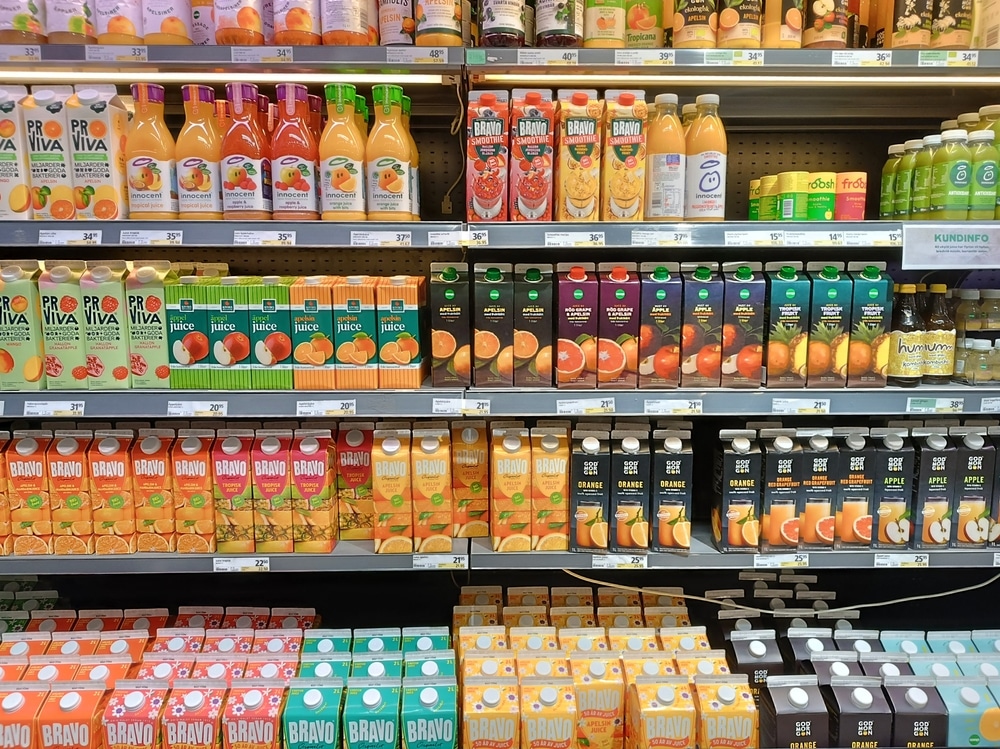
Kiplinger highlights that the first defense against shrinkflation is vigilance. Don’t just look at the price tag but take a look at the net weight on cereal boxes, juice cartons, or snack bags.
Packages can look identical while holding less food.
2. Learn to Read Unit Pricing

Newsweek reports that while 82% of shoppers check prices, fewer than half check unit prices. These shelf labels show cost per ounce or per pound, letting you compare apples to apples across brands. They’re the quickest way to spot hidden shrinkage.
3. Don’t Get Distracted by Package Design
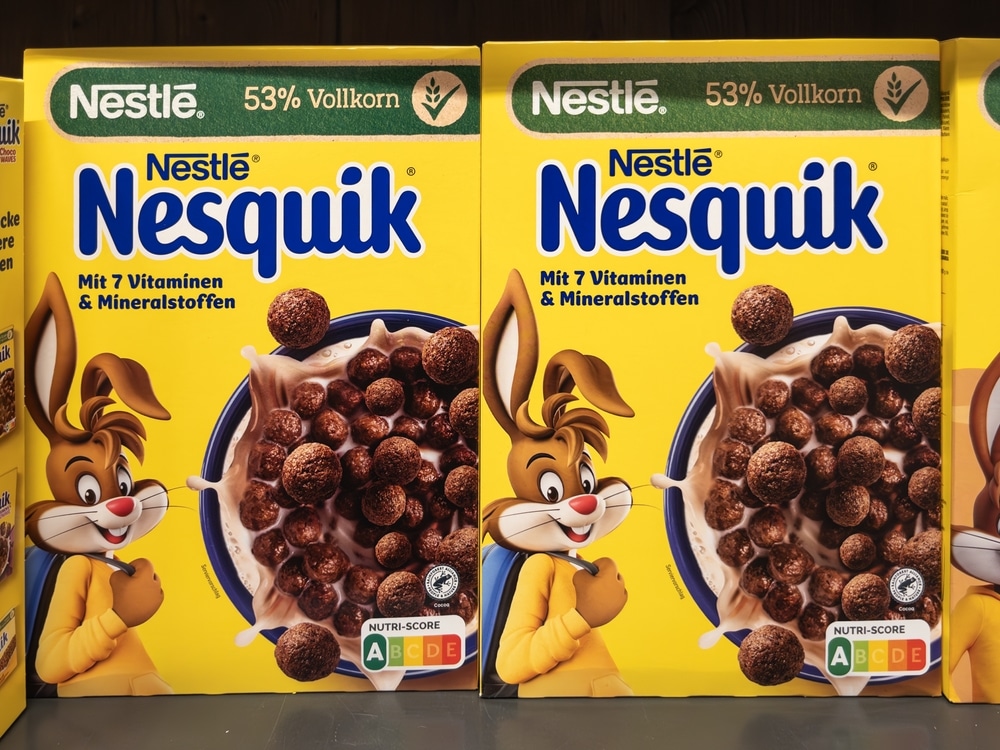
Manufacturers often redesign packaging to mask shrinkage. Taller, narrower boxes or puffed-up chip bags can disguise the smaller amount inside. Dworsky advises focusing on ounces, not the box.
4. Stock Up on Sales
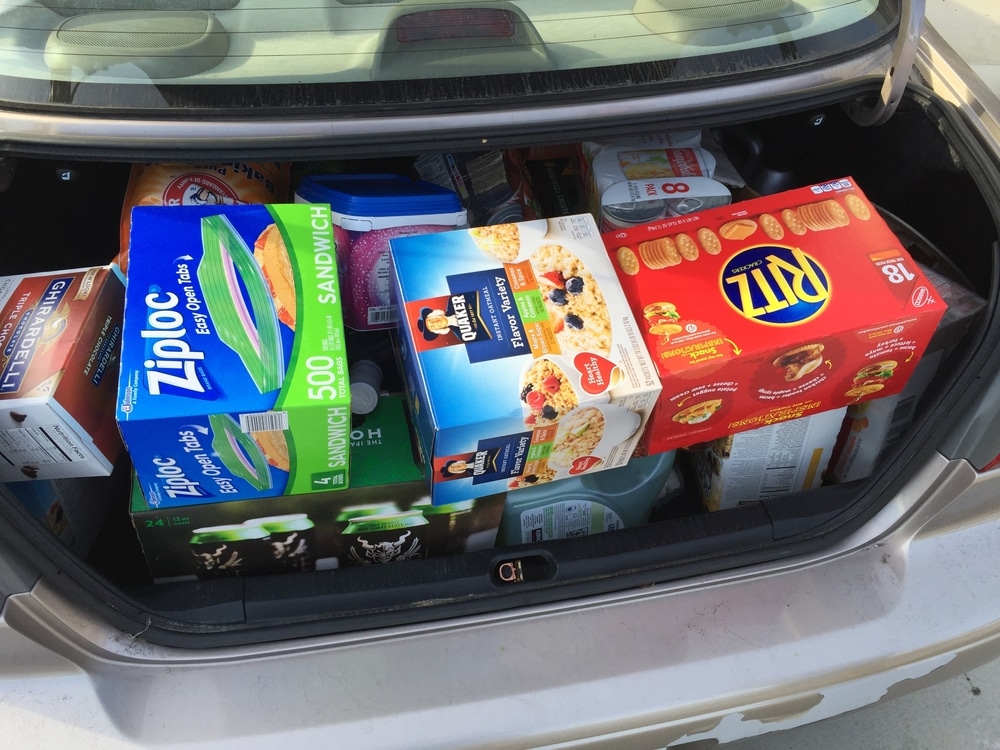
When nonperishable items like pasta, canned goods, or juice are on sale, Kiplinger recommends buying in bulk.
Why grab one carton if it’s at a rare low price? Stocking up now protects you from paying more later.
5. Coupons Still Work – If You Use Them Right

Digital coupons are a modern money-saver, but as Dworsky told Kiplinger, they’re often tricky for seniors or those less tech-savvy.
If that’s you, ask your supermarket’s customer service desk about workarounds.
6. Snack Foods: The Biggest Shrinkflation Victims
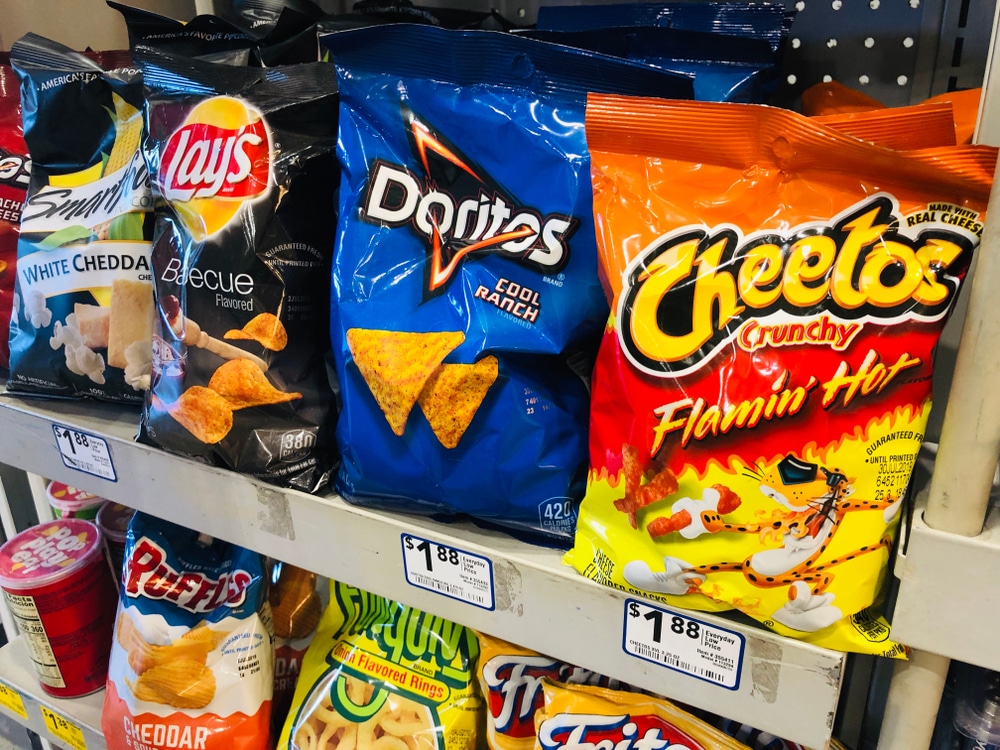
The Purdue survey found 78% of consumers noticed shrinkflation in snack foods. Potato chips, pretzels, and trail mix are prime offenders, shrinking bags with the same big price.
7. Desserts and Sweets Are Next
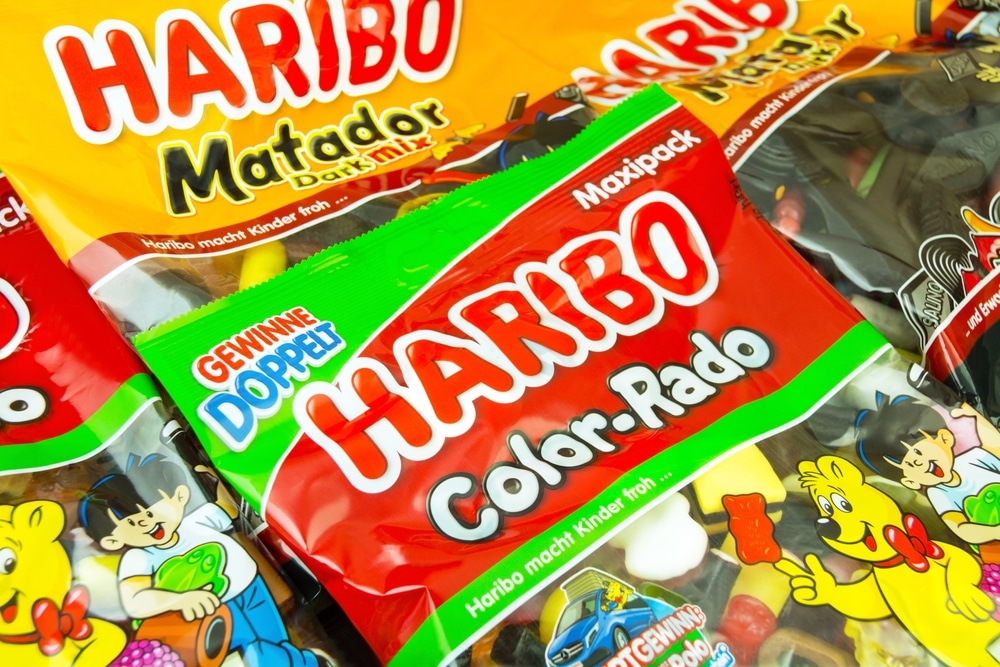
Packaged cookies, candy bars, and frozen desserts are another shrinkflation hotspot. According to Newsweek, 53% of shoppers noticed downsizing in sweets, making it one of the top categories to watch.
8. Frozen Foods Are Also Hit Hard
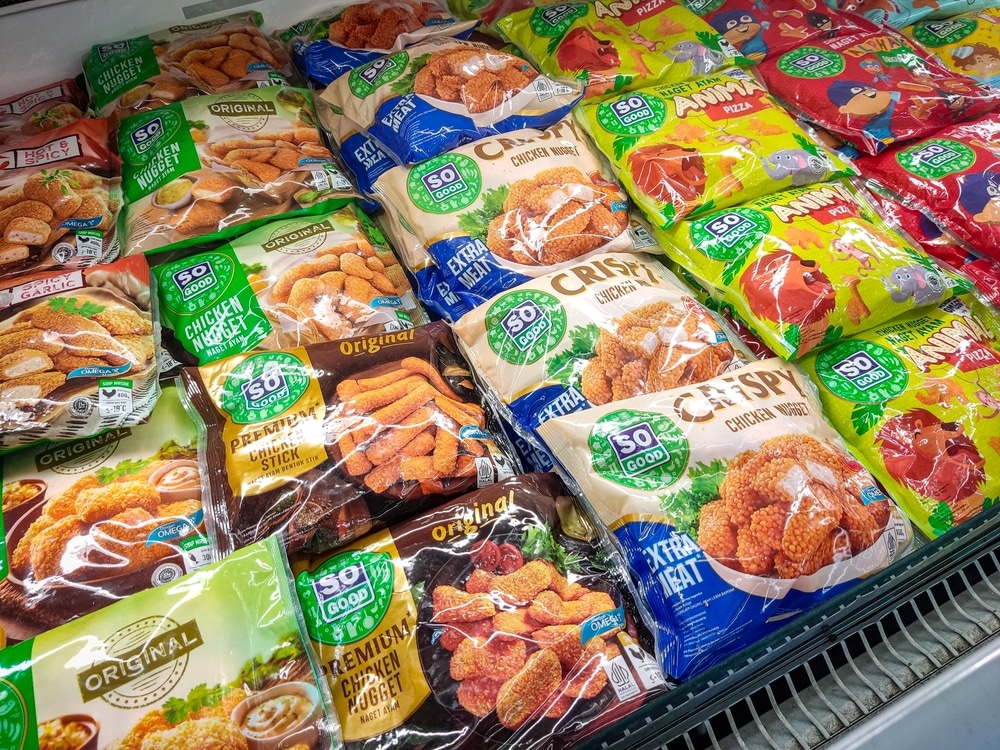
Nearly half of consumers surveyed pointed to shrinkflation in frozen products; pizza boxes, veggie bags, and ice cream tubs.
What looks like the same family-sized portion may actually serve fewer people.
9. Be Wary of Everyday Staples
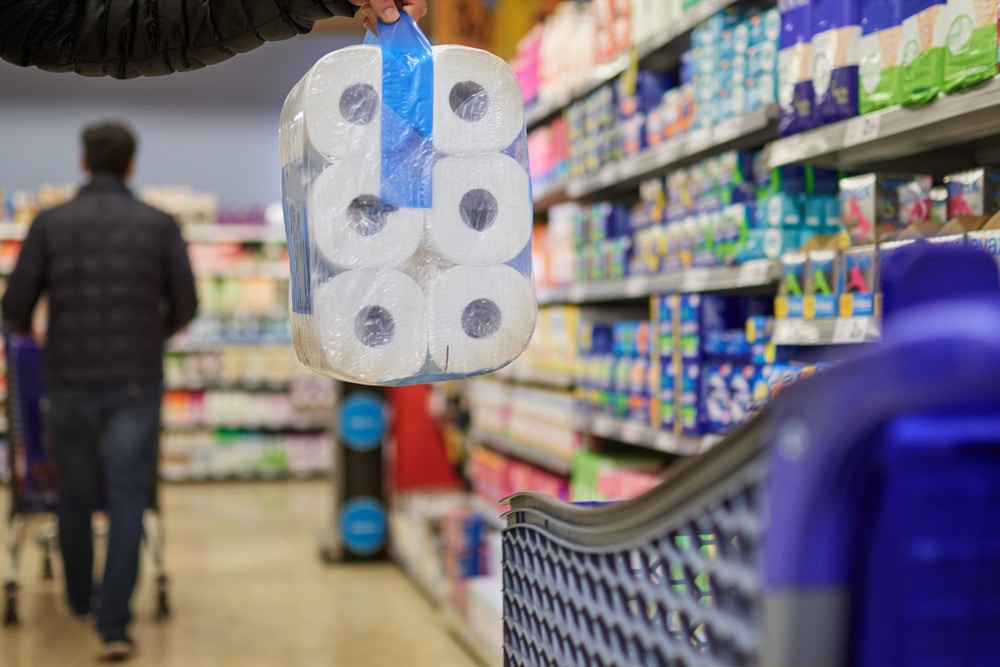
Shrinkflation isn’t limited to treats. Items like toilet paper, tissues, and orange juice have long been downsized in subtle ways.
As Dworsky explains, it’s easier for companies to shave off 10% of sheets or ounces than raise prices outright.
10. Know When to Switch Brands
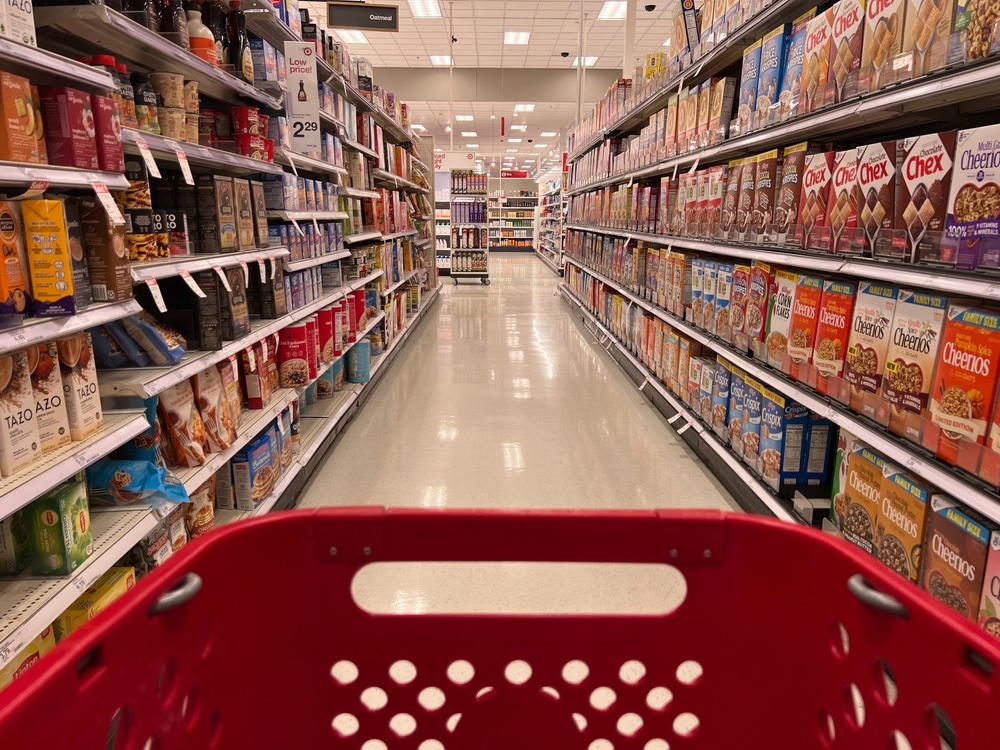
If you feel cheated, vote with your wallet. Kiplinger suggests trying store brands, which are often slower to shrink and still match national brands in quality.
Comparing labels can reveal a better deal hiding in plain sight.