
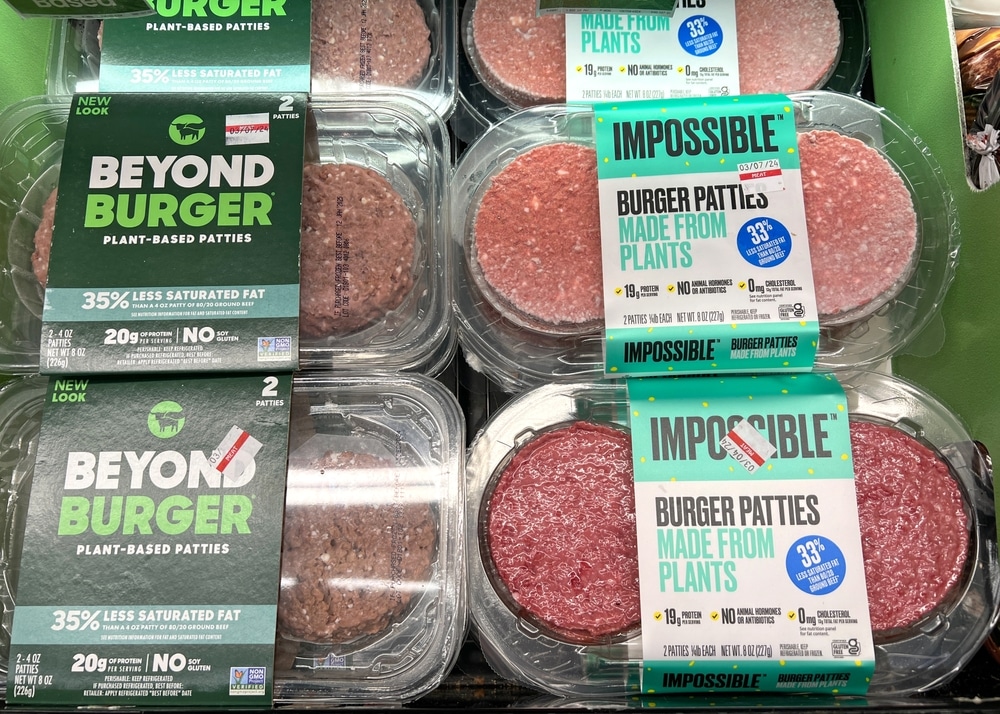

Plant-based eating is often praised for lowering heart disease risk and boosting overall health. But not all plant-based foods are created equal.
Recent large-scale studies show that ultra-processed plant-based foods (UPFs), sugary drinks, and refined grains can actually increase cardiovascular risk, especially for people with diabetes or prediabetes.
Here’s what consumers need to know about the hidden dangers behind some “green” choices.
Ultra-Processed Plant Foods Raise Heart Risks

Research from Imperial College London and the University of São Paulo, published in Lancet Regional Health – Europe, found that eating plant-based ultra-processed foods was linked with a 7% increase in cardiovascular disease risk and higher mortality compared with eating whole plant foods.
Why “Unhealthy” Plant-Based Diets Matter

A 2024 BMC Medicine study of more than 25,000 people with prediabetes or diabetes revealed that an unhealthy plant-based diet (uPDI) significantly raised the risk of heart disease.
By contrast, a healthy plant-based diet lowered risk among people with prediabetes.
Processed Plant-Based Meats Can Backfire

Many meat substitutes are marketed as heart-friendly, but cardiologists warn they can be high in sodium, additives, and saturated fat from oils like coconut or palm.
In some cases, a vegan burger can carry as much saturated fat as a beef patty, according to Medical News Today.
Diabetes and Prediabetes: A Special Concern

The BMC Medicine analysis showed that people with prediabetes and diabetes face greater cardiovascular danger from unhealthy plant-based diets.
Lack of whole grains and higher intake of sugary drinks amplified their risks. Researchers concluded that food quality is especially critical for these groups.
The “Plant-Based” Label Can Mislead

As Imperial College researchers note, “plant-based” simply means food comes from plants, but it doesn’t guarantee health benefits.
Cakes, cookies, sweetened beverages, and processed meat substitutes can all wear the label while contributing to inflammation and heart strain.
Biomarkers Show Early Heart Damage

The Johns Hopkins study, published in the American Journal of Preventive Cardiology, found that unhealthy plant-based diets were linked to elevated cardiac troponin I, a biomarker of silent heart damage.
People eating healthy plant-based diets, however, had a 49% lower chance of elevated levels.
The Salt Trap in Plant-Based Substitutes

One major hidden risk is sodium. A plain chicken breast may contain about 70 mg of sodium, while a processed plant burger can pack 400–600 mg.
Excess salt is a leading driver of high blood pressure and cardiovascular disease, according to cardiologist Dr. Jayne Morgan from Medical News Today.
Additives and Inflammation

Imperial College researchers warn that additives like modified starches, carrageenan, and gums, which are common in plant-based UPFs, may trigger oxidative stress and inflammation, further damaging heart health.
Healthier Green Choices

The safest plant-based diets, according to all three studies, emphasize:
- Whole fruits and vegetables
- Legumes (beans, lentils, chickpeas)
- Whole grains (oats, brown rice, quinoa)
- Healthy fats (olive oil, avocado, nuts)
These foods are nutrient-rich, minimally processed, and shown to reduce cardiovascular risk.
Bottom Line

Plant-based diets can protect your heart, but only if you focus on whole, minimally processed foods. Ultra-processed snacks, sugary drinks, and fake meats may carry a “green” label, but studies show they can silently harm your cardiovascular system.