
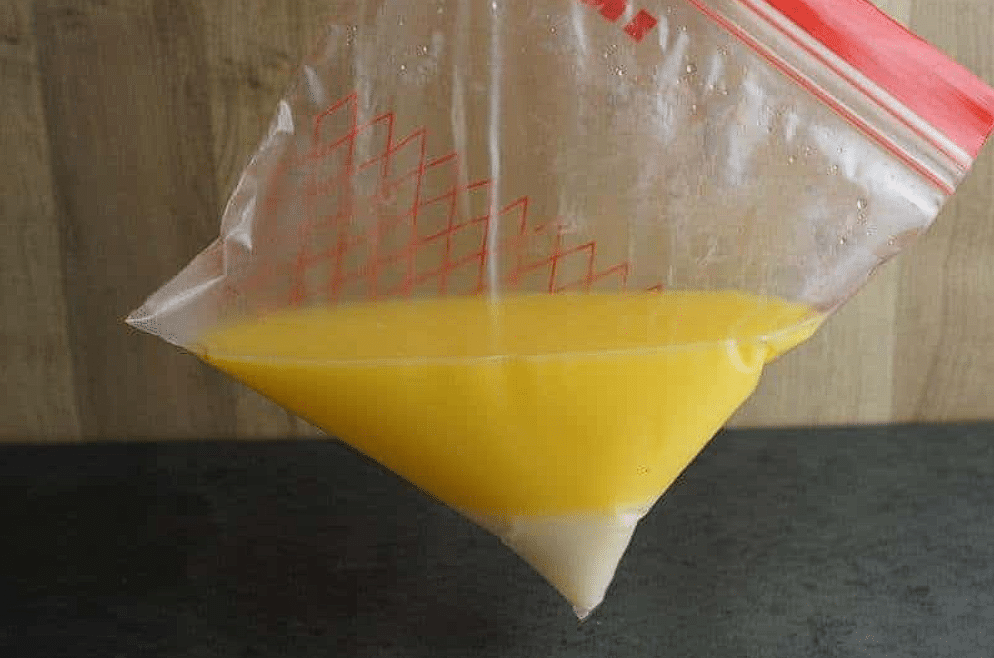

It’s still butter, but something important has been removed
Butter is one of those ingredients most of us use almost every day without giving it much thought.
We spread it on bread, melt it over vegetables, and use it to fry everything from eggs to steaks.
But what if you could take an ordinary stick of butter, remove a few things from it, and end up with an ingredient that behaves quite differently in the kitchen?
That’s exactly what happens when you make clarified butter.
It might sound like one of those complicated cooking techniques that only professional chefs need to understand, but it’s actually surprisingly easy to do at home.
And once you understand what clarified butter is, it becomes obvious why chefs use it for so many different purposes.
Regular butter isn’t made entirely of fat. It also contains water and milk solids, including proteins.
In fact, ordinary butter typically contains around 16–17% water, along with smaller amounts of milk solids.
When you clarify butter, you remove most of these components, leaving behind almost pure butterfat.
That might not sound like a particularly exciting transformation, but it changes something very important.
Clarified butter can withstand significantly higher cooking temperatures than ordinary butter.
That’s because the milk solids in regular butter are among the first components to burn when exposed to intense heat.
By removing them, you’re left with a cooking fat that can handle much more heat without burning as quickly.
So while it might initially seem strange to buy butter only to separate it into different components, the result is an incredibly useful ingredient.
There’s a reason chefs use it in classic sauces
Personally, one of the main reasons I find clarified butter so interesting is its role in making béarnaise sauce.
If you’ve ever made this classic French sauce from scratch, you’ll know that getting the texture right is just as important as developing the flavor.
And clarified butter can make a real difference.
Because most of the water and milk solids have been removed, you’re working with a much higher concentration of butterfat.
That makes it particularly useful when preparing rich, creamy emulsified sauces.
Clarified butter is traditionally used in sauces such as béarnaise and hollandaise, where the fat is carefully incorporated into other ingredients to create a smooth, luxurious texture.
But it would be a shame to reserve clarified butter exclusively for sauces.
Its ability to tolerate higher temperatures also makes it excellent for frying meat and vegetables.
Imagine wanting to give a steak a beautiful golden-brown crust while still enjoying the rich flavor of butter.
With ordinary butter, there’s always a risk that the milk solids will burn before you’ve finished cooking.
Clarified butter offers a useful alternative, allowing you to cook at higher temperatures while retaining that delicious buttery richness.
And if this sounds familiar, you might already be thinking about another popular cooking ingredient.
Ghee.
Is clarified butter the same as ghee?
They’re closely related, but they’re not exactly the same.
Ghee is also a type of clarified butter, and both are made by separating the butterfat from the water and milk solids.
However, the process of making ghee usually involves allowing the milk solids to brown before they’re removed.
This creates a deeper, slightly toasted and nutty flavor.
That distinctive taste is one of the reasons ghee plays such an important role in Indian cooking.
Clarified butter, on the other hand, is strongly associated with traditional French cuisine, particularly classic sauces.
It’s fascinating how different food cultures have developed similar techniques for transforming something as familiar as butter.
And the best part is that you don’t need professional kitchen equipment to try it yourself.
The easiest method requires surprisingly little effort
There are several ways to make clarified butter, but this particular method is especially convenient.
You don’t even need to measure out a specific amount.
Simply start with a stick or two of butter and see how the technique works.
First, place the butter in a saucepan and gently melt it.
If you want to speed things up a little, you can cut it into smaller pieces before heating.
Once completely melted, allow it to cool enough to handle safely, then pour it into a suitable food-safe bag.
The bag is then suspended at an angle in the refrigerator using a couple of clips.
As the butter cools and solidifies, the watery liquid collects at the bottom of the bag.
Once everything has separated, you can simply cut a small hole in the bottom corner to drain away the liquid.
Alternatively, use a bag clip to isolate the liquid before removing the solidified butterfat.
And just like that, you’ve made clarified butter.
If you happen to own sous vide equipment, there’s also another method worth trying.
The butter can be vacuum-sealed and melted in a temperature-controlled water bath at approximately 70°C (158°F).
Afterward, the bag is suspended at an angle in the refrigerator in exactly the same way, allowing the components to separate.
Both methods demonstrate how little effort is actually required.
It’s worth mentioning that some milk solids may remain trapped in the butterfat, so additional careful separation or filtering may be needed if you want especially clear butter.
One small technique that opens up so many possibilities
What I find most interesting about clarified butter is that you’re not really creating an entirely new ingredient.
Instead, you’re changing the properties of something you’ve probably had in your refrigerator for years.
And understanding these small transformations is one of the things that can make you a much more confident home cook.
Clarified butter is useful for frying, preparing classic French sauces, and cooking situations where you want the flavor of butter without the same amount of water and milk solids.
You certainly don’t need to keep a permanent supply in your kitchen.
But it’s a technique worth remembering.
And the next time you’re planning to make homemade béarnaise sauce, that might be the perfect opportunity to try it for yourself.
Sometimes the smallest changes in the kitchen can make a surprisingly big difference.
We’ve also included a video below showing how the process works, because some cooking techniques are simply easier to understand once you’ve seen them in action.
Happy cooking, and enjoy!
Frequently asked questions
What is clarified butter?
Clarified butter is butter that has had most of its water and milk solids removed, leaving behind almost pure butterfat. This gives it different cooking properties compared to regular butter.
What can clarified butter be used for?
Clarified butter is particularly useful for making classic sauces such as béarnaise and hollandaise. Its higher smoke point also makes it suitable for frying meat and vegetables at temperatures where ordinary butter might burn.
Is clarified butter the same as ghee?
Not quite. Although they’re very similar, ghee is typically made by allowing the milk solids to brown before removing them. This gives ghee a richer, toasted, slightly nutty flavor compared to regular clarified butter.