


Europe’s long-running debate over plant-based food labeling has reignited.
The European Parliament has voted to reserve words like “burger” and “sausage” exclusively for meat products; a move that could force plant-based brands to rename their foods.
Supporters call it a win for transparency; critics say it’s out of touch with modern eating habits. Here’s how the controversy unfolds.
The Vote That Sparked a Food Fight
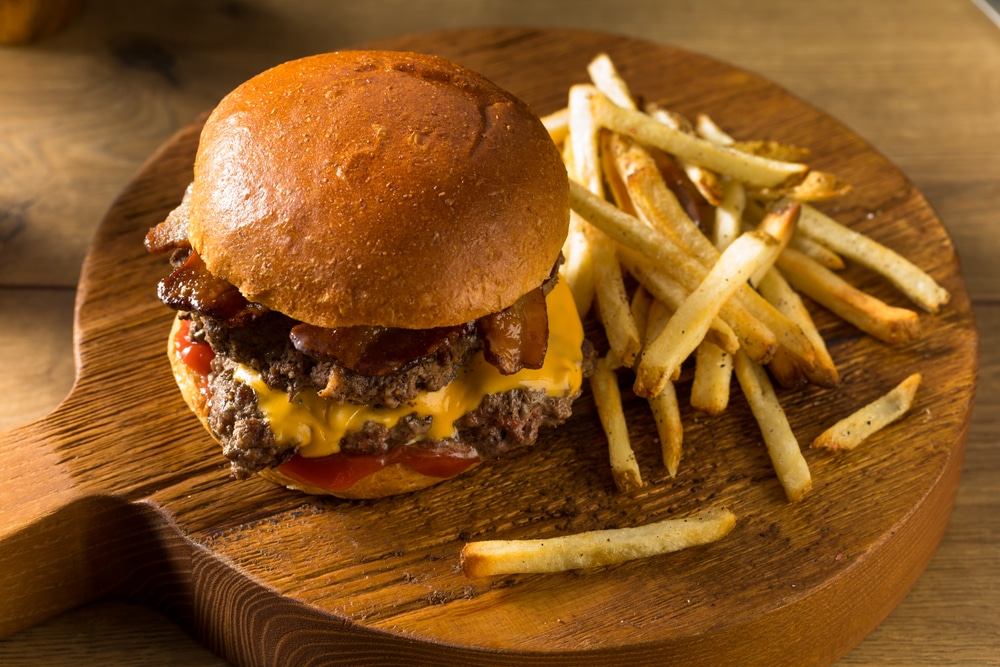
On October 9, 2025, the European Parliament narrowly approved a measure restricting terms like burger, steak, and sausage to products made from animal meat.
The amendment, led by French MEP Céline Imart, aims to “protect consumers and recognize farmers’ work.”
Not Yet Law – But Close

The rule isn’t official yet. For it to take effect, a majority of the EU’s 27 member states must also approve it.
The outcome is uncertain, as several countries – notably Germany and the Netherlands – oppose the measure.
The Argument for Transparency

Imart, a grain farmer from northwest France, insists the goal is clarity. “A steak, escalope, or sausage are animal products, not made in a lab or from plants,” she said.
She compared it to existing EU rules that already ban terms like “milk” or “yogurt” for dairy-free products.
A Shift in Political Power

A similar proposal failed in 2020, but Europe’s political landscape has changed. After the 2024 elections, the Parliament gained more conservatives, giving traditional agricultural interests stronger influence.
Critics Call It ‘A Distraction’

Austrian MEP Thomas Waitz dismissed the vote as political theater. “Veggie burgers don’t confuse consumers, only right-wing politicians,” he said. “No farmer will earn more because of this ban.”
Even the Right Isn’t United

Inside Imart’s own political group, the European People’s Party, opinions are split. Leader Manfred Weber called the topic “not a priority,” adding, “Consumers aren’t stupid when they shop.”
Retailers Push Back

German supermarket giants Aldi and Lidl have criticized the move, arguing that banning familiar terms would confuse shoppers rather than protect them.
Germany, Europe’s largest plant-based market, could be hit hardest if companies must rename their products.
France’s Meat Lobby Cheers
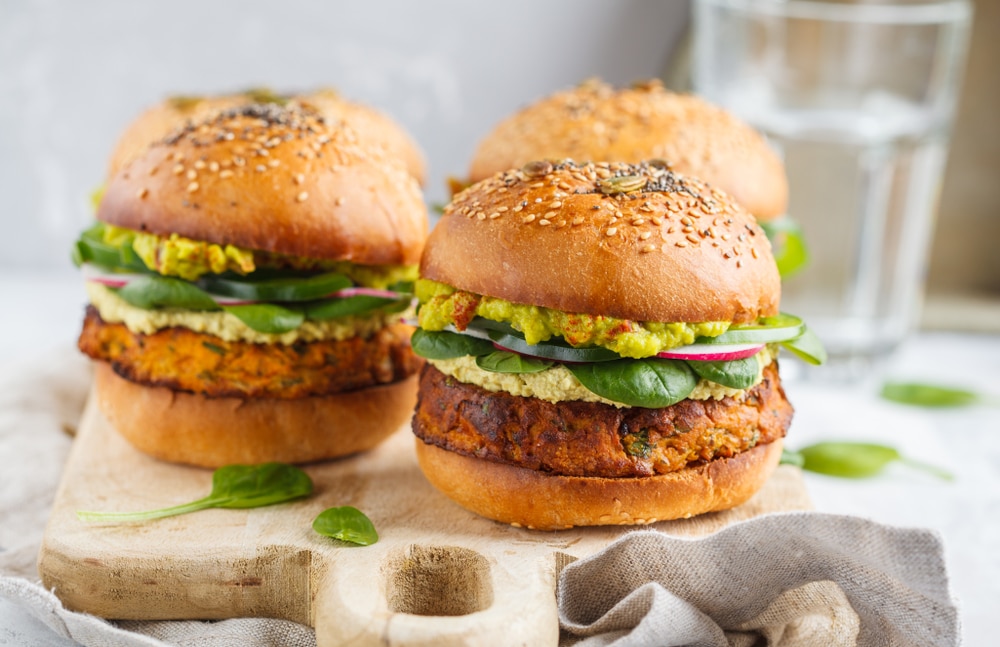
The French livestock industry supports the decision. Jean-François Guihard, head of the meat association Interbev, said: “Without clear rules, consumers risk being misled by products that look like meat but aren’t.”
A Legal Tug-of-War

France already tried a similar national ban in 2020, prohibiting 21 meat-related terms such as “ham,” “fillet,” and “ribs.” The EU’s Court of Justice overturned it in 2024, ruling it inconsistent with European law.
Consumer Advocates Disagree

According to a 2020 survey by the European Consumer Organization (BEUC), 70% of respondents had no issue with using meat-related names for vegan or vegetarian items: as long as labels were clear. “People understand what a veggie burger is,” said BEUC policy expert Irina Popescu.
A Little Humor in the Debate
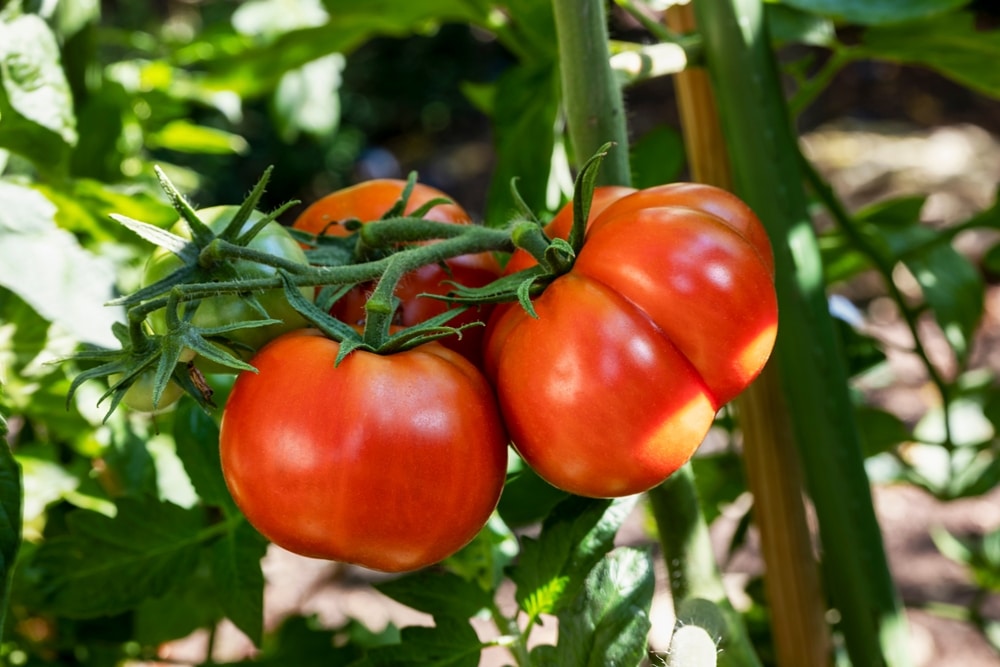
Austrian MEP Anna Stürgkh mocked the idea that names confuse consumers. “A ‘beef tomato’ isn’t made of beef, and ‘ladies’ fingers’ aren’t real fingers,” she said. “Let’s trust consumers and drop this hotdog-style populism.”
What Happens Next?

The decision now moves to the EU Council, where member states will negotiate. Whether plant-based “burgers” survive on menus may soon depend not on taste, but on politics.