

Constipation and sluggish digestion are more common than you might think.
But what you eat (and drink) can make all the difference. According to nutrition experts, fiber-rich foods, hydration, and probiotics can keep things moving, while certain processed and low-fiber foods may slow your system down.
Here are 10 everyday foods to help (or hurt) your digestive health.
What to eat

When your digestion feels sluggish, reach for fiber-rich foods, plenty of fluids, and natural helpers. These foods add bulk, feed good gut bacteria, and keep things moving smoothly.
Water: The Foundation of Digestion

Hydration is key for regularity. Since stool is mostly water, drinking enough keeps things moving smoothly.
Aim for about 15.5 cups daily for men and 11.5 cups for women, more if you’re active or sweating.
Flax Seeds: Tiny Seeds, Big Impact
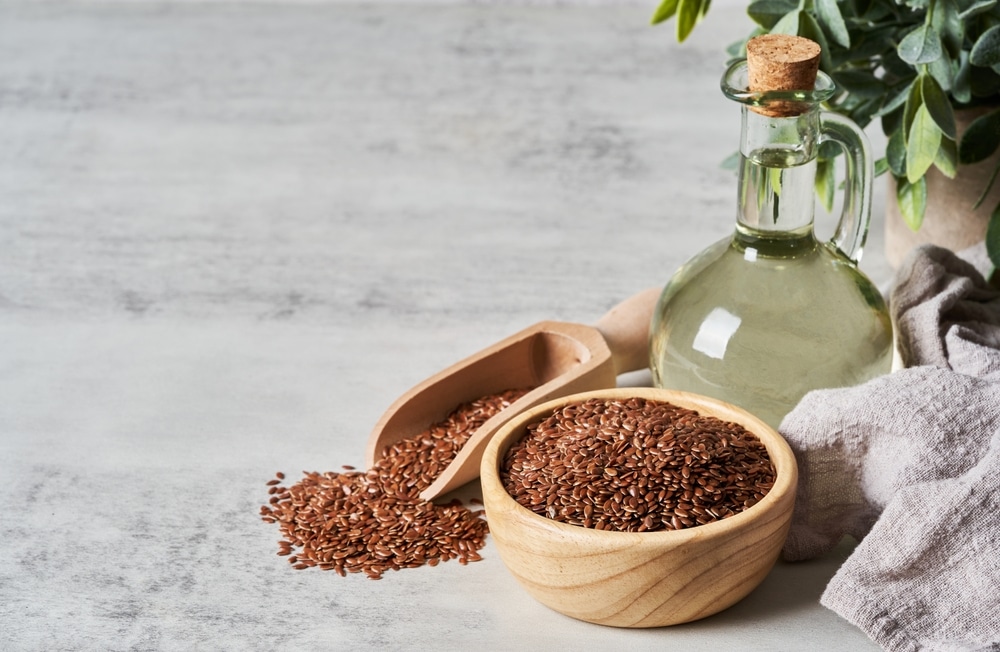
Ground flax seeds are packed with fiber, omega-3s, and minerals. Just one tablespoon offers 8% of your daily fiber says All Recipes. Sprinkle into smoothies, oatmeal, or baked goods for gentle relief.
Oatmeal: A Breakfast That Helps Things Flow

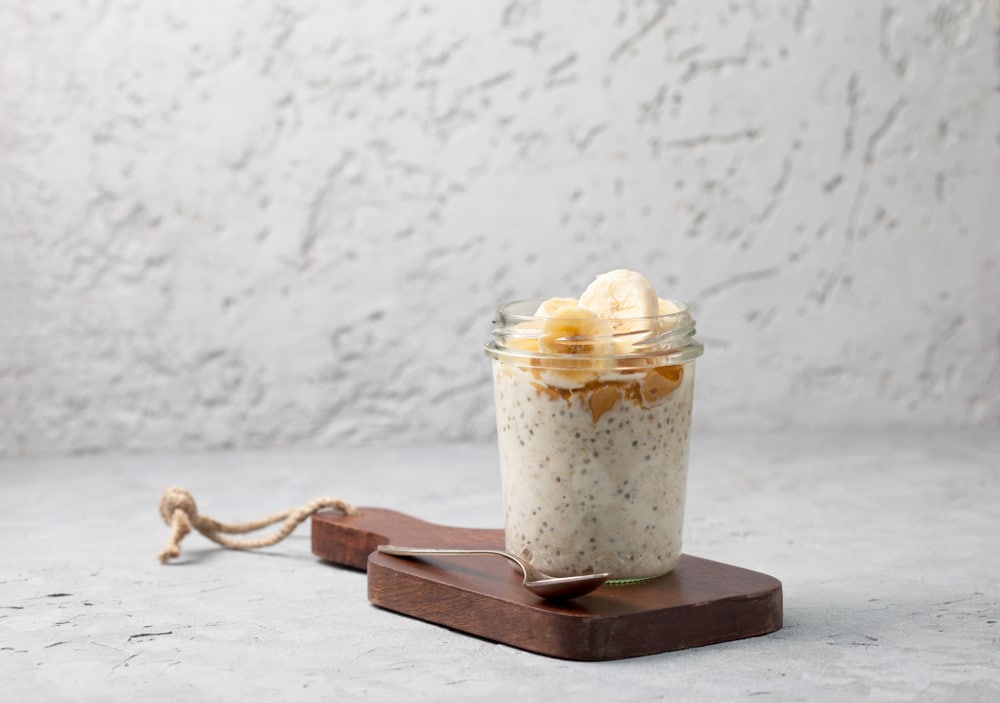
Oats provide both soluble and insoluble fiber, which bulk up stool and feed healthy gut bacteria says MDPI. One cup has 4 grams of fiber plus protein. Overnight oats make it an easy daily habit.
Pears: Sweet Relief
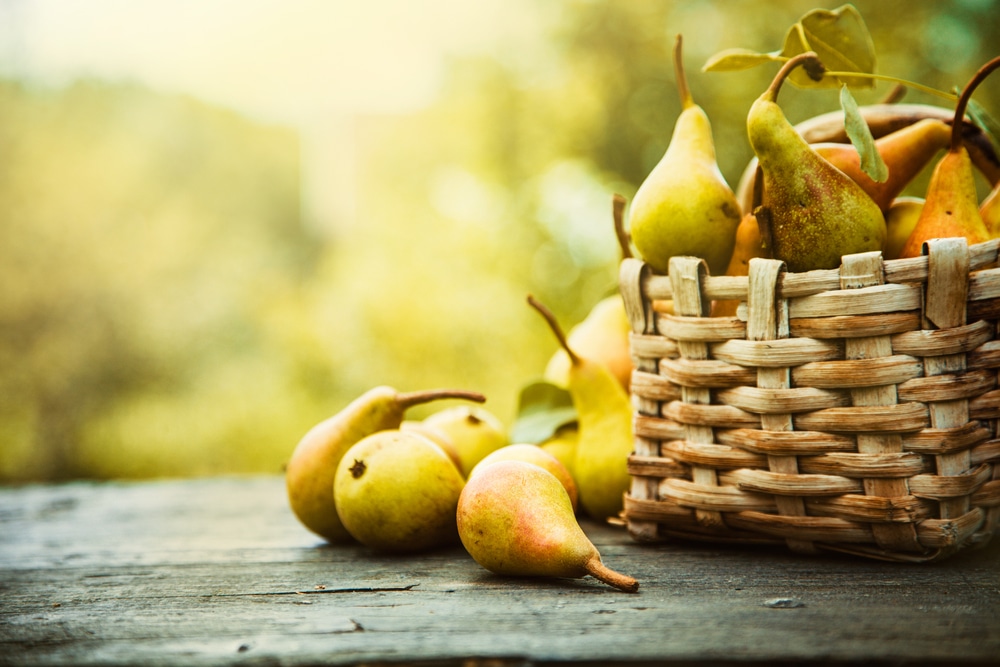
A medium pear delivers about 6 grams of fiber, especially if you leave the skin on. Rich in pectin, they feed gut bacteria and soften stools. Snack fresh, add to salads, or bake into desserts.
Prunes: The Tried-and-True Remedy
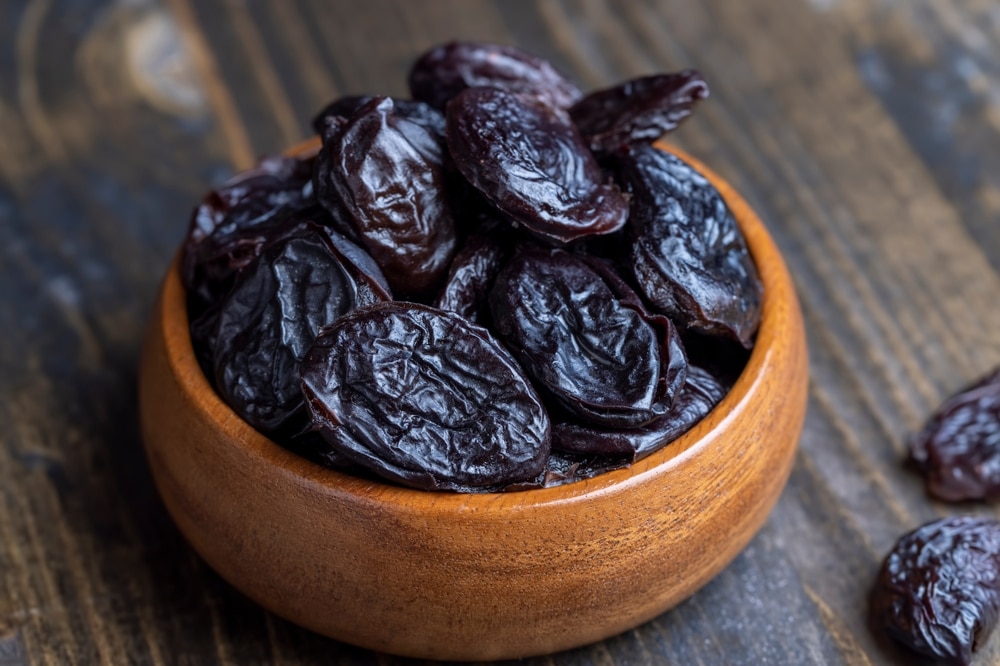
With 7 grams of fiber per 100 grams plus natural sorbitol, prunes are a classic constipation fix. Prune juice is also effective, especially for those with low appetite, says Harvard Health.
What not to eat

Greasy, processed, and low-fiber foods are the usual culprits behind sluggish digestion. Limit these following items and your gut will thank you.
Fried Foods: A Recipe for Sluggish Digestion
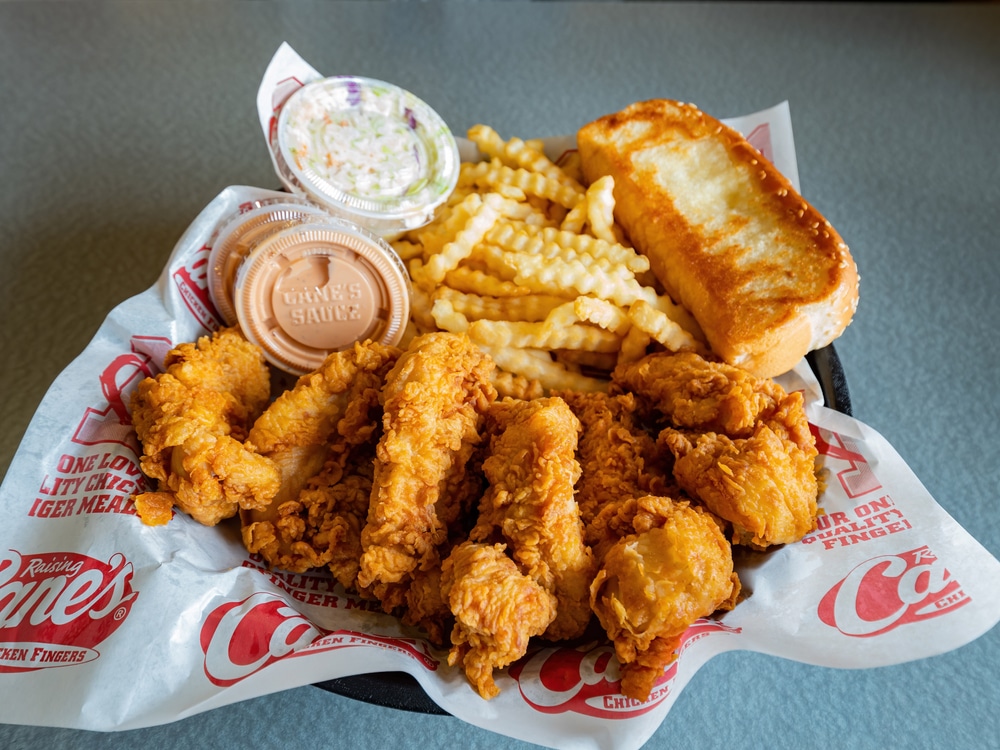
Greasy foods like fries, fried chicken, and doughnuts slow stomach emptying and can leave you bloated or uncomfortable. Swap them for baked or air-fried versions.
Processed Meats: Low Fiber, High Fat
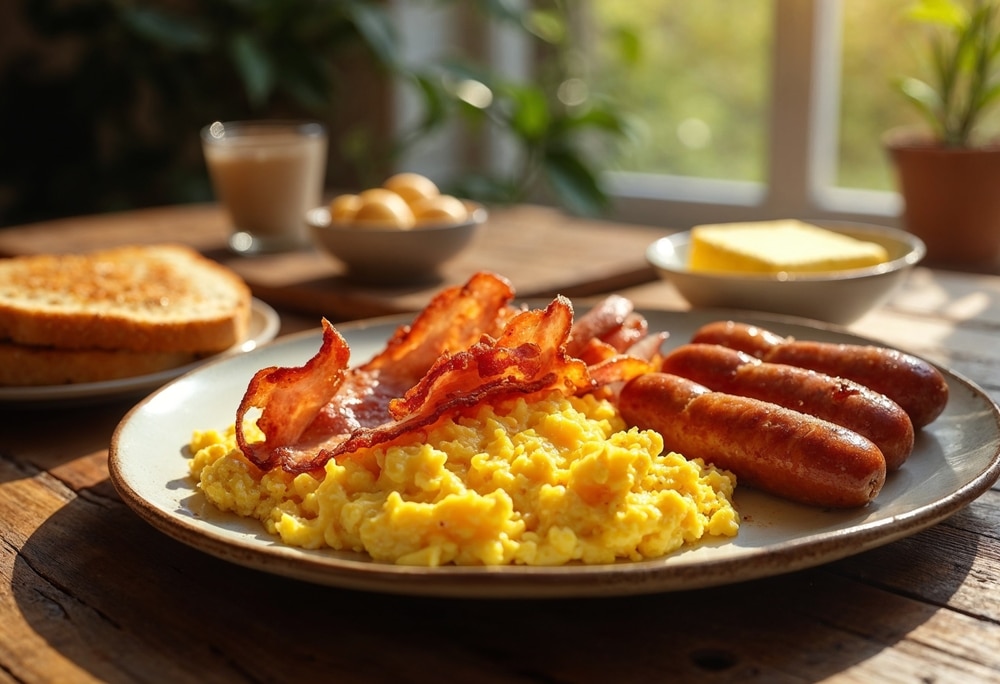
Bacon, hot dogs, and sausages lack fiber and are high in saturated fat, which can worsen constipation. They also increase the risk of long-term digestive issues.
Cheese: Delicious but Binding
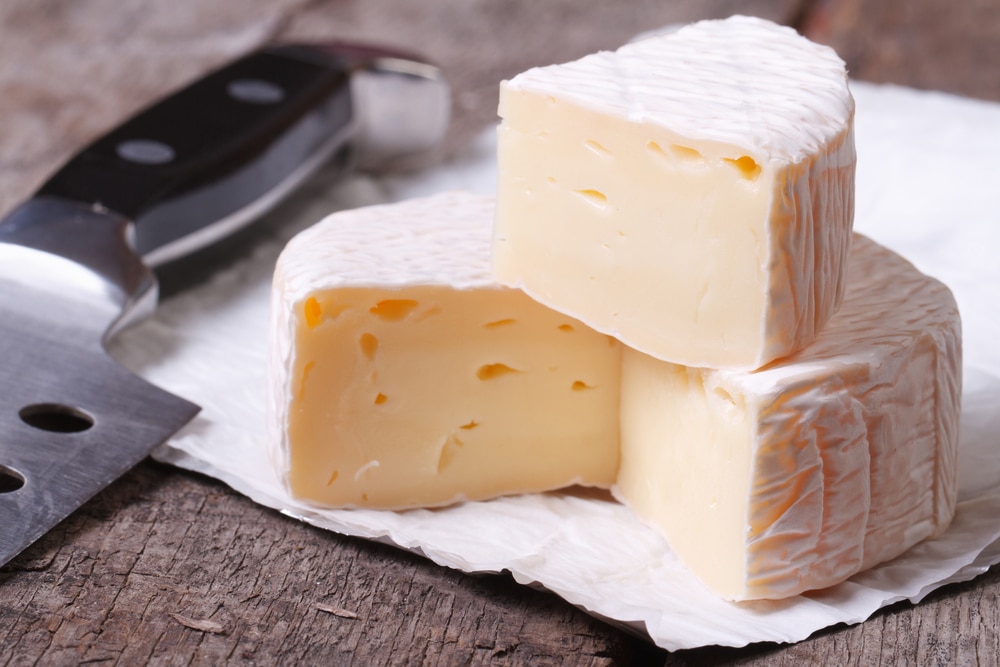
Cheese is tasty but notoriously low in fiber and high in fat, which can make constipation worse if eaten in large amounts. Balance with high-fiber foods like whole grains and veggies.
Refined Grains: Missing the Fiber

White bread, white rice, and pastries lose most of their fiber during processing. Without fiber, your digestive system has little to work with, slowing things down. Swap for whole-grain alternatives.
Alcohol: Dehydrating and Disruptive

Beer, wine, and cocktails can dehydrate you and disrupt the balance of bacteria in your gut. Too much may lead to constipation or diarrhea. Stick to moderation and drink plenty of water.