


Brown rice is often seen as the go-to “healthy carb,” but with only about 2 grams of fiber per ½ cup, it’s not as impressive as it seems.
The good news? There are plenty of delicious and more fiber-rich alternatives worth trying.
Here are 10 satisfying swaps to liven up your meals and boost nutrition with key tips on how to make the most of them at the end.
Chickpeas
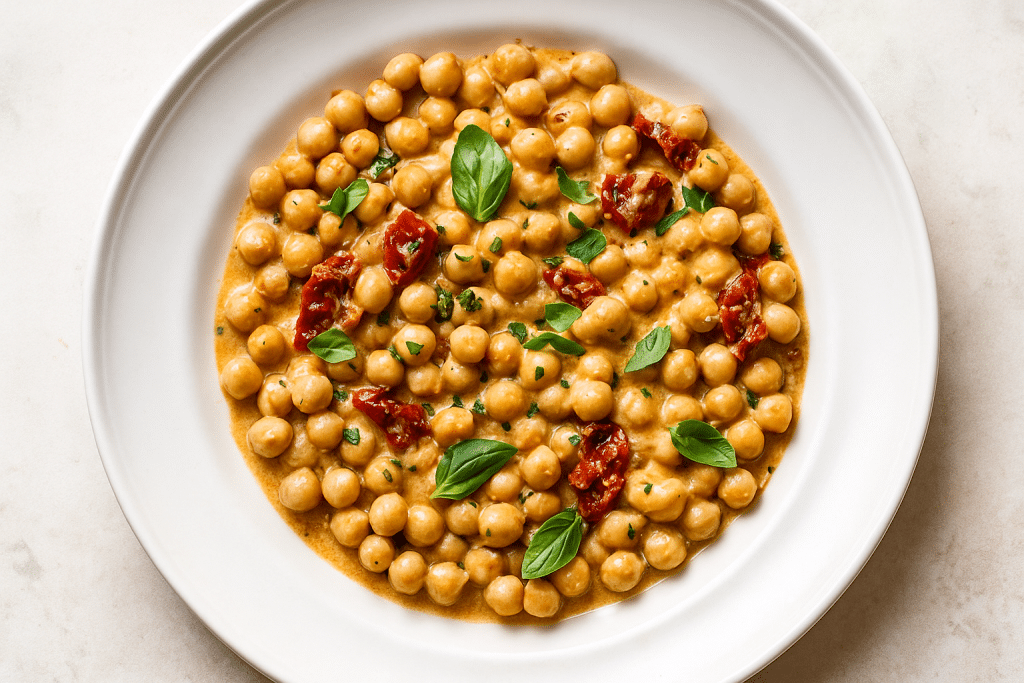
Chickpeas offer 6 grams of fiber per ½ cup, along with plant-based protein and essential minerals says Healthline. Roast them for a crunchy snack, add them to salads, or blend into a creamy hummus for a filling, gut-friendly dip.
Buckwheat
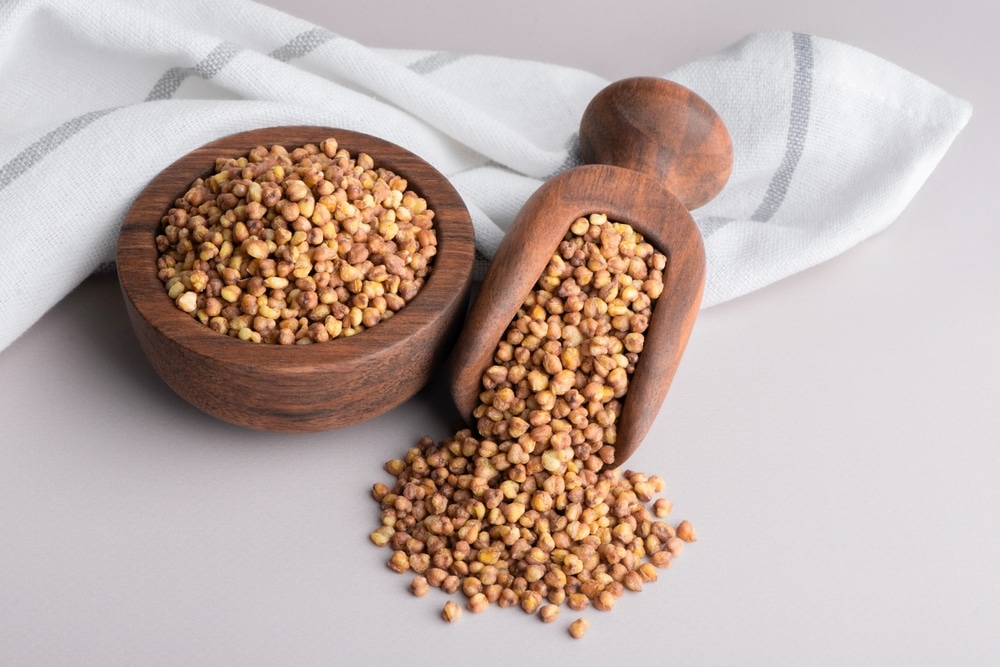
A naturally gluten-free grain, buckwheat delivers around 2.3 grams of fiber per ½ cup. It’s also rich in antioxidants like rutin and quercetin says Cambridge University Press. Try it as porridge, in groats, or in savory buckwheat pancakes for a hearty twist.
Lentils
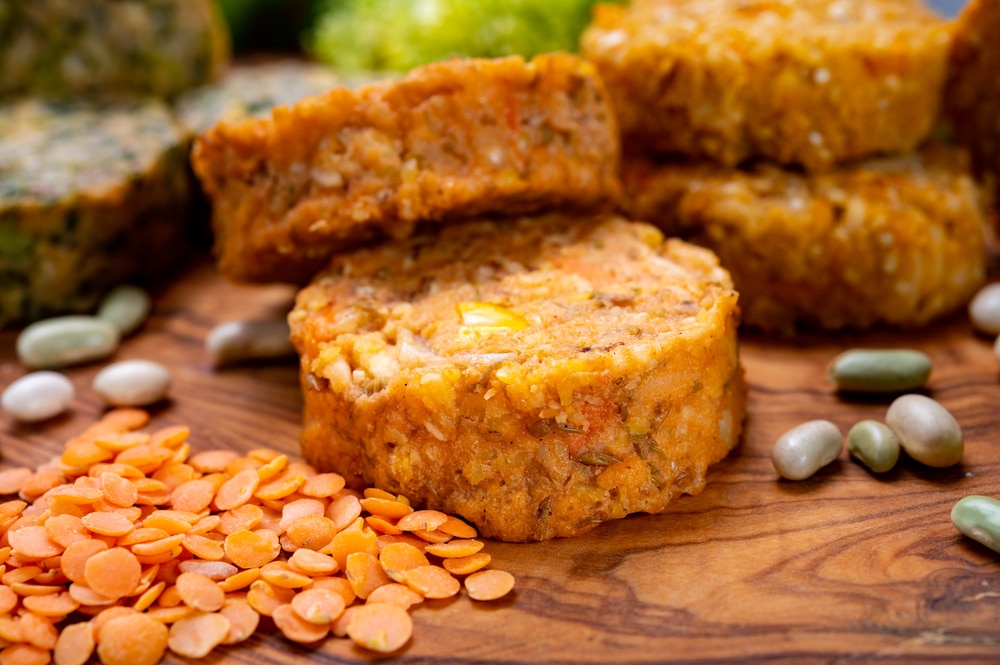
With 8 grams of fiber in just a ½ cup, lentils are one of the most powerful plant-based foods out there. They also bring iron, folate, and protein to the table. Use them in soups, stews, curries, or cold lentil salads.
Green Peas
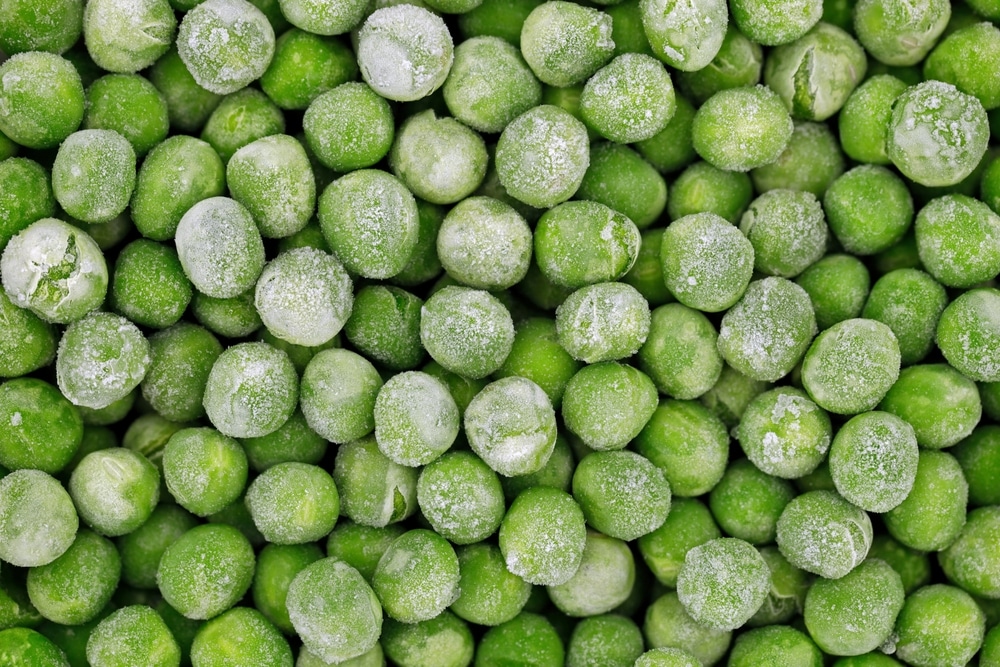
Green peas provide 4.5 grams of fiber per ½ cup and offer both soluble and insoluble fiber types. That means better blood sugar control and more regular digestion. Add them to risottos, pasta dishes, or enjoy them on the side.
Quinoa
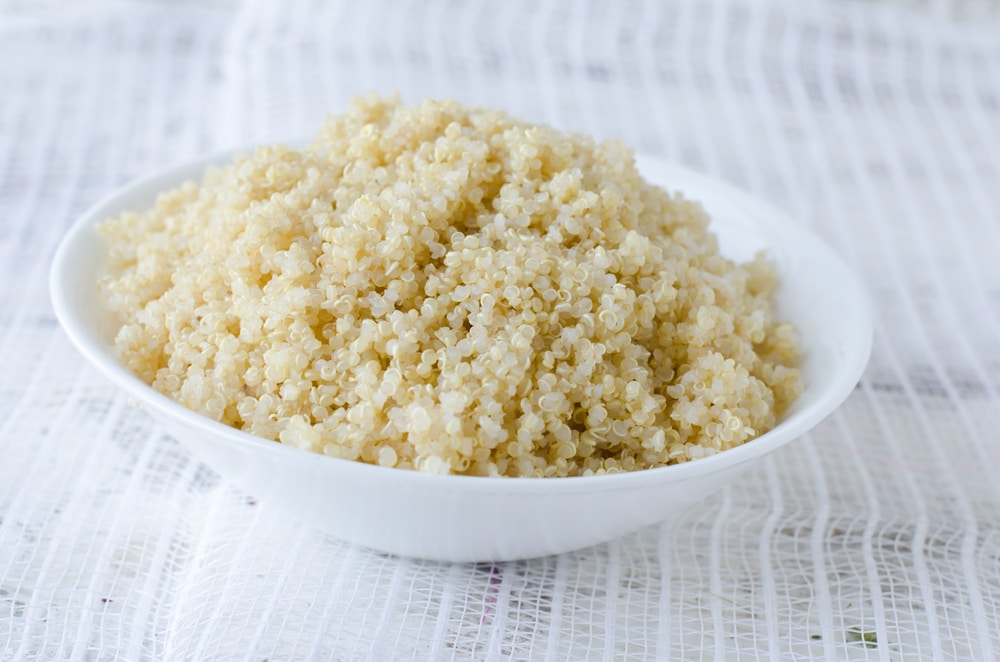
Quinoa serves up 2.6 grams of fiber per ½ cup and it’s a complete plant protein. Fluffy and quick-cooking, it’s great in grain bowls, salads, casseroles, and stir-fries, giving brown rice a serious run for its money.
Bulgur
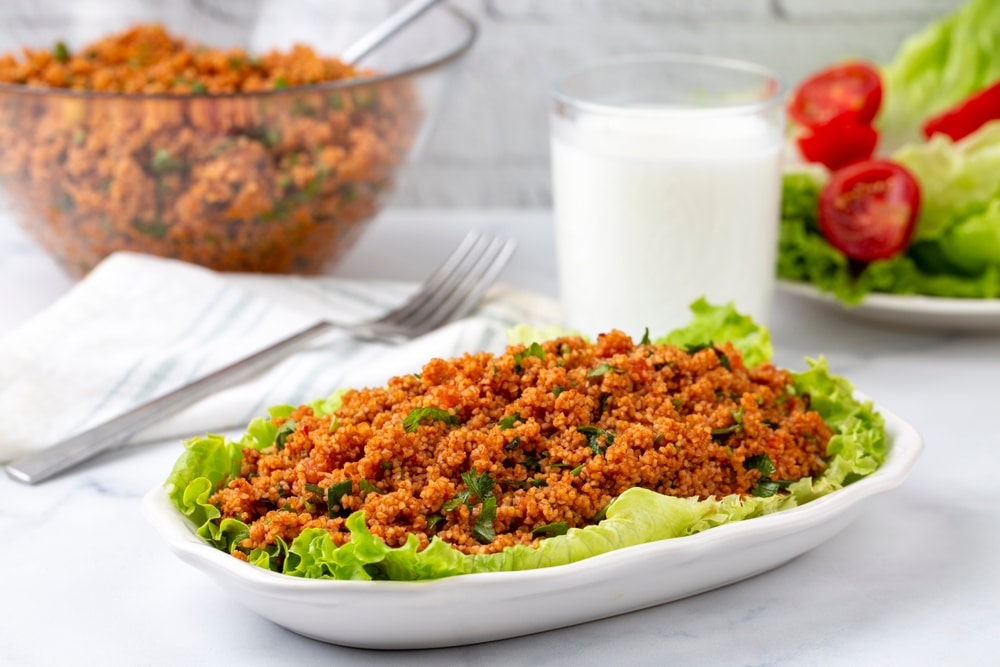
With 4 grams of fiber per ½ cup, bulgur is a quick-cooking whole grain that shines in Mediterranean dishes. Use it as the base for tabbouleh, grain bowls, or simple side pilafs. It’s chewy, nutty, and satisfying.
Whole-Wheat Pasta
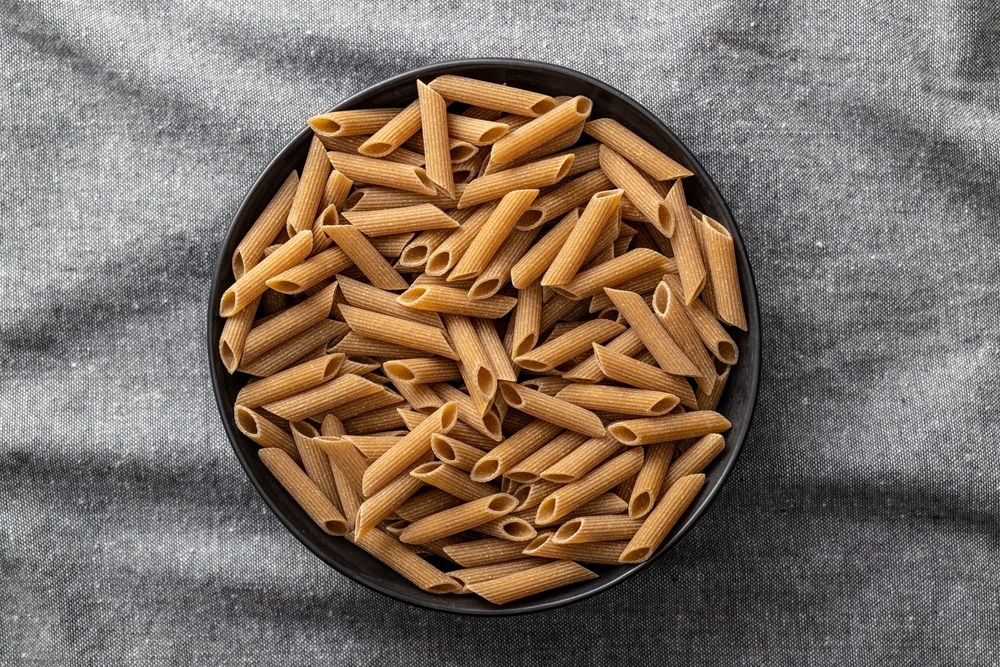
Whole-wheat pasta has just over 2 grams of fiber per ½ cup and is an easy switch for anyone trying to eat better. Try mixing it half-and-half with regular pasta to ease into the taste, while also boosting your fiber and micronutrients.
Black Beans
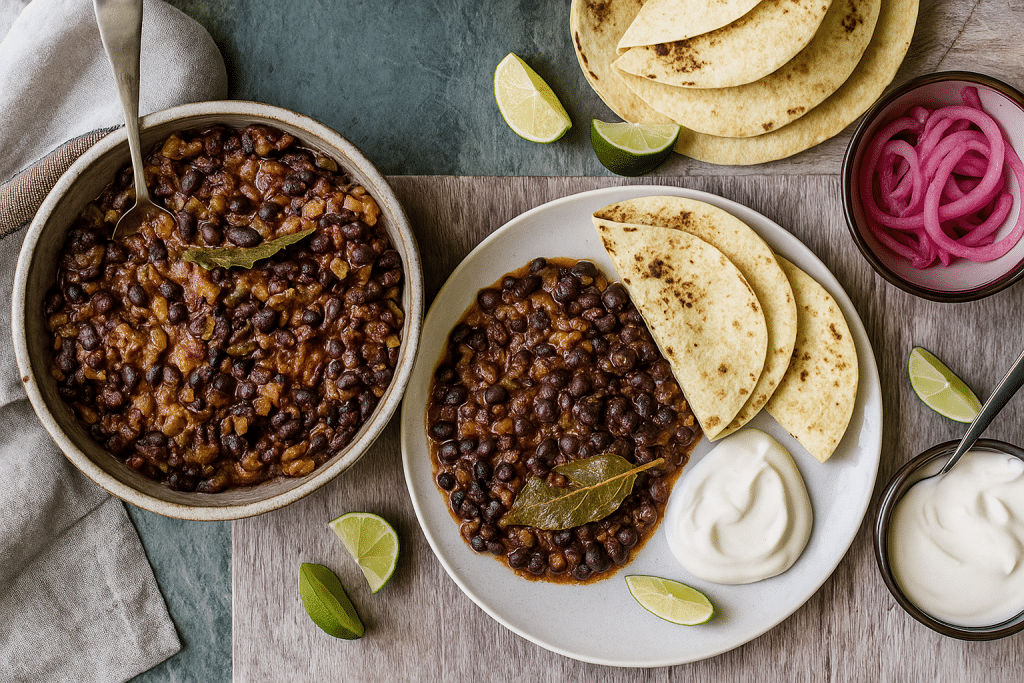
Black beans bring a whopping 9 grams of fiber per ½ cup and are associated with reduced risk of hypertension and type 2 diabetes. They’re perfect in tacos, rice bowls, and even brownies for a sneaky nutritional punch.
Sweet Potatoes
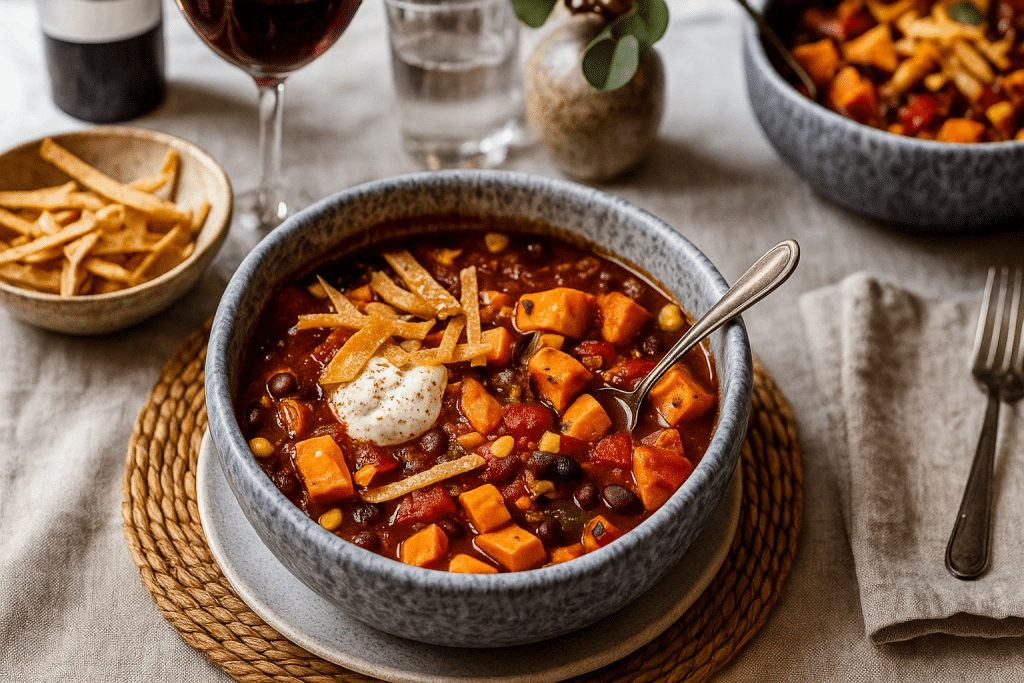
These vibrant root veggies offer 4 grams of fiber per ½ cup and are full of carotenoids — antioxidants known to support eye health and fight inflammation. Enjoy them roasted, mashed, or stuffed.
Barley
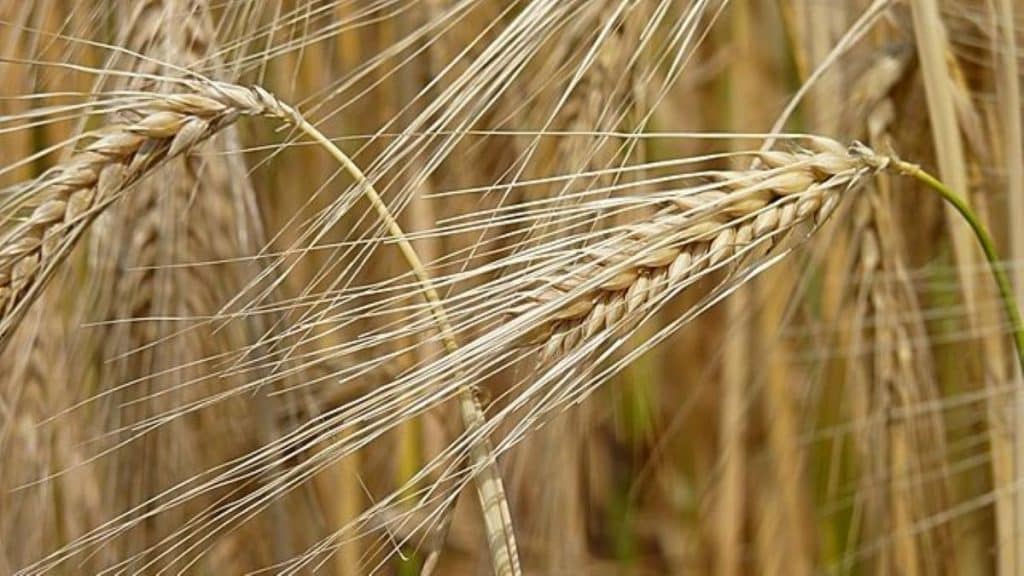
This nutty, chewy grain contains 3 grams of fiber per ½ cup and is especially rich in beta-glucan, a soluble fiber shown to help reduce cholesterol says Efsa. Barley adds depth to soups, stews, and cold grain salads.
Why Fiber Matters

Fiber plays a critical role in digestion, heart health, and blood sugar regulation. Despite its benefits, most people don’t get enough of it. Choosing fiber-rich alternatives to common carbs is a smart, sustainable way to improve your diet.
Add Variety to Your Plate
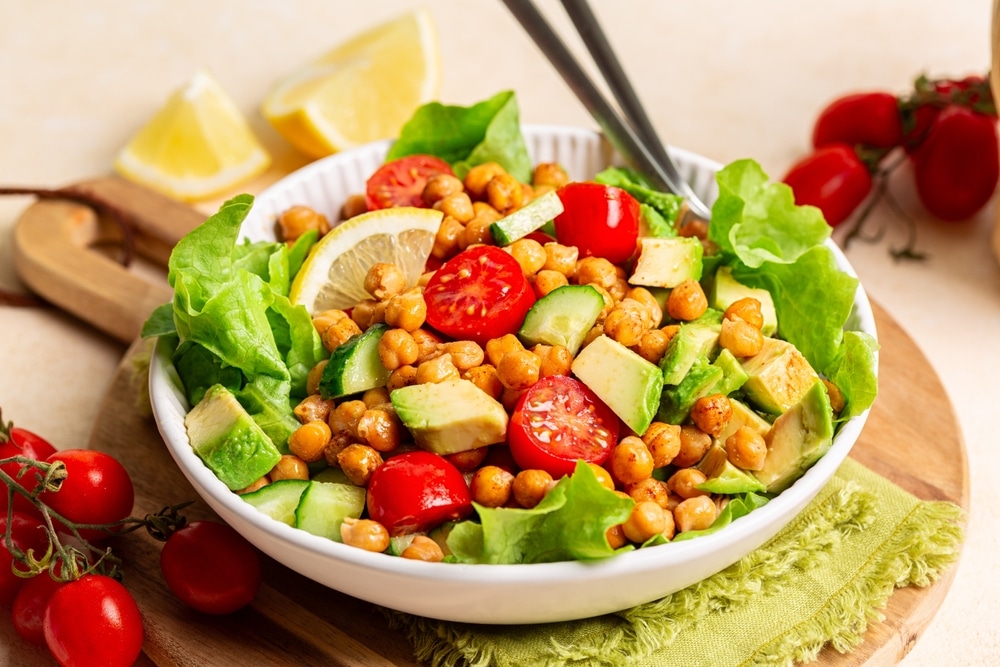
Mixing fiber sources like legumes, grains, and starchy vegetables helps support gut health and ensures you get a full spectrum of nutrients. Variety is key to making healthy eating both effective and enjoyable.
Pair Fiber with Protein
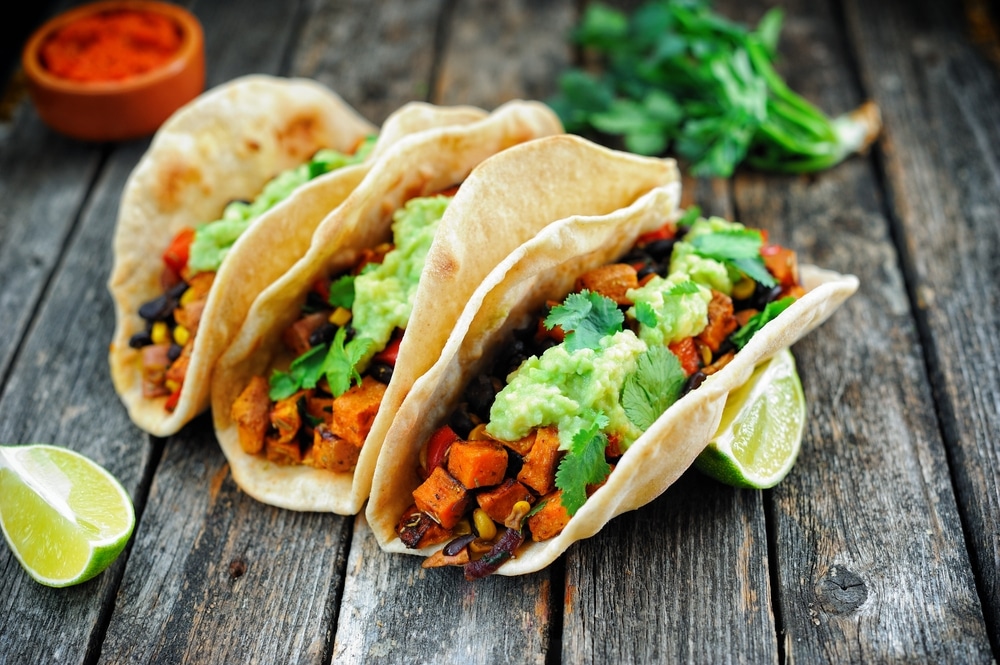
Combining fiber with protein slows digestion and keeps you fuller for longer. Great combos include quinoa with grilled chicken, barley with salmon, or black beans with scrambled eggs.
Increase Fiber Gradually

Upping your fiber intake too quickly can cause bloating and discomfort. Add one extra serving at a time and make sure to drink plenty of water to support digestion as your body adjusts.