
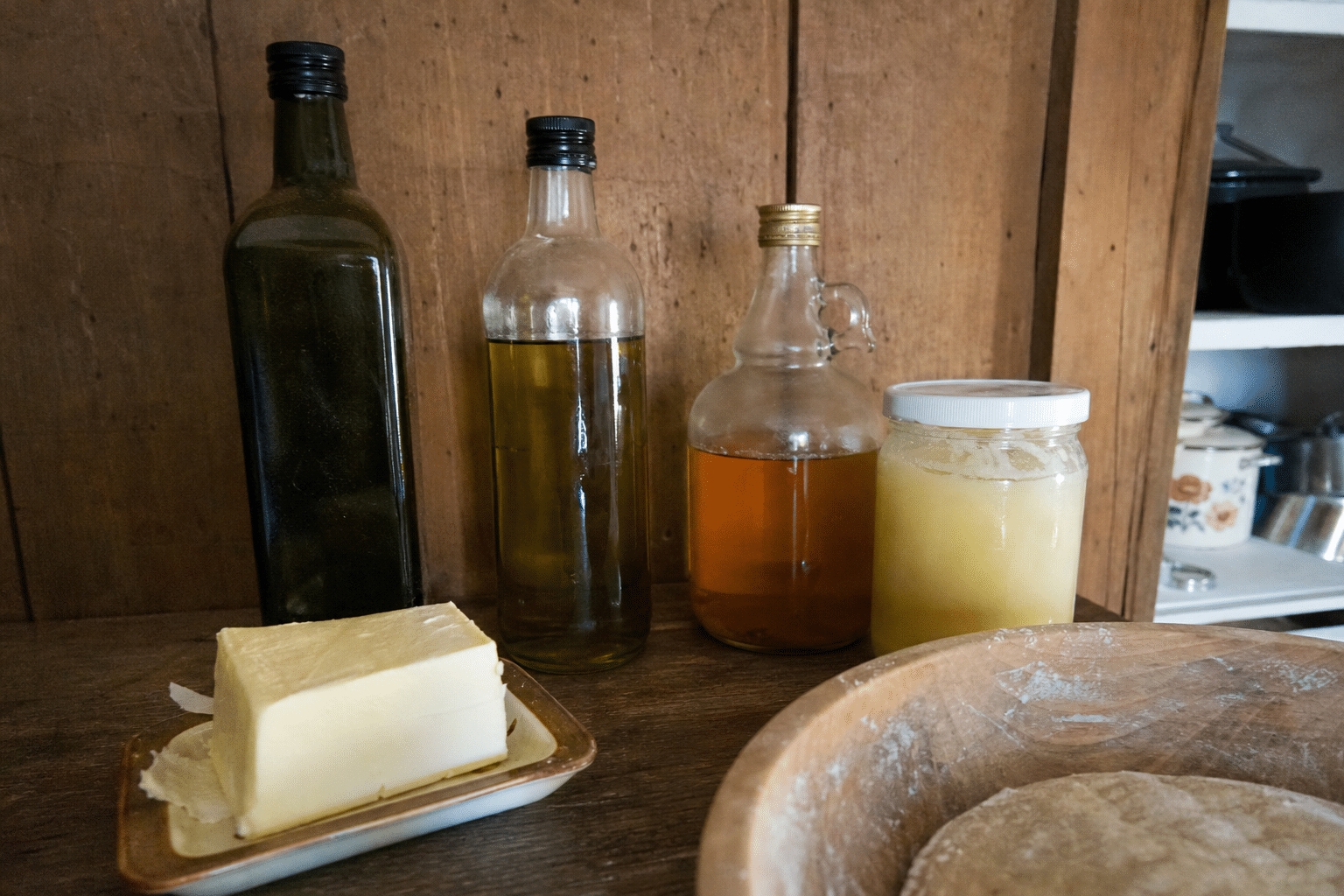

A twenty-dollar bottle of extra-virgin olive oil is wasted the moment it hits a hot pan, because high heat burns off the delicate flavor you paid for. For most cooking, a cheaper fat does the job better.
The trick is matching the fat to the task. Here are seven swaps that cost less and often perform better than the fancy green bottle.
1. A cheaper cooking oil for the heat
For frying and roasting, a neutral oil like sunflower, canola, or light olive oil has a higher smoke point and costs far less. You are not tasting the oil here anyway.
Use it anywhere the food browns hard, and save the good stuff for drizzling.
2. Butter for flavor
When you want richness, butter beats mid-range olive oil every time. It browns into a nutty, savory fat that coats everything.
Read more: Our recipe for hot honey feta chicken, the one-skillet dish that took over 2026
Cook it until the milk solids turn golden for brown butter, then spoon it over vegetables or fish.
3. Rendered animal fat
The fat you pour off bacon, chicken, or a roast is free flavor most people wash down the sink. It fries potatoes and vegetables beautifully.
Save it in a jar in the fridge and use it like any cooking fat.
4. Toasted sesame oil for finishing
A few drops bring more aroma than a whole glug of olive oil, so a cheap small bottle lasts for months. It is a finishing oil, not a frying one.
Read more: The Jamaican jerk turkey that brings bold Caribbean spices to your Thanksgiving dinner
Add it off the heat, at the very end, so the aroma survives.
5. Infused oil you make yourself
Warm a cheap neutral oil with garlic, chili, or herbs and you have a flavored oil for pennies. It beats buying pricey infused bottles.
Gently heat the aromatics in the oil, let it cool, and strain.
6. Nut and seed oils in small amounts
Walnut or pumpkin-seed oil is intense, so a little goes a long way and a small bottle stretches far. Treat them as a seasoning.
Read more: Boller i karry: the creamy Danish curry meatballs that the whole country eats for Sunday dinner
Drizzle a teaspoon over roasted vegetables or a grain bowl.
7. Pasta water and emulsions
Sometimes the richness you want comes from technique, not an expensive oil. Starchy pasta water whisked with a little fat makes a glossy sauce.
Toss pasta with a ladle of its cooking water and whatever fat you have; it emulsifies into silk.
How to use fats smartly
- Match the fat to the heat. Cheap high-smoke-point oils for frying, good olive oil and butter for finishing.
- Save your drippings. Rendered fat is free flavor you already paid for once.
- Finish, do not fry, with the good stuff. Delicate oils lose everything over high heat.
- Buy strong flavors small. Sesame, nut, and infused oils go far, so a little bottle lasts.