


Luxury and sustainability are finally sharing the same spoon. Once reserved for the ultra-wealthy, caviar is being reimagined in a new, ocean-friendly form made entirely from plants.
With brands like Zeroe Caviar crafting seaweed pearls that look, taste, and even pop like real fish roe, the future of fine dining might just be vegan.
From high-end chefs to eco-minded foodies, everyone’s talking about the revolution that’s shaking up one of the world’s most exclusive delicacies.
1. Zeroe Caviar – Seaweed Pearls with Elegance
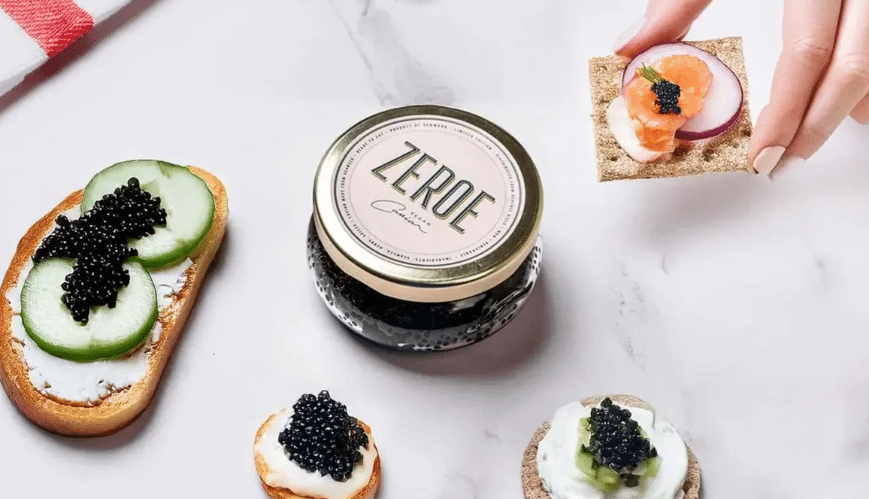
Zeroe’s flagship product is made from seaweed harvested off the French coast, blended with flavoring agents like cayenne, dill, turmeric, and leek to mimic the briny burst of fish roe.
The company markets it as “guilt-free caviar,” entirely plant-based, and already adopted by some Michelin-starred chefs.
2. Taste & Texture That Impresses
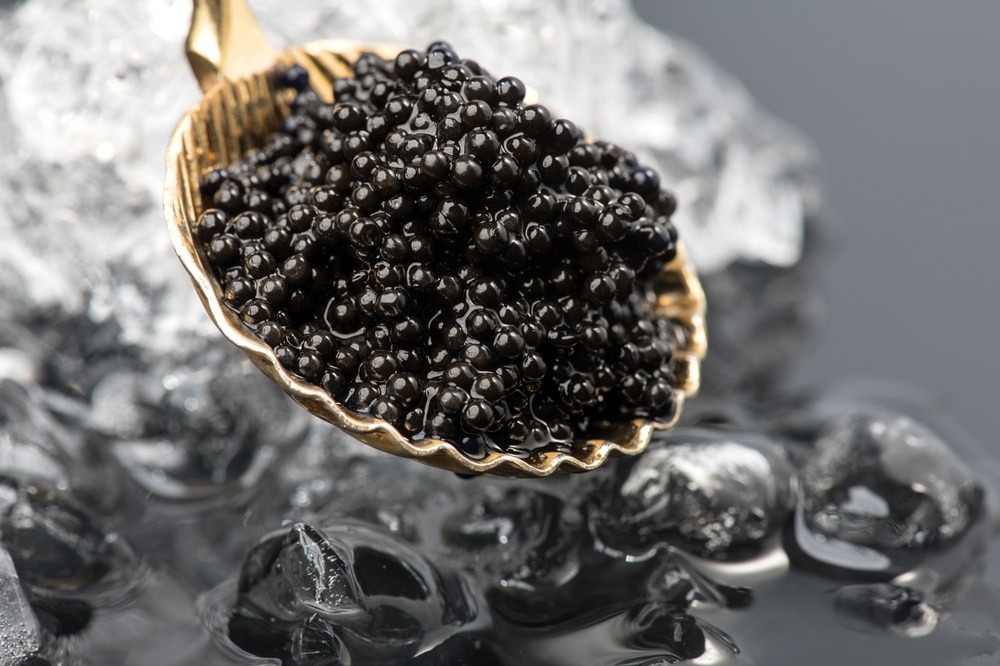
In a review, Seis Kamimura praises Zeroe’s “authentic pop” and briny nuance, saying the pearls burst like traditional caviar without the fishy aftertaste.
3. Sustainability at the Core
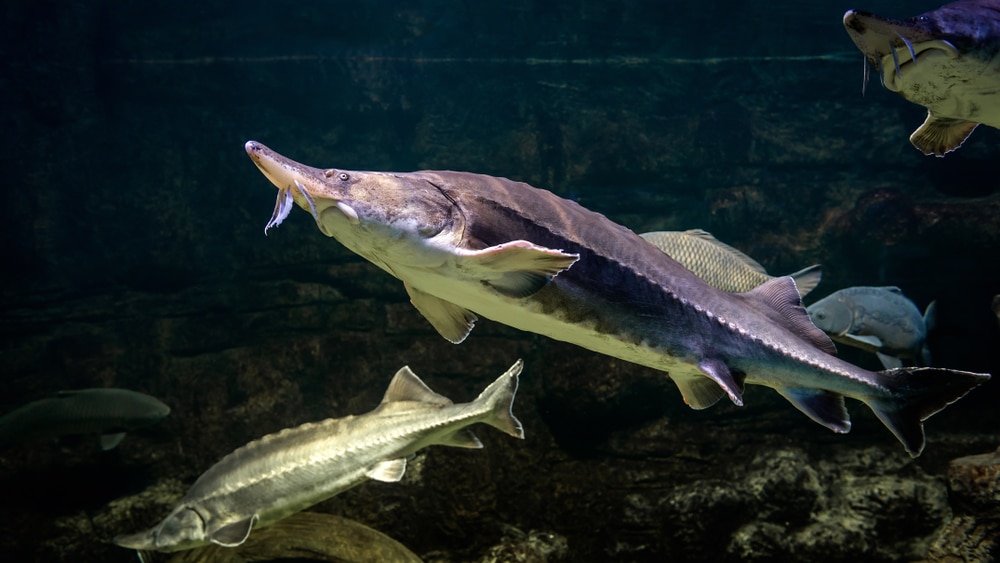
Zeroe claims its approach helps reduce pressures on wild sturgeon populations, since no fish products are used.
Their website emphasizes the environmental benefit of replacing conventional roe with seaweed pearls.
4. High Price, High Positioning
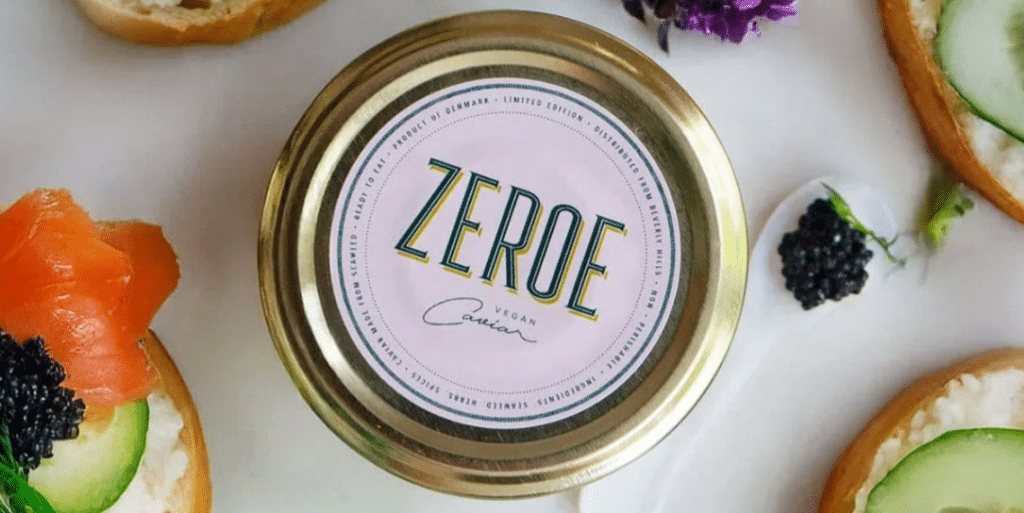
A 50-gram serving of Zeroe sells for about $42, while their 300-gram jar goes for $120, positioning the product as a luxury yet slightly more accessible alternative to true caviar.
5. Menu Presence in Fine Dining
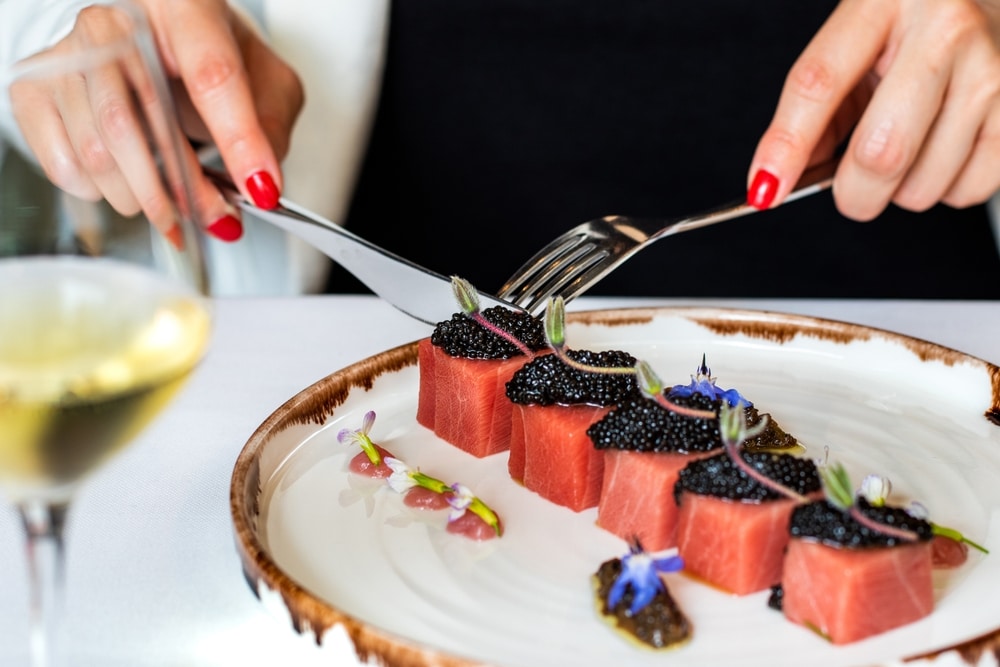
Zeroe’s marketing suggests that top restaurants and chefs are already using this plant-based caviar, bridging the gap between luxury and sustainability.
6. Cavi-Art – A Seaweed Alternative from Denmark
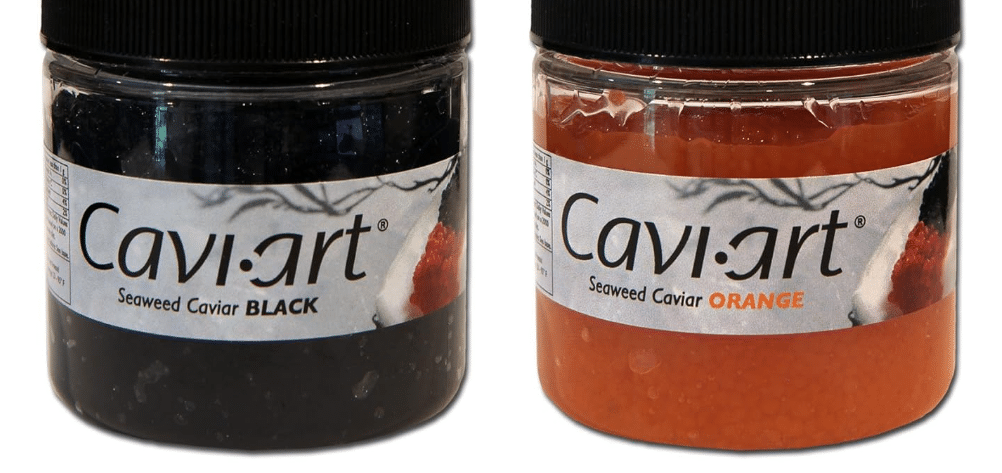
Another brand, Cavi-Art, offers seaweed-based “caviar” pearls designed to substitute for lumpfish, cod, or salmon roe. Their approach highlights long shelf life, vegan status, and sustainable production.
7. Consumer Buzz & Influencer Praise
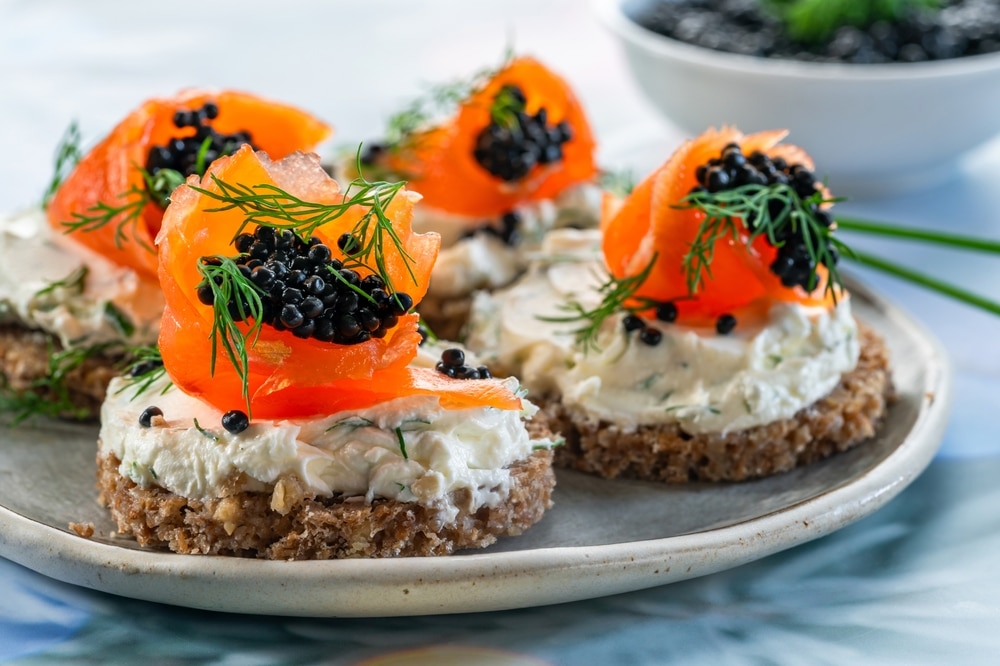
Vegan news outlets note Zeroe’s growing popularity, its shelf-stable format, and glowing reviews from food influencers.
8. Challenges of Imitation
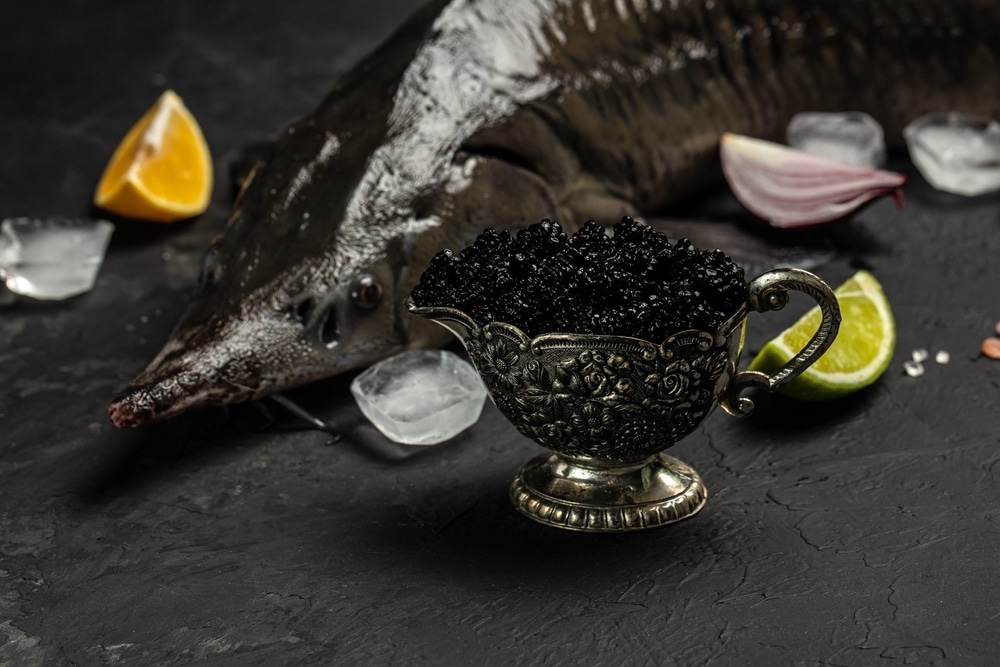
Replicating fish roe’s precise balance of taste, texture, aroma, and pop is extremely difficult. Maintaining that “burst” without synthetic additives is a major technical hurdle for plant-based alternatives.
9. Culinary Pairings & Use Cases

Zeroe is versatile: served on blinis, vegan sushi, crostini with creamy bases, or layered into canapés. Many testers describe it as lifting even the simplest dish into something gourmet.
10. Shelf Stability & Storage Edge
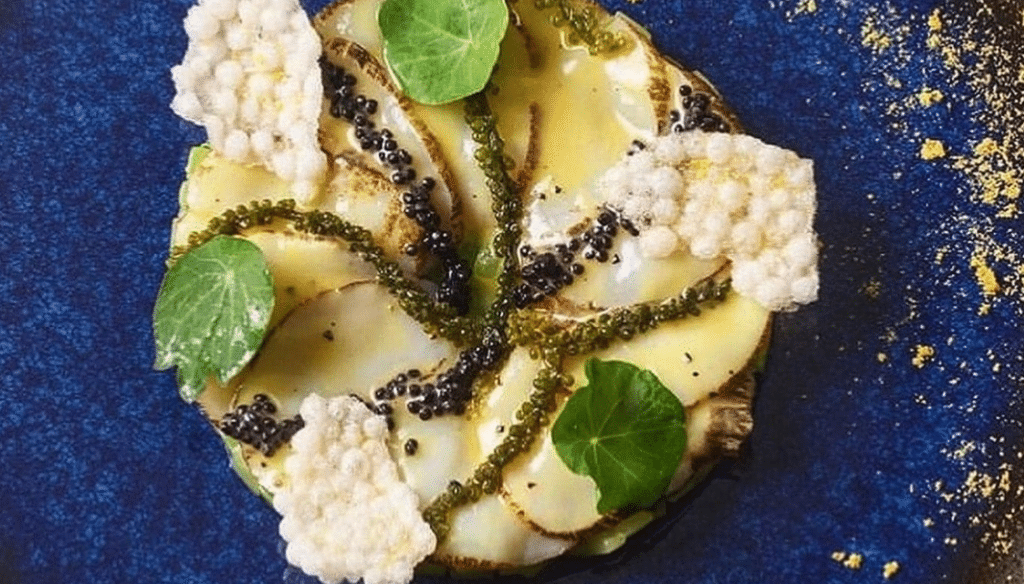
One advantage claimed by Zeroe is that, unlike fresh fish roe, its plant-based pearls are shelf-stable and less demanding in cold-chain logistics.
11. Color & Aesthetic Appeal

Part of the spectacle is visual: glossy black pearls look very much like real caviar, making them compelling garnishes for haute cuisine. Reviewers often emphasize the visual trick.
12. The Future of “Roe” – Innovation in the Pipeline
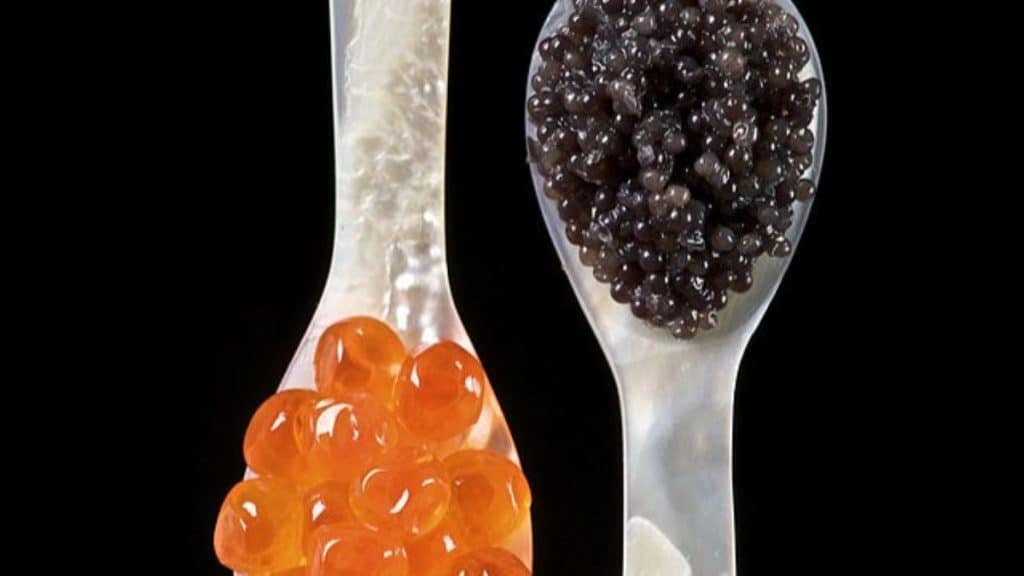
The success of Zeroe and similar seaweed “roes” may spur further innovation: flavor refinement, cost reductions, and scaling up production to challenge genuine fish-based caviar.
The rising interest suggests this is only the beginning of the plant-based luxury roe movement.