

“Best before,” “sell by,” and “use by” labels can be confusing, and for many foods, they’re about freshness rather than safety.
But for some items, eating them past expiration isn’t just about flavor, it’s about avoiding foodborne illness. Here are 10 foods you should never gamble with after they’ve gone past date.
Raw Fish: High-Risk Even When Cooked
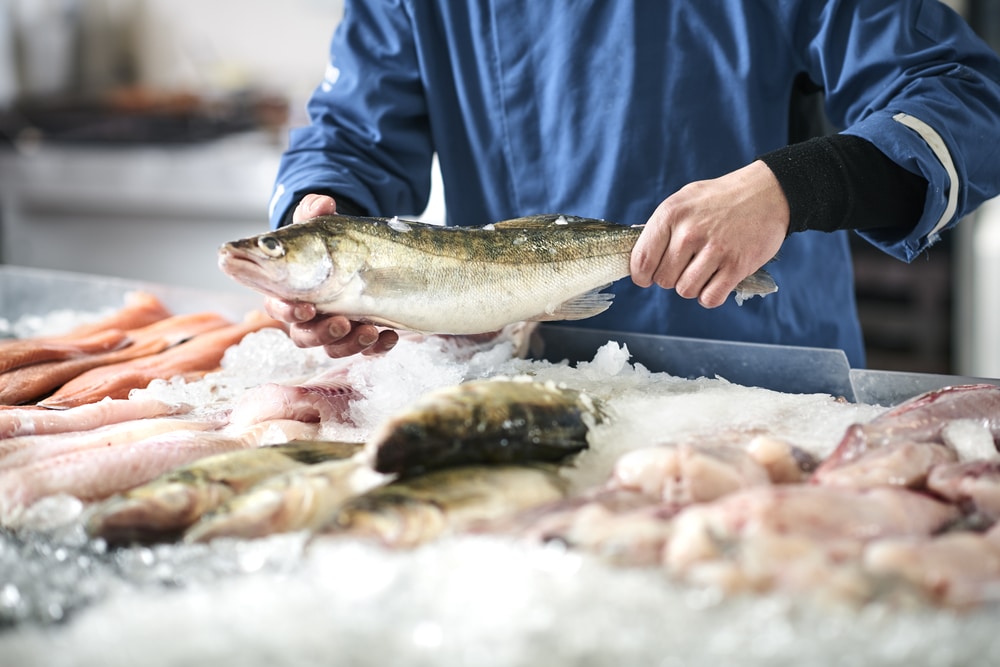
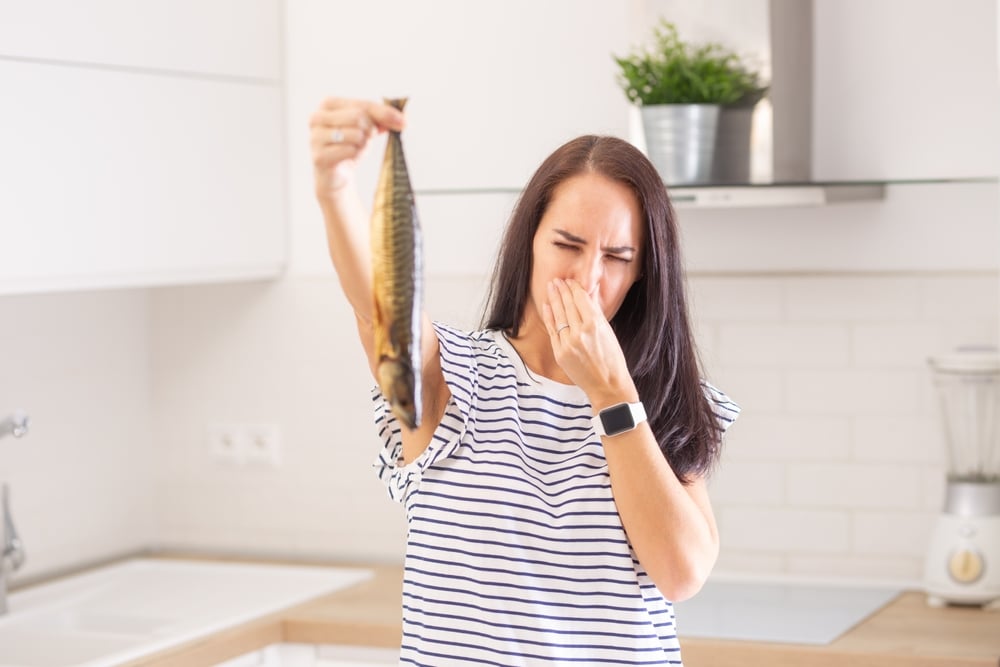
Raw or undercooked fish spoils rapidly and can harbor dangerous bacteria and parasites. If it smells “fishy,” sour, or ammonia-like, it’s unsafe. Buy fresh, use within 1–2 days, or freeze immediately.
Soft Cheeses: Mold Hides Easily
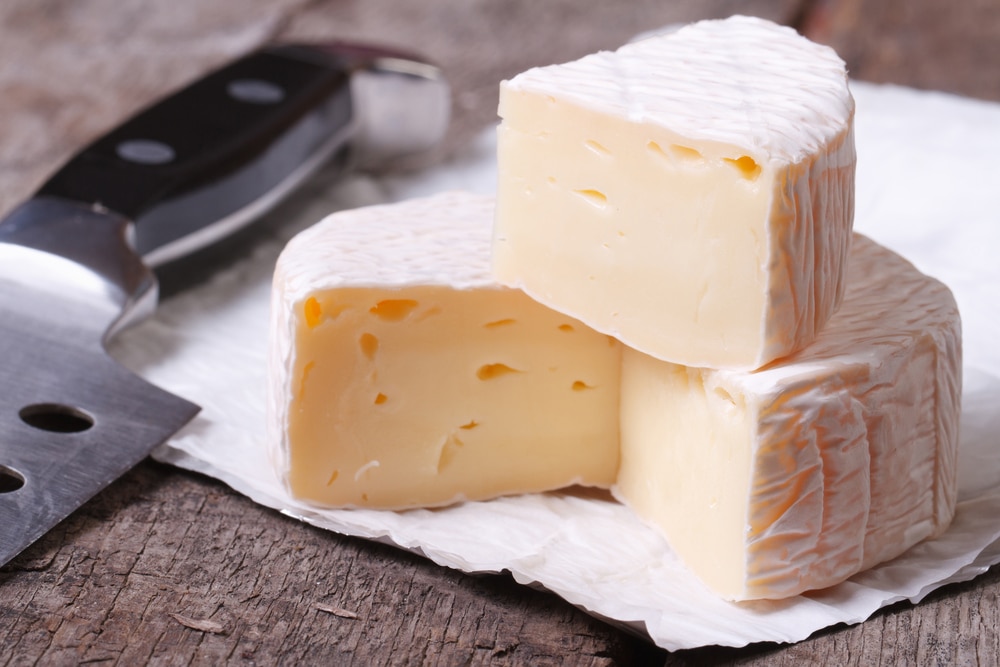
Unlike hard cheeses, mold in soft ones (think ricotta, brie, feta) spreads invisibly. They’re also prone to Listeria and E. coli. If they’re expired, fuzzy, or smell sour, they’re a no-go.
Shellfish: Zero Tolerance for Spoilage

Clams, mussels, and oysters must be extremely fresh. Once expired, they can produce toxins that cooking won’t destroy. If shells don’t close when tapped or the smell is strong, toss immediately.
Meat and Poultry: Bacteria Breeding Grounds

Ground beef, steak, and chicken are notorious for harboring salmonella, E. coli, and other bacteria when spoiled.
Signs include slimy texture, grayish discoloration, or sour odor. If meat smells off or feels sticky, it’s unsafe and don’t risk it.
Eggs: When in Doubt, Float It

Eggs sometimes outlast their carton date, but bad ones can carry salmonella. Use the float test: sink = fresh, float = spoiled. Also, toss immediately if you detect a sulfur smell when cracked.
Leafy Greens and Sprouts: Hidden Hazards
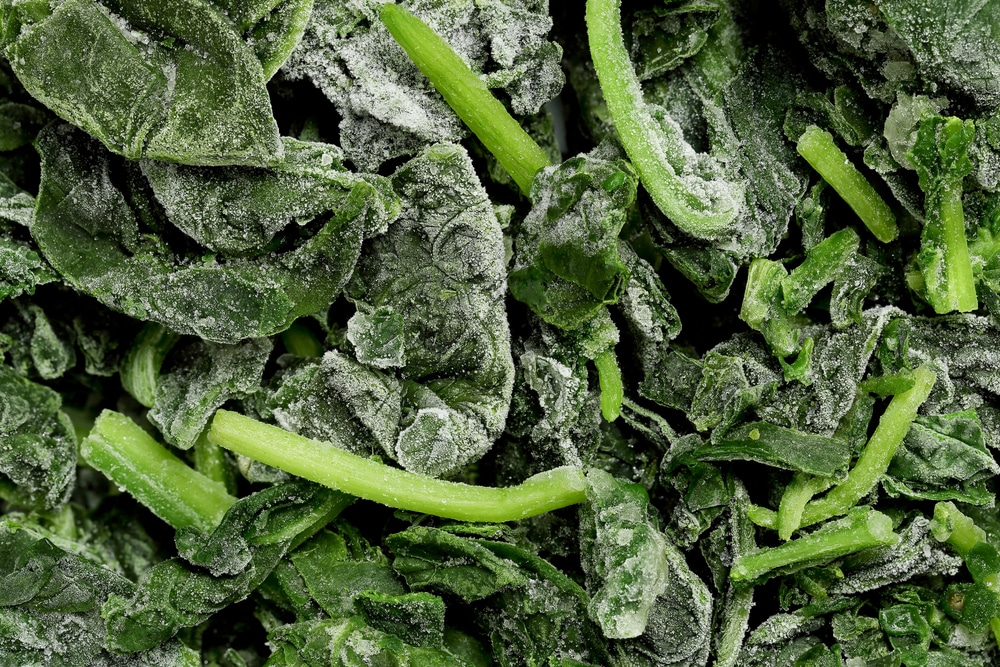
Greens wilt fast, and once slimy or past expiration, they can carry harmful bacteria like E. coli. Sprouts (like alfalfa or bean sprouts) are even riskier due to their damp growing conditions. Don’t eat them past date.
Infant Formula: Non-Negotiable
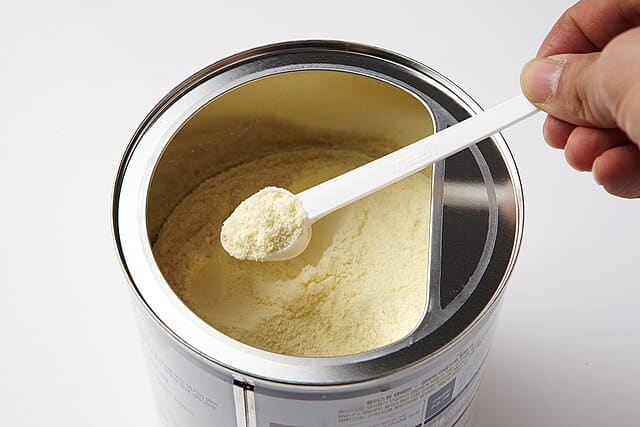
This one is strictly regulated. After expiration, nutrients in infant formula may degrade, and babies could miss out on essential nutrition.
Unlike other foods, there’s no wiggle room. Expired formula should always be discarded.
Nuts and Oils: Rancid and Harmful

Nuts and cooking oils don’t just taste bad when rancid, they produce harmful compounds as fats break down. A bitter or sour taste signals spoilage. Store in cool, dark places and never eat if the flavor is “off.”
Leftovers: A 3–4 Day Window

Takeout and cooked leftovers may seem fine past a few days, but bacteria multiply fast once food cools. The USDA recommends eating within 3–4 days. Anything older risks illness, even if reheated.
Deli Meats: Short Shelf Life

Cold cuts are moist and minimally preserved, making them a fast target for bacteria. Even refrigerated, they spoil quickly. Slimy texture or sour odor are clear signs it’s time to toss.