
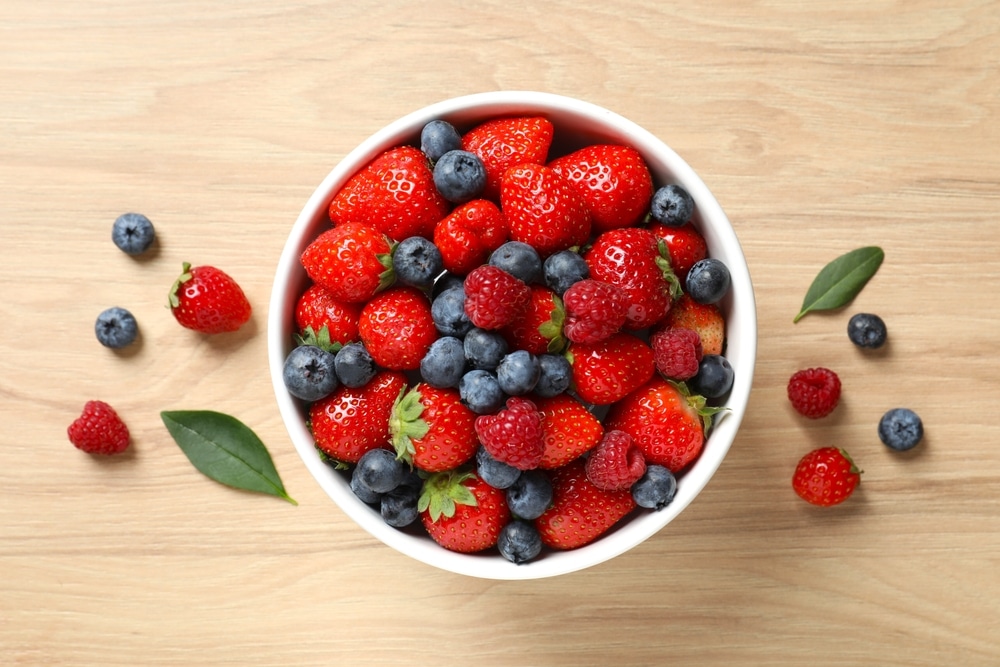

Fresh berries line supermarket shelves in vibrant pints, but frozen bags tucked in the freezer aisle may actually give you more for your money, your health, and your convenience.
Multiple sources confirms that frozen berries often preserve nutrients more effectively than fresh ones that have traveled long distances.
Here’s a breakdown of why frozen can sometimes be the better pick.
1. The Myth of “Fresh Is Always Better”
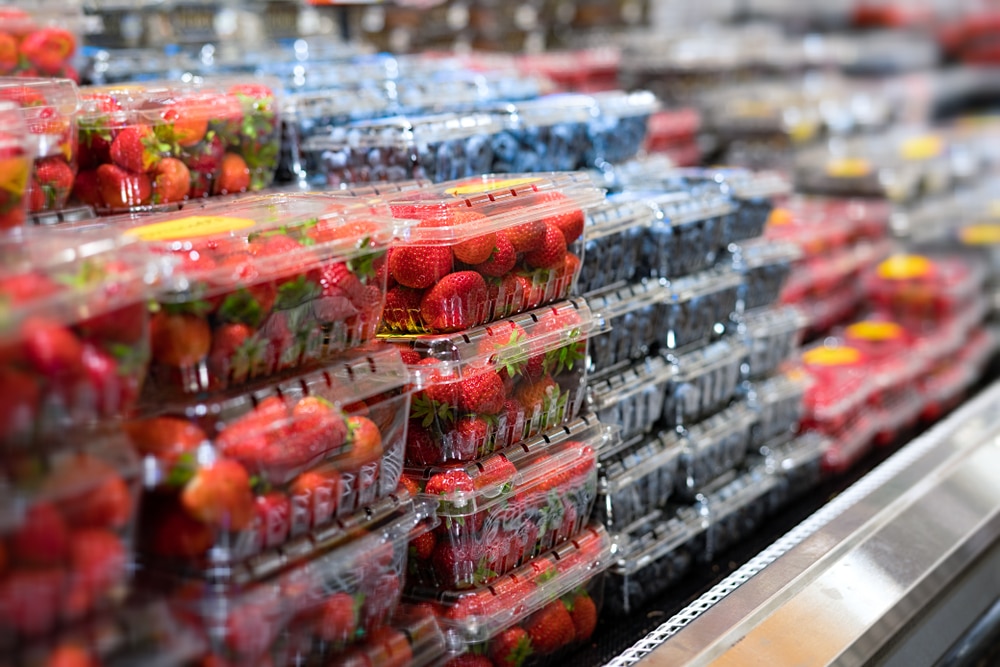
It’s easy to assume fresh berries are the healthiest option, but Harvard Health notes that “fresh” can be misleading when berries are picked before peak ripeness, then shipped and stored for days or weeks.
By the time you eat them, they may have already lost a significant portion of their nutrients.
Frozen berries, on the other hand, are picked at full ripeness and flash-frozen immediately, preserving both taste and nutrition.
2. Nutrients That Stay Locked In
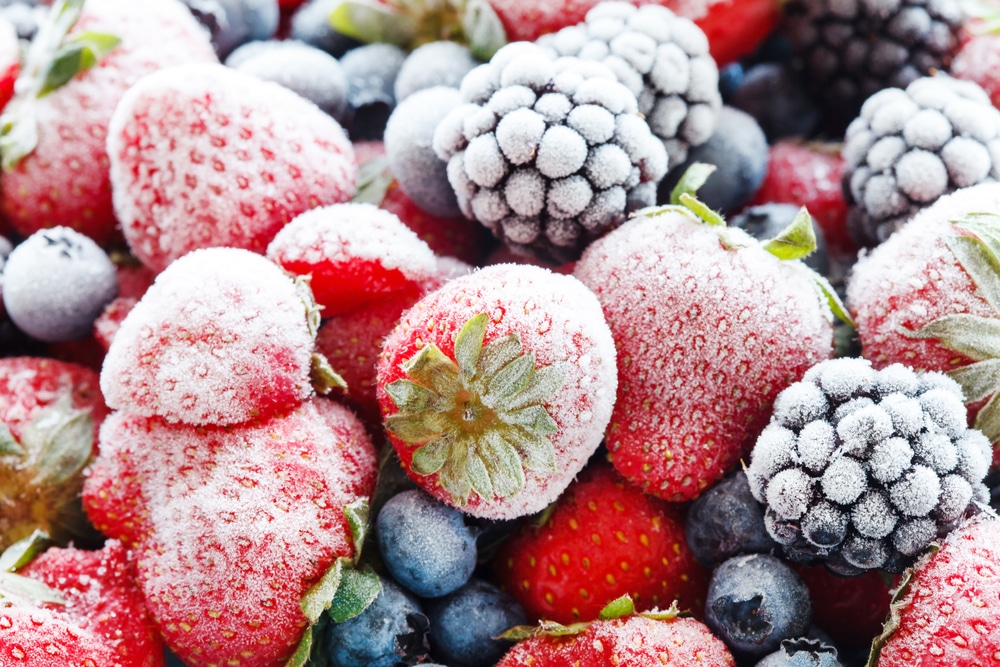
Martha Stewart’s food editors point out that frozen berries hold onto powerful antioxidants like anthocyanins and polyphenols, with only a small dip in vitamin C levels during freezing.
WebMD echoes this, adding that the vitamin content of frozen fruit is often equal to or better than out-of-season fresh fruit.
This makes frozen berries a reliable source of nutrients, especially when fresh ones are shipped from far away.
3. Ripeness and Antioxidants
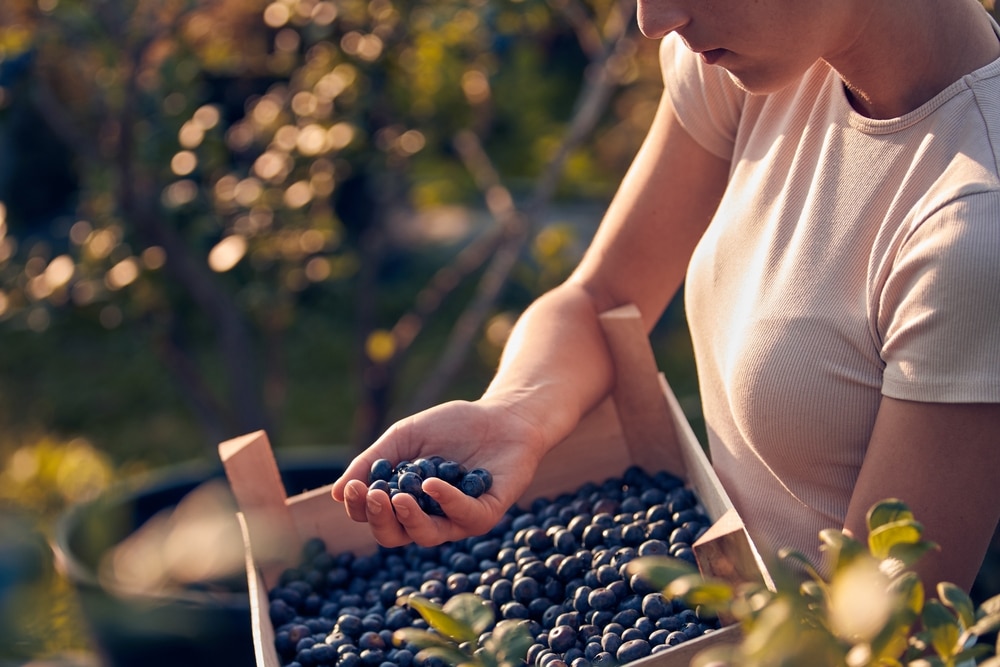
Harvard researchers emphasize that antioxidants are highest in fruits picked at their peak.
Because frozen berries are harvested ripe, they often deliver more of these compounds than “fresh” berries picked early for transport.
In short, frozen fruit often has more of the nutrients you’re actually buying berries for.
4. Texture vs. Function
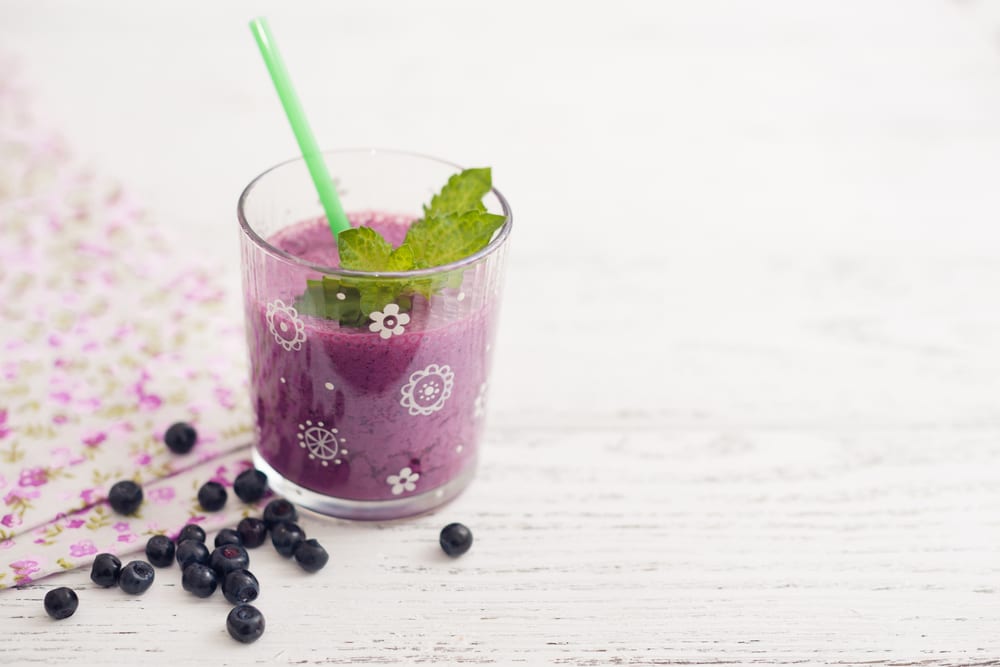
Martha Stewart acknowledges that frozen berries lose their firm, juicy bite when thawed. They won’t hold up in a salad, but they shine in smoothies, sauces, jams, or baked goods.
That softer texture doesn’t affect nutrition, just the way you use them.
5. Cost and Value

WebMD notes that frozen berries usually cost less than fresh, especially outside of peak season.
Because they don’t spoil as quickly, you’re less likely to waste them, making frozen a budget-friendly choice for families or anyone trying to stretch grocery dollars.
6. Year-Round Access
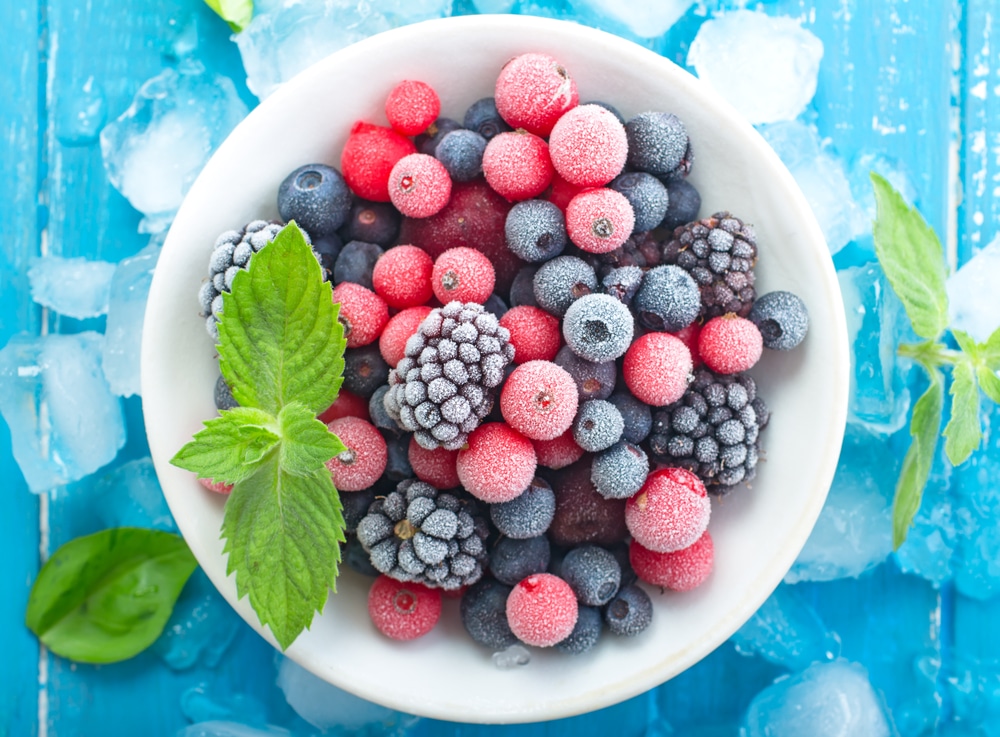
Martha Stewart highlights the seasonal nature of berries: strawberries in June, blueberries in July, raspberries in August.
Frozen berries let you bypass the calendar, making summer flavors available all year without a loss in key nutrients.
7. Sustainability Considerations
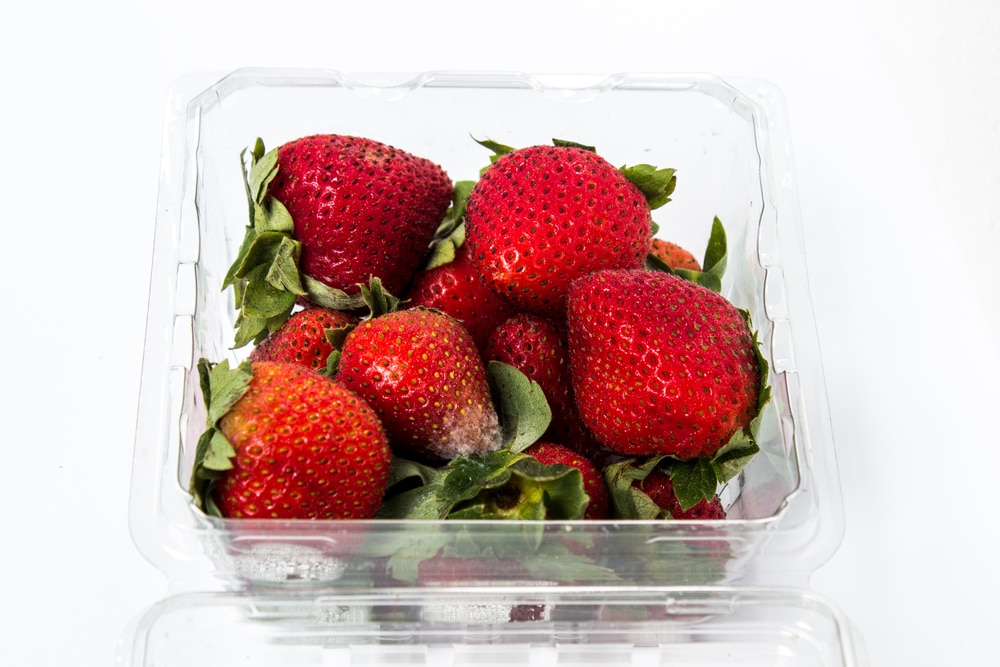
Frozen berries often use surplus harvests, which helps reduce food waste. However, they require continuous cold storage, which carries an energy cost.
Fresh berries don’t need freezing but often spoil quickly, leading to their own waste problem.
The trade-off comes down to how quickly you’ll eat them and how you plan to use them.
8. The Best Strategy
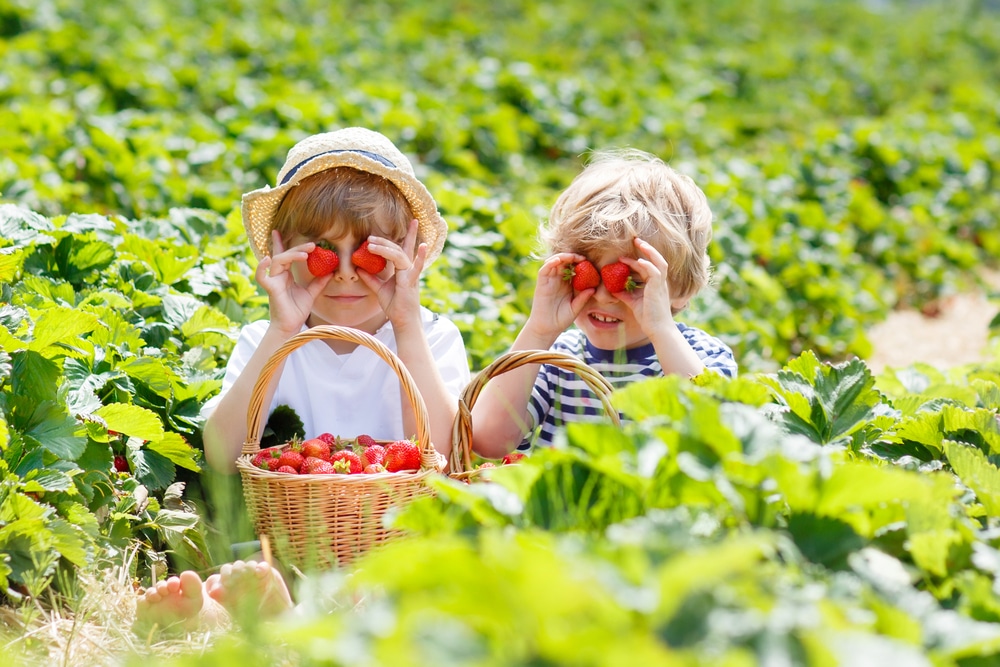
The experts agree: enjoy fresh, local berries when they’re in season and you can eat them quickly. For the rest of the year, frozen berries are the smarter, more reliable choice.
As Martha Stewart’s piece concludes; frozen fruit can be just as good, if not better, than fresh when nutrition, cost, and convenience all matter.