


Grocery prices can add up fast, but a few smart habits can make your budget go further. From skipping pre-cut produce to knowing store tricks, these tips will help you shop smarter, waste less, and keep more money in your pocket.
Don’t Shop Hungry
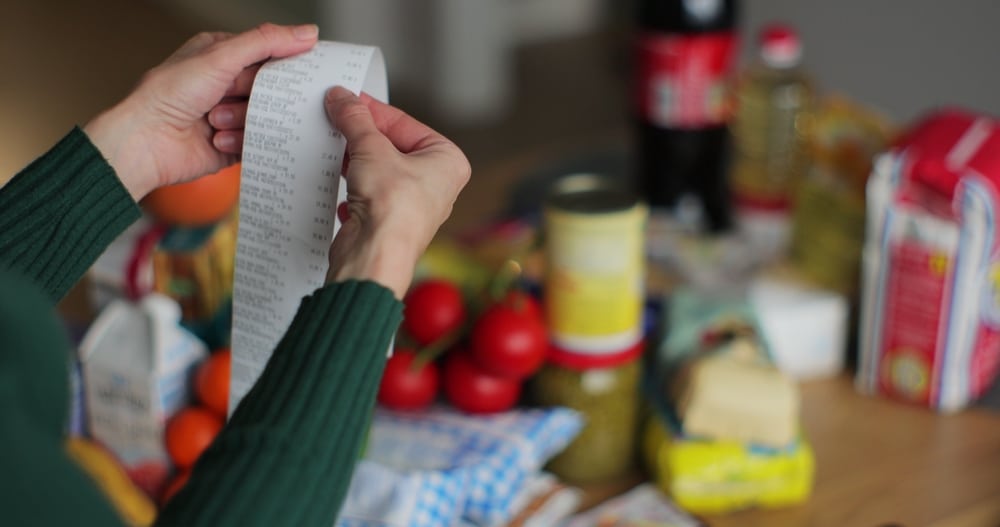
Walking into the store on an empty stomach is an easy way to overspend. Hunger makes every aisle look tempting, and stores know it.
Eat a snack before shopping to help you stick to your list and avoid impulse splurges.
Buy “Ugly” Veggies
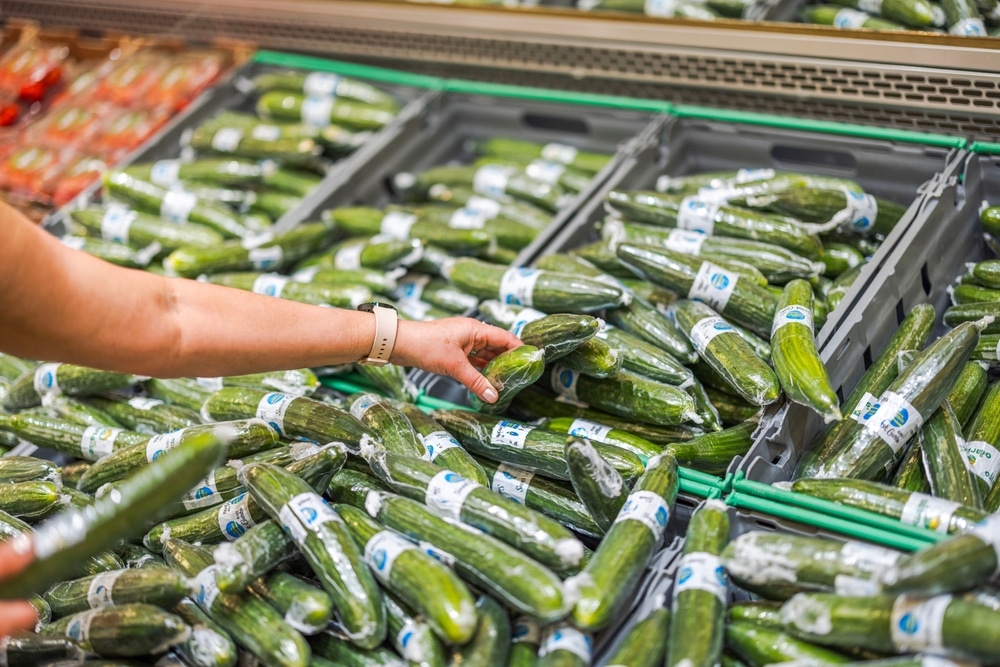
Crooked carrots, blemished apples, or lumpy peppers are often sold at a discount. They taste exactly the same as “perfect” produce but cost less. Bonus: buying them helps reduce food waste, too.
The Smell of Fresh Bread

That mouthwatering bakery aroma? Stores use it intentionally. The smell of fresh bread or cookies puts shoppers in a buying mood, even if you never planned on grabbing a pastry.
Check the Unit Price

Family-sized or bulk packs aren’t always the cheapest. Shelf labels usually include the price per unit; ounce, pound, or liter. Compare before you buy and make sure you’re actually getting the best deal.
Freeze Before You Toss
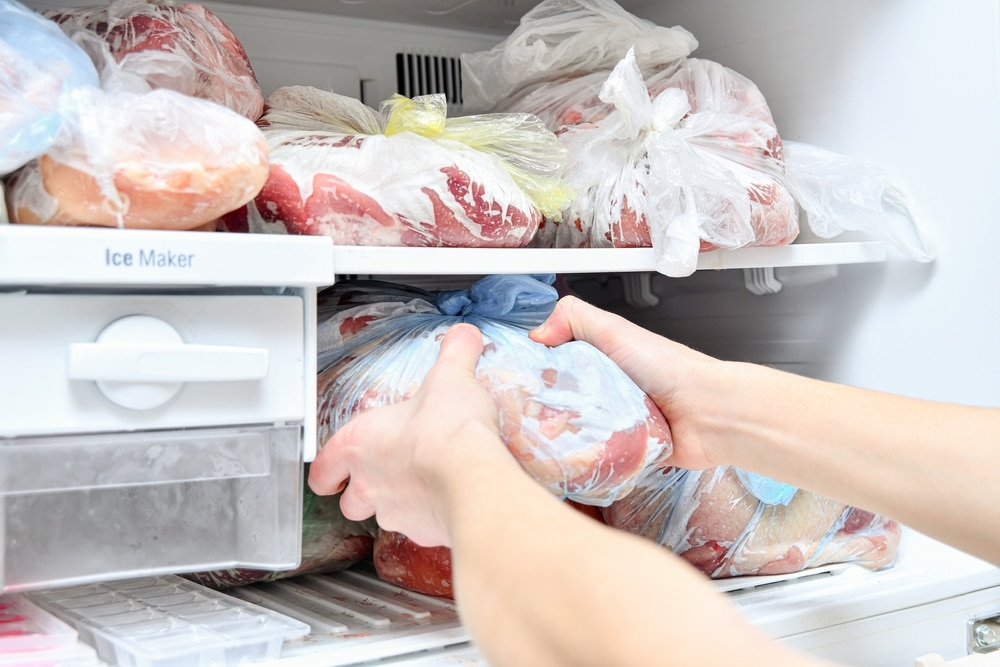
Bananas going brown? Bread about to stale? Cheese near its date? Pop them in the freezer. This simple habit keeps food out of the trash and stretches your grocery dollar.
Stick With Generic Brands
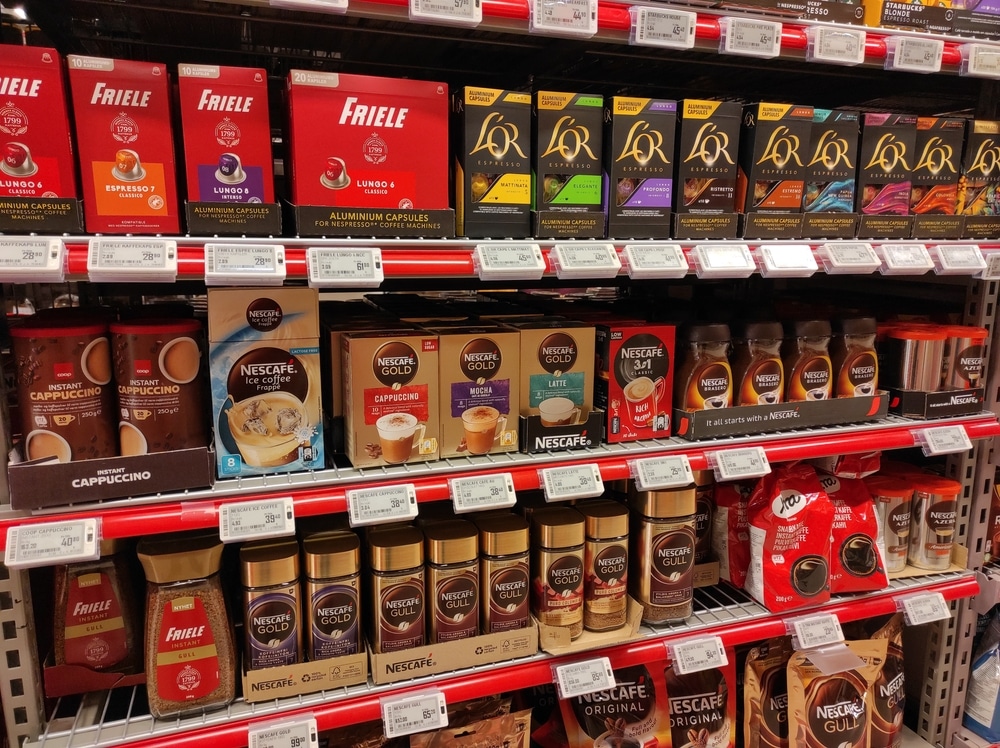
Store-brand versions of cereals, canned goods, or dairy are often made in the same factories as big-name labels. They’re usually just as tasty, but cost far less. Give them a try. You may never go back.
Music That Makes You Spend

Supermarkets carefully choose background music to slow you down. Softer tunes encourage lingering, which often leads to tossing extra items in your cart. Headphones or a podcast can help you stay focused.
Make a “Use Me First” Bin
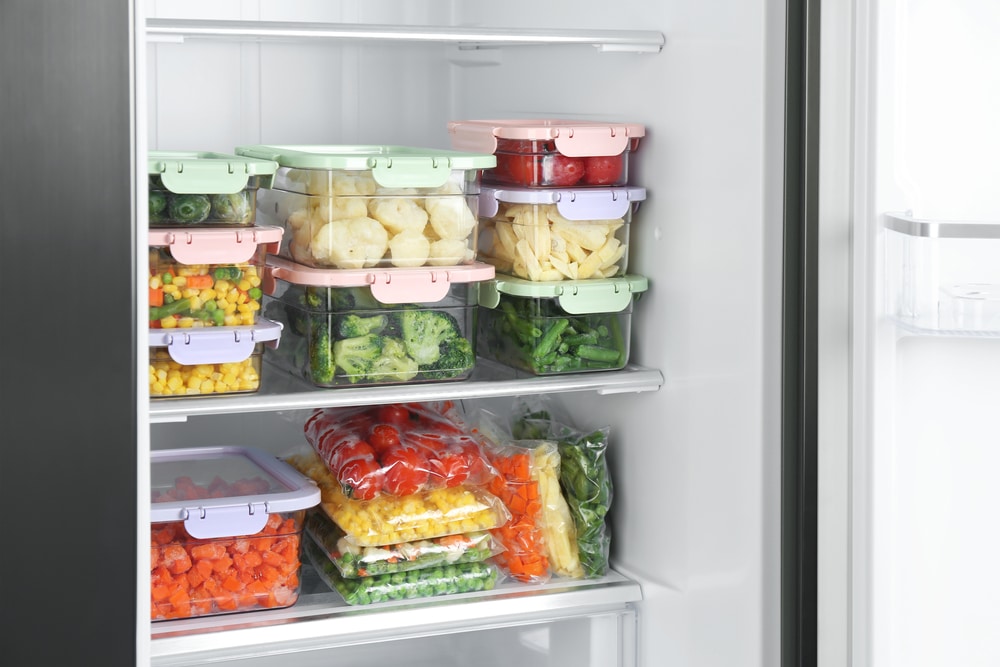
Set aside a clearly labeled bin in your fridge or pantry for items nearing expiration. Keeping them front and center is a reminder to use them before they spoil. Less waste equals more savings.
Shop Mid-Week

Wednesday is a sweet spot in many grocery stores. Shelves are restocked, weekly sales often overlap, and stores are less crowded. A mid-week trip can help you score bargains and a calmer shopping experience.
Skip Pre-Cut Produce

Those ready-to-go fruit cups or chopped veggie trays come with a hefty price tag. Buying whole produce saves money and often stays fresh longer. A few extra minutes of chopping is worth the savings.